In addition to the MTA mentioned above, other ATCC and/or regulatory permits may be required for the transfer of this ATCC material. Anyone purchasing ATCC material is ultimately responsible for obtaining the permits. Please click here for information regarding the specific requirements for shipment to your location.
This is a hypodiploid human cell line. The modal chromosome number was 45 occurring in 72% of cells counted. The rate of polyploid cells was 15.8%. All cells had monosomic N13 and the subclone with additional monosomic N15 predominates. Other coexisting subclones include those with 46,XX,-11,-13,i(11p),i(11q) and 46,XX,+11,-13 karyotypes. Both X chromosomes appear normal.
Comments:
Endothelial Cell Growth Supplement (ECGS) and unidentified factors from bovine pituitary, hypothalamus or whole brain extracts are mitogenic for this line. [23284] The cells have a life expectancy of 50 to 60 population doublings.
Propagation:
ATCC complete growth medium: The base medium for this cell line is ATCC-formulated of F-12K Medium, Catalog No. 30-2004. To make the complete growth medium, add the following components to the base medium: 0.1 mg/ml heparin; 0.03-0.05 mg/ml endothelial cell growth supplement (ECGS); adjust to a final concentration of 10% fetal bovine serum. Atmosphere: air, 95%; carbon dioxide (CO2), 5% Temperature: 37.0°C
Subculturing:
Protocol:
Remove and discard culture medium.
Briefly rinse the cell layer with 0.25% (w/v) Trypsin- 0.53 mM EDTA solution to remove all traces of serum which contains trypsin inhibitor.
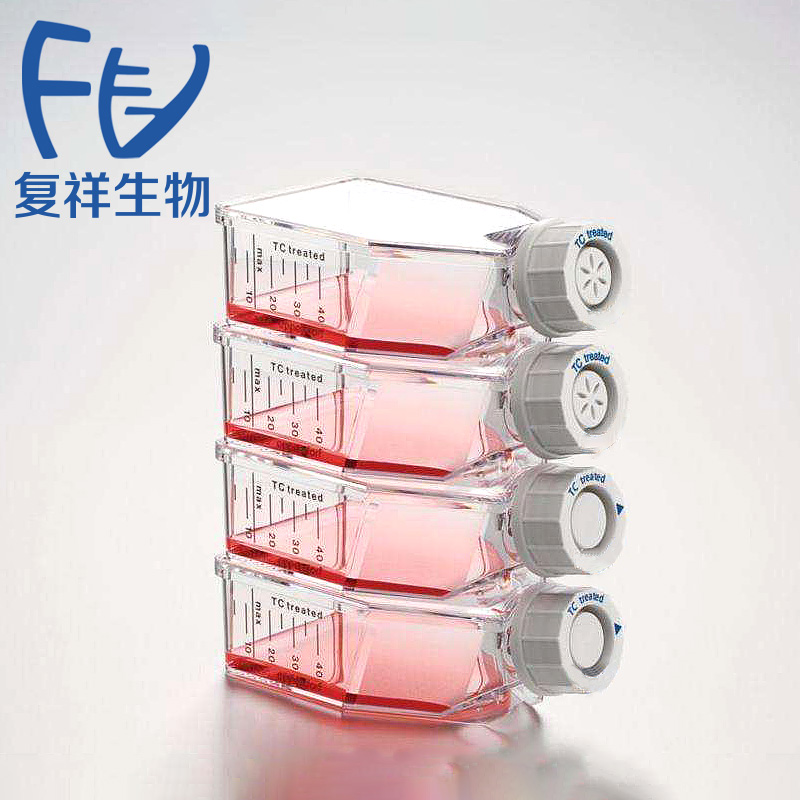
Add 2.0 to 3.0 ml of Trypsin-EDTA solution to flask and observe cells under an inverted microscope until cell layer is dispersed (usually within 5 to 15 minutes). Note: To avoid clumping do not agitate the cells by hitting or shaking the flask while waiting for the cells to detach. Cells that are difficult to detach may be placed at 37°C to facilitate dispersal.
Add 6.0 to 8.0 ml of complete growth medium and aspirate cells by gently pipetting.
Add appropriate aliquots of the cell suspension to new culture vessels.
Incubate cultures at 37°C.
Subcultivation Ratio: A subcultivation ratio of 1:2 to 1:3 is recommended Medium Renewal: Two to three times per week
Preservation:
Freeze medium: Complete growth medium supplemented with 5% (v/v) DMSO Storage temperature: liquid nitrogen vapor phase
Related Products:
Recommended medium (without the additional supplements or serum described under ATCC Medium):ATCC 30-2004 recommended serum:ATCC 30-2020
References:
23284: Hoshi H, McKeehan WL. Brain- and liver cell-derived factors are required for growth of human endothelial cells in serum-free culture. Proc. Natl. Acad. Sci. USA 81: 6413-6417, 1984. PubMed: 6333682 29192: Zahedi K. Characterization of the binding of serum amyloid P to laminin. J. Biol. Chem. 272: 2143-2148, 1997. PubMed: 8999915 33021: Soker S, et al. Characterization of novel vascular endothelial growth factor (VEGF) receptors on tumor cells that bind VEGF165 via its exon 7-endoded domain. J. Biol. Chem. 271: 5761-5767, 1996. PubMed: 8621443







 文献和实验
文献和实验 技术资料
技术资料
