

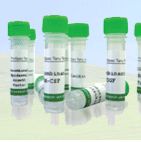
- ¥1080 - 20286
- Prospecbio
- 以色列
- cyt-1103
- 2026年02月04日

企业认证
相关产品推荐更多 >
万千商家帮你免费找货
0 人在求购买到急需产品
相关阅读
细胞污染识别与处理全攻略:5 种常见类型+关键误区Cytoscape 教程来了!快速实现顶刊同款通路网络图五大应用案例:Mustang Q 膜层析应用全解析1 个小工具,一次性搞定流程图、质粒图谱和信号通路图- 详细信息
- 文献和实验
- 技术资料
- 保存条件:
for future use below -18°C
- 保质期:
See instructions
- 英文名:
ANGPT2
- 库存:
部分小规格有备货
- 供应商:
上海经科化学科技有限公司
- CAS号:
无
- 规格:
2ug/10ug/100ug
| 规格: | 2ug | 产品价格: | ¥1080.0 |
|---|---|---|---|
| 规格: | 10ug | 产品价格: | ¥2415.0 |
| 规格: | 100ug | 产品价格: | ¥20286.0 |

CATALOGUE NUMBER
CYT-1103
SYNONYMS
Angiopoietin-2, Angiopoietin2, ANGPT2, ANG2, ANG-2, ANGPT-2.
INTRODUCTION
ANGPT2 aka Angiopoietin-2 competes for binding to the TIE2 receptor and blocks angiopoietin-1 aka ANGPT1 induced TIE2 autophosphorylation during vasculogenesis. ANGPT-2 is a naturally occurring antagonist of ANGPT-1. ANGPT2 induces tyrosine phosphorylation of TEK/TIE2 in the lack of Angiopoietin-2. In the deficiency of VEGF an angiogenic inducer, ANGPT-2 induces endothelial cell apoptosis resulting in vascular regression. ANGPT2 along with VEGF enable endothelial cell migration and proliferation, resulting in permissive angiogenic signal.
DESCRIPTION
ANGPT2 produced in Chinese hamster ovary (CHO) cells by recombinant DNA technology is a single, polypeptide chain (19-496 a.a.) and fused to a 6 aa His Tag at C-terminus containing a total of 484 amino acids and having a molecular mass of 55.7kDa.
ANGPT2 shows multiple bands between 50-100kDa on SDS-PAGE, reducing conditions and purified by proprietary chromatographic techniques.
SOURCE
Chinese Hamster Ovary Cells (CHO).
PHYSICAL APPEARANCE
Sterile filtered colorless solution.
FORMULATION
ANGPT2 protein solution (0.25mg/ml) contains Phosphate buffered saline (pH7.4) and 10% glycerol.
STABILITY
Store at 4°C if entire vial will be used within 2-4 weeks.
Store, frozen at -20°C for longer periods of time.
For long term storage it is recommended to add a carrier protein (0.1% HSA or BSA).
Avoid multiple freeze-thaw cycles.
PURITY
Greater than 90.0% as determined by SDS-PAGE.
SAFETY DATA SHEET
SDS
AMINO ACID SEQUENCE
YNNFRKSMDS IGKKQYQVQH GSCSYTFLLP EMDNCRSSSS PYVSNAVQRD APLEYDDSVQ
RLQVLENIME NNTQWLMKLE NYIQDNMKKEMVEIQQNAVQ NQTAVMIEIG TNLLNQTAEQ
TRKLTDVEAQ VLNQTTRLEL QLLEHSLSTN KLEKQILDQT SEINKLQDKN
SFLEKKVLAMEDKHIIQLQS IKEEKDQLQV LVSKQNSIIE ELEKKIVTAT VNNSVLQKQQ
HDLMETVNNL LTMMSTSNSA KDPTVAKEEQ ISFRDCAEVFKSGHTTNGIY TLTFPNSTEE
IKAYCDMEAG GGGWTIIQRR EDGSVDFQRT WKEYKVGFGN PSGEYWLGNE FVSQLTNQQR
YVLKIHLKDWEGNEAYSLYE HFYLSSEELN YRIHLKGLTG TAGKISSISQ PGNDFSTKDG
DNDKCICKCS QMLTGGWWFD ACGPSNLNGM YYPQRQNTNKFNGIKWYYWK GSGYSLKATT MMIRPADFHH HHHH
USAGE
BACKGROUND
Angiopoietin 2 Human Recombinant: Unraveling its Role in Angiogenesis and Implications for Therapeutic Interventions
Abstract
This research paper provides a comprehensive analysis of Angiopoietin 2 Human Recombinant (Ang-2), a critical protein involved in angiogenesis, the process of new blood vessel formation. By investigating its structural characteristics, intricate signaling mechanisms, diverse biological functions, and its implications in disease pathology, we shed light on the potential therapeutic applications of Ang-2 in angiogenesis-related disorders.
1. Introduction
Angiogenesis, the formation of new blood vessels from existing ones, is a complex and highly regulated process essential for various physiological and pathological conditions. Angiopoietin 2 (Ang-2), a member of the angiopoietin family, has emerged as a key modulator of angiogenesis, exerting context-dependent effects on endothelial cells and blood vessel remodeling. Understanding the molecular intricacies of Ang-2 is crucial for developing targeted therapeutic strategies for angiogenesis-related disorders.
2. Structural Characteristics of Ang-2
Ang-2 is a secreted glycoprotein composed of an N-terminal coiled-coil domain, a linker region, and a C-terminal fibrinogen-like domain. The unique structural features of Ang-2 enable its interaction with the endothelial-specific receptor Tie-2, initiating a complex signaling cascade that regulates angiogenic responses.
3. Signaling Mechanisms of Ang-2
Ang-2 functions as both a Tie-2 agonist and antagonist, depending on the local microenvironment and the presence of other angiogenic factors. Binding of Ang-2 to Tie-2 can lead to diverse downstream effects, including modulation of endothelial cell survival, proliferation, migration, and vascular permeability. The interplay between Ang-2 and other angiogenic factors tightly regulates angiogenesis.
4. Biological Functions of Ang-2
Ang-2 plays a multifaceted role in angiogenesis by influencing endothelial cell behavior and vascular remodeling. It promotes vessel destabilization and sprouting, facilitating endothelial cell migration and new vessel formation. Additionally, Ang-2 modulates vascular permeability and interacts with other signaling pathways involved in angiogenic processes.
5. Implications of Ang-2 in Disease Pathology
Dysregulation of Ang-2 expression and signaling has been associated with numerous pathological conditions, including cancer, chronic inflammation, and cardiovascular diseases. Elevated Ang-2 levels are often observed in these disorders, contributing to abnormal blood vessel growth, tumor progression, and tissue damage.
BACKGROUND
6. Therapeutic Implications of Ang-2
Given its critical role in angiogenesis and its involvement in various disease states, Ang-2 represents a promising target for therapeutic interventions. Strategies aimed at modulating Ang-2 signaling, such as the development of neutralizing antibodies or small molecule inhibitors, hold great potential for managing angiogenesis-related disorders and improving patient outcomes.
7. Conclusion and Future Perspectives
Our understanding of Ang-2 and its multifaceted involvement in angiogenesis has advanced significantly. However, further research is required to elucidate the complex interplay between Ang-2 and other angiogenic factors, as well as to explore the potential of Ang-2-targeted therapies. Continued investigations will pave the way for the development of innovative treatment approaches for angiogenesis-related disorders, ultimately improving patient care.
风险提示:丁香通仅作为第三方平台,为商家信息发布提供平台空间。用户咨询产品时请注意保护个人信息及财产安全,合理判断,谨慎选购商品,商家和用户对交易行为负责。对于医疗器械类产品,请先查证核实企业经营资质和医疗器械产品注册证情况。
 文献和实验
文献和实验ANGPT2 aka Angiopoietin-2 competes for binding to the TIE2 receptor and blocks angiopoietin-1 aka ANGPT1 induced TIE2 autophosphorylation during vasculogenesis. ANGPT-2 is a naturally occurring antagonist of ANGPT-1. ANGPT2 induces tyrosine phosphorylation of TEK/TIE2 in the lack of Angiopoietin-2. In the deficiency of VEGF an angiogenic inducer, ANGPT-2 induces endothelial cell apoptosis resulting in vascular regression. ANGPT2 along with VEGF enable endothelial cell migration and proliferation, resulting in permissive angiogenic signal.
Construction of Recombinant Human Cytomegalovirus
The use of reverse genetics to generate recombinant viruses allows the researcher to investigate the exact functional significance of particular viral genes during the virus life cycle, by means of their deletion or modification in the viral
Delivery of Recombinant Adenoviruses to Human Saphenous Vein
The human saphenous vein is the most commonly used conduit for coronary artery bypass grafting owing to its ready availability, ease of harvesting, and favorable surgical handling (1 ). However, it suffers from a progressive decline
Recombinant Genetic Libraries and Human Monoclonal Antibodies
In order to comprehensively manipulate the human proteome we require a vast repertoire of pharmacological reagents. To address these needs we have developed repertoires of synthetic antibodies by phage display, where diversified
 技术资料
技术资料
