

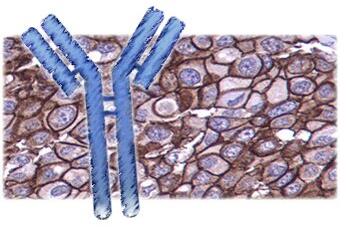
- ¥2980
- LMAI Bio
- LM-6270R-FITC
- 中国/美国/欧洲
- 2025年07月15日
- IF=1:50-200
- Human, Mouse, Rat, Chicken, Dog, Cow, Rabbit,
- Human, Mouse, Rat, Chicken, Dog, Cow, Rabbit,

企业认证
相关产品推荐更多 >

万千商家帮你免费找货
0 人在求购买到急需产品
- 详细信息
- 文献和实验
- 技术资料
- 供应商:
上海联迈生物工程有限公司
- 库存:
大量
- 靶点:
详见说明书
- 级别:
1
- 目录编号:
LM-6270R-FITC
- 克隆性:
多克隆
- 抗原来源:
Rabbit
- 保质期:
1年
- 抗体英文名:
Anti-Ret/FITC
- 抗体名:
Anti-Ret/FITC
- 标记物:
FITC标记
- 宿主:
Human, Mouse, Rat, Chicken, Dog, Cow, Rabbit,
- 适应物种:
Human, Mouse, Rat, Chicken, Dog, Cow, Rabbit,
- 免疫原:
详见说明书
- 亚型:
IGg
- 形态:
粉末、液体、冻干粉
- 应用范围:
IF=1:50-200
- 浓度:
1mg/ml
- 保存条件:
-20 °C
- 规格:
100ul
| 英文名称 | Anti-Ret/FITC |
| 中文名称 | FITC标记的RET原癌基因抗体 |
| 别 名 | Ret Proto-Oncogene; Cadherin-Related Family Member 16; Rearranged During Transfection; RET Receptor Tyrosine Kinase; Cadherin Family Member 12; Proto-Oncogene C-Ret; EC 2.7.10.1; CDHF12; CDHR16; RET51; PTC; Ret Proto-Oncogene (Multiple Endocrine Neoplasia And Medullary Thyroid Carcinoma 1, Hirschsprung Disease) ; Multiple Endocrine Neoplasia And Medullary Thyroid Carcinoma 1; Proto-Oncogene Tyrosine-Protein Kinase Receptor Ret; Hydroxyaryl-Protein Kinase; RET Transforming Sequence; Receptor Tyrosine Kinase; Hirschsprung Disease 1; Oncogene RET; EC 2.7.10; RET-ELE1; MEN2B; HSCR1; |
| 规格价格 | 100ul/2980元 购买 大包装/询价 |
| 说 明 书 | 100ul |
| 研究领域 | 肿瘤 信号转导 生长因子和激素 激酶和磷酸酶 |
| 抗体来源 | Rabbit |
| 克隆类型 | Polyclonal |
| 交叉反应 | Human, Mouse, Rat, Chicken, Dog, Cow, Rabbit, |
| 产品应用 | IF=1:50-200 not yet tested in other applications. optimal dilutions/concentrations should be determined by the end user. |
| 分 子 量 | 124kDa |
| 性 状 | Lyophilized or Liquid |
| 浓 度 | 1mg/ml |
| 免 疫 原 | KLH conjugated synthetic peptide derived from human Ret/HSCR1 |
| 亚 型 | IgG |
| 纯化方法 | affinity purified by Protein A |
| 储 存 液 | 0.01M TBS(pH7.4) with 1% BSA, 0.03% Proclin300 and 50% Glycerol. |
| 保存条件 | Store at -20 °C for one year. Avoid repeated freeze/thaw cycles. The lyophilized antibody is stable at room temperature for at least one month and for greater than a year when kept at -20°C. When reconstituted in sterile pH 7.4 0.01M PBS or diluent of antibody the antibody is stable for at least two weeks at 2-4 °C. |
| 产品介绍 | background: This gene, a member of the cadherin superfamily, encodes one of the receptor tyrosine kinases, which are cell-surface molecules that transduce signals for cell growth and differentiation. This gene plays a crucial role in neural crest development, and it can undergo oncogenic activation in vivo and in vitro by cytogenetic rearrangement. Mutations in this gene are associated with the disorders multiple endocrine neoplasia, type IIA, multiple endocrine neoplasia, type IIB, Hirschsprung disease, and medullary thyroid carcinoma. Two transcript variants encoding different isoforms have been found for this gene. Additional transcript variants have been described but their biological validity has not been confirmed. [provided by RefSeq, Jul 2008] Function: Receptor tyrosine-protein kinase involved in numerous cellular mechanisms including cell proliferation, neuronal navigation, cell migration, and cell differentiation upon binding with glial cell derived neurotrophic factor family ligands. Phosphorylates PTK2/FAK1. Regulates both cell death/survival balance and positional information. Required for the molecular mechanisms orchestration during intestine organogenesis; involved in the development of enteric nervous system and renal organogenesis during embryonic life, and promotes the formation of Peyer's patch-like structures, a major component of the gut-associated lymphoid tissue. Modulates cell adhesion via its cleavage by caspase in sympathetic neurons and mediates cell migration in an integrin (e.g. ITGB1 and ITGB3)-dependent manner. Involved in the development of the neural crest. Active in the absence of ligand, triggering apoptosis through a mechanism that requires receptor intracellular caspase cleavage. Acts as a dependence receptor; in the presence of the ligand GDNF in somatotrophs (within pituitary), promotes survival and down regulates growth hormone (GH) production, but triggers apoptosis in absence of GDNF. Regulates nociceptor survival and size. Triggers the differentiation of rapidly adapting (RA) mechanoreceptors. Mediator of several diseases such as neuroendocrine cancers; these diseases are characterized by aberrant integrins-regulated cell migration. Subunit: Phosphorylated form interacts with the PBT domain of DOK2, DOK4 and DOK5. The phosphorylated form interacts with PLCG1 and GRB7. Interacts (not phosphorylated) with CC PTK2/FAK1 (via FERM domain). Extracellular cell-membrane anchored RET cadherin fragments form complex in neurons with reduced trophic status, preferentially at the contact sites between somas. Interacts with AIP in the pituitary gland; this interaction prevents the formation of the AIP-survivin complex. Binds to ARTN. Interacts (inactive) with CBLC and CD2AP; dissociates upon activation by GDNF which increases CBLC:CD2AP interaction. Subcellular Location: Cell membrane; Single-pass type I membrane protein; Endosome membrane; Post-translational modifications: Autophosphorylated on C-terminal tyrosine residues upon ligand stimulation. Dephosphorylated by PTPRJ on Tyr-905, Tyr-1015 and Tyr-1062.5 Publications Proteolytically cleaved by caspase-3. The soluble RET kinase fragment is able to induce cell death. The extracellular cell-membrane anchored RET cadherin fragment accelerates cell adhesion in sympathetic neurons. DISEASE: Defects in RET may be a cause of colorectal cancer (CRC) [MIM:114500]. Defects in RET are a cause of Hirschsprung disease type 1 (HSCR1) [MIM:142623]. HSCR1 is a disorder of neural crest development characterized by the absence of intramural ganglion cells in the myenteric and submucosal plexuses of the gastrointestinal tract, often resulting in intestinal obstruction. Total colonic aganglionosis and total intestinal Hirschsprung disease also occur. Occasionally, MEN2A or FMTC occur in association with HSCR1. Defects in RET are the cause of medullary thyroid carcinoma (MTC) [MIM:155240]. MTC is a rare tumor derived from the C cells of the thyroid. Three hereditary forms are known, that are transmitted in an autosomal dominant fashion: (a) multiple neoplasia type 2A (MEN2A), (b) multiple neoplasia type IIB (MEN2B) and (c) familial MTC (FMTC), which occurs in 25-30% of MTC cases and where MTC is the only clinical manifestation. Defects in RET are the cause of multiple neoplasia type 2B (MEN2B) [MIM:162300]. MEN2B is an uncommon inherited cancer syndrome characterized by predisposition to MTC and phaeochromocytoma which is associated with marfanoid habitus, mucosal neuromas, skeletal and ophtalmic abnormalities, and ganglioneuromas of the intestine tract. Then the disease progresses rapidly with the development of metastatic MTC and a pheochromocytome in 50% of cases. Defects in RET are a cause of susceptibility to pheochromocytoma (PCC) [MIM:171300]. A catecholamine-producing tumor of chromaffin tissue of the adrenal medulla or sympathetic paraganglia. The cardinal symptom, reflecting the increased secretion of epinephrine and norepinephrine, is hypertension, which may be persistent or intermittent. Defects in RET are the cause of multiple neoplasia type 2A (MEN2A) [MIM:171400]; also known as multiple neoplasia type 2 (MEN2). MEN2A is the most frequent form of medullary thyroid cancer (MTC). It is an inherited cancer syndrome characterized by MTC, phaeochromocytoma and/or hyperparathyroidism. Defects in RET are a cause of thyroid papillary carcinoma (TPC) [MIM:188550]. TPC is a common tumor of the thyroid that typically arises as an irregular, solid or cystic mass from otherwise normal thyroid tissue. Papillary carcinomas are malignant neoplasm characterized by the formation of numerous, irregular, finger-like projections of fibrous stroma that is covered with a surface layer of neoplastic epithelial cells. Note=Chromosomal aberrations involving RET are found in thyroid papillary carcinomas. Inversion inv(10)(q11.2;q21) generates the RET/CCDC6 (PTC1) oncogene; inversion inv(10)(q11.2;q11.2) generates the RET/NCOA4 (PTC3) oncogene; translocation t(10;14)(q11;q32) with GOLGA5 generates the RET/GOLGA5 (PTC5) oncogene; translocation t(8;10)(p21.3;q11.2) with PCM1 generates the PCM1/RET fusion; translocation t(6;10)(p21.3;q11.2) with RFP generates the Delta RFP/RET oncogene; translocation t(1;10)(p13;q11) with TRIM33 generates the TRIM33/RET (PTC7) oncogene; translocation t(7;10)(q32;q11) with TRIM24/TIF1 generates the TRIM24/RET (PTC6) oncogene. The PTC5 oncogene has been found in 2 cases of PACT in children exposed to radioactive fallout after Chernobyl. A chromosomal aberration involving TRIM27/RFP is found in thyroid papillary carcinomas. Translocation t(6;10)(p21.3;q11.2) with RET. The translocation generates TRIM27/RET and delta TRIM27/RET oncogenes. Defects in RET are a cause of renal adysplasia (RADYS) [MIM:191830]; also known as renal agenesis or renal aplasia. Renal agenesis refers to the absence of one (unilateral) or both (bilateral) kidneys at birth. Bilateral renal agenesis belongs to a group of perinatally lethal renal diseases, including severe bilateral renal dysplasia, unilateral renal agenesis with contralateral dysplasia and severe obstructive uropathy. Defects in RET are a cause of congenital central hypoventilation syndrome (CCHS) [MIM:209880]; also known as congenital failure of autonomic control or Ondine curse. CCHS is a rare disorder characterized by abnormal control of respiration in the absence of neuromuscular or lung disease, or an identifiable brain stem lesion. A deficiency in autonomic control of respiration results in inadequate or negligible ventilatory and arousal responses to hypercapnia and hypoxemia. Similarity: Belongs to the protein kinase superfamily. Tyr protein kinase family. Contains 1 cadherin domain. Contains 1 protein kinase domain. Database links: Entrez Gene: 5979 Human Entrez Gene: 19713 Mouse Entrez Gene: 24716 Rat Omim: 164761 Human SwissProt: P07949 Human SwissProt: P35546 Mouse SwissProt: G3V9H8 Rat Unigene: 350321 Human Unigene: 57199 Mouse Important Note: This product as supplied is intended for research use only, not for use in human, therapeutic or diagnostic applications. |
风险提示:丁香通仅作为第三方平台,为商家信息发布提供平台空间。用户咨询产品时请注意保护个人信息及财产安全,合理判断,谨慎选购商品,商家和用户对交易行为负责。对于医疗器械类产品,请先查证核实企业经营资质和医疗器械产品注册证情况。
 文献和实验
文献和实验脂肪燃烧的指令从哪里来?Nature 揭示神经免疫互作如何与
脂肪和 MSCs 中均观察到了 Gdnf 的表达降低。此外,在纯化的 MSCs 中刺激 ADRB2 可导致 MSCs 来源的 Gdnf 增加,PDGFRA 阳性的内脏脂肪细胞与 GDNF 在空间上也存在共定位。图片来源:Nature前期的研究表明,GDNF 家族配体及其受体 GFRα 能够激活神经系统、肾脏和造血细胞亚群中的酪氨酸激酶受体 RET。研究人员也在内脏脂肪 ILC2s 中观察到较高水平的 RET。为了研究这种受体酪氨酸激酶在脂肪 ILC2s 中的作用,他们特异删除了造血细胞中的 Ret,结果发现
化的情况,但不能对甲基化的CpG位点进行定位。 2.1.2 SssI 甲基转移酶法[22] SssI甲基转移酶能够催化DNA的CpG位点发生甲基化。3H-S-腺苷甲硫氨酸(3H-SAM)在SssI甲基转移酶催化作用使基因组DNA的CpG位点发生甲基化。通过测定剩余的放射性标记的SAM即可得到原基因组整体甲基化水平,即测到的放射性强度与所测DNA甲基化水平成反比。这种方法的缺点是所使用的SssI甲基转移酶不稳定,致结果不够精确。 2.1.3 免疫化学法[23] 这种方法是基于单克隆抗体能够与5mC发生
年,美国斯坦福大学 John D. Altman 博士等人开发出 MHC-抗原肽复合物四聚体(简称:MHC 四聚体)技术。该技术由 4 个 MHC-抗原肽单体分子及荧光染料组成的复合物,它以带有信号标记的链霉亲合素为基础,交联四个 MHC 分子单体,形成 MHC 四聚体;一个 MHC 四聚体分子可与同一 T 细胞表面的 3-4 个 TCR 相识别并结合,从而大大增强了 MHC-抗原肽复合物与 TCR 之间的结合力和检测特异性,并可通过流式细胞术成功实现对抗原特异性的 T 细胞的离体分析。如今
 技术资料
技术资料暂无技术资料 索取技术资料

