

- ¥600 - 2000
- ATCC
- XY-XB-2316
- 中国/美国
- 2026年07月31日

9 年钻石会员
企业认证
相关产品推荐更多 >
万千商家帮你免费找货
0 人在求购买到急需产品
相关阅读
香烟烟雾如何加速声带纤维化?CD44-透明质酸轴是关键通路Takara 秋促来袭,提取+反转录+定量套装仅 1200 元abinScience 体内级抗体 全年锁价 低至 ¥1200阿拉丁 22万+ 科研级产品现货速发,品质严控、科研无忧- 详细信息
- 文献和实验
- 技术资料
- 库存:
100
- 细胞类型:
科研
- 品系:
详情请咨询我司客服
- 组织来源:
详情请咨询我司客服
- 物种来源:
鼠/人/其它
- 细胞形态:
上皮样/成纤维样/其它
- 器官来源:
详情请咨询我司客服
- 运输方式:
常温运输/干冰运输
- 年限:
详情请咨询我司客服
- 生长状态:
贴壁/悬浮
- 英文名:
JEG-3-VP16-TNFa
TNFa转染耐VP16绒癌细胞_JEG-3-VP16-TNFa购买须知:
产品简介:
[品系] ……………………Human
[组织来源]………………详情请咨询
[生长状态]………………贴壁/悬浮
[细胞类型]………………详情请咨询
[疾病] ……………………正常
[应用] ……………………科研
生物安全:
不含有 HIV-1、 HBV、HCV、支原体、细菌、酵母和真菌等。
产品包装:
提供新鲜或者冻存的细胞
使用方法:
如是新鲜细胞,客户收到细胞后应立即将其放入CO2细胞培养箱内静置3-4个小时,再进行后续的实验操作;如是冻存细胞, 客户收到细胞后应立即将其放入液氮、-80℃冰箱或立即进行复苏。
细胞培养 :
(1)Getting Started with an ATCC Cell Line:
ATCC cell lines and hybridomas are shipped frozen on dry ice in cryopreservation vials or as growing
cultures in flasks at ambient temperature. Upon receipt of frozen cells, it is important to immediately revive
them by thawing and removing the DMSO and placing them into culture. If this is not possible, store the
cells in liquid nitrogen vapor (below −130°C). Do not store frozen cells at temperatures above −130°C as
their viability will decline rapidly.
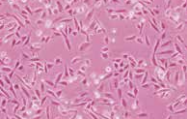
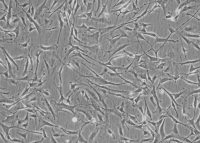
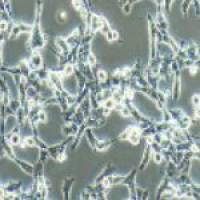
(2)细胞图片:

(3)Initiating Frozen Cultures:
1. Prepare a culture vessel so that it contains the recommended volume
of the appropriate culture medium as listed on the Product Sheet,
equilibrated for temperature and pH (CO₂).
2. Thaw the vial by gentle agitation in a water bath at 37°C or the normal growth temperature for that cell
line. Thawing should be rapid, approximately 2 minutes or until ice crystals have melted.
3. Remove the vial from the water bath and decontaminate it by dipping in or spraying with 70% ethanol.
Follow strict aseptic conditions in a laminar flow tissue culture hood for all further manipulations.
4. Unscrew the top of the vial and transfer the contents to a sterile
centrifuge tube containing 9 mL of the recommended medium.
Remove the cryoprotectant agent (DMSO) by gentle centrifugation (10
minutes at 125 × g). Discard the supernatant, and resuspend the cells
in 1 or 2 mL of complete growth medium. Transfer the cell suspension
into the culture vessel containing the complete growth medium and
mix thoroughly by gentle rocking.
Some ATCC cell, are shipped as growing cultures in culture vessels. These vessels are seeded with cells,
incubated to ensure cell growth and then filled completely with medium for shipping.
Upon receiving a flask culture, visually examine the medium for macroscopic evidence of microbial contamination. This includes
unusual pH shifts (yellow or purple color from the phenol red),
turbidity, or particles. With an inverted microscope at low power
(100×) check the medium for evidence of microbial contamination
as well as the morphology of the cells. See page 6 for more details
on examining cell cultures.
质量可靠,售后有保障
如运输过程中导致细胞污染或者死亡,我们将无条件补发收货后十个工作日内有其他问题提供照片可半价重发
TNFa转染耐VP16绒癌细胞_JEG-3-VP16-TNFa相关产品:
产品简介:
[品系] ……………………Human
[组织来源]………………详情请咨询
[生长状态]………………贴壁/悬浮
[细胞类型]………………详情请咨询
[疾病] ……………………正常
[应用] ……………………科研
生物安全:
不含有 HIV-1、 HBV、HCV、支原体、细菌、酵母和真菌等。
产品包装:
提供新鲜或者冻存的细胞
使用方法:
如是新鲜细胞,客户收到细胞后应立即将其放入CO2细胞培养箱内静置3-4个小时,再进行后续的实验操作;如是冻存细胞, 客户收到细胞后应立即将其放入液氮、-80℃冰箱或立即进行复苏。
细胞培养 :
(1)Getting Started with an ATCC Cell Line:
ATCC cell lines and hybridomas are shipped frozen on dry ice in cryopreservation vials or as growing
cultures in flasks at ambient temperature. Upon receipt of frozen cells, it is important to immediately revive
them by thawing and removing the DMSO and placing them into culture. If this is not possible, store the
cells in liquid nitrogen vapor (below −130°C). Do not store frozen cells at temperatures above −130°C as
their viability will decline rapidly.
(2)细胞图片:
(3)Initiating Frozen Cultures:
1. Prepare a culture vessel so that it contains the recommended volume
of the appropriate culture medium as listed on the Product Sheet,
equilibrated for temperature and pH (CO₂).
2. Thaw the vial by gentle agitation in a water bath at 37°C or the normal growth temperature for that cell
line. Thawing should be rapid, approximately 2 minutes or until ice crystals have melted.
3. Remove the vial from the water bath and decontaminate it by dipping in or spraying with 70% ethanol.
Follow strict aseptic conditions in a laminar flow tissue culture hood for all further manipulations.
4. Unscrew the top of the vial and transfer the contents to a sterile
centrifuge tube containing 9 mL of the recommended medium.
Remove the cryoprotectant agent (DMSO) by gentle centrifugation (10
minutes at 125 × g). Discard the supernatant, and resuspend the cells
in 1 or 2 mL of complete growth medium. Transfer the cell suspension
into the culture vessel containing the complete growth medium and
mix thoroughly by gentle rocking.
- Examine the cell cultures after 24 hours and subculture as needed.
Some ATCC cell, are shipped as growing cultures in culture vessels. These vessels are seeded with cells,
incubated to ensure cell growth and then filled completely with medium for shipping.
Upon receiving a flask culture, visually examine the medium for macroscopic evidence of microbial contamination. This includes
unusual pH shifts (yellow or purple color from the phenol red),
turbidity, or particles. With an inverted microscope at low power
(100×) check the medium for evidence of microbial contamination
as well as the morphology of the cells. See page 6 for more details
on examining cell cultures.
质量可靠,售后有保障
如运输过程中导致细胞污染或者死亡,我们将无条件补发收货后十个工作日内有其他问题提供照片可半价重发
TNFa转染耐VP16绒癌细胞_JEG-3-VP16-TNFa相关产品:
| Hce-8693(盲肠腺癌细胞(未分化)) |
| HEL299(红白细胞白血病细胞) |
| CW-2(结肠腺癌细胞) |
| A-375 [A375](恶性黑色素瘤细胞) |
| COLO-320(结肠腺癌细胞) |
| A172(胶质母细胞瘤细胞) |
| SW480 [SW-480](结肠癌细胞) |
| SHG-44(胶质瘤细胞) |
| Caco-2(结肠腺癌细胞) |
| Caco-2(结肠腺癌细胞) |
| U251(胶质瘤细胞) |
| LS 174T(结肠腺癌细胞) |
| SK-N-MC(神经上皮瘤细胞) |
| SK-N-MC(神经上皮瘤细胞) |
| BxPC-3(原位胰腺腺癌细胞) |
| BxPC-3(原位胰腺腺癌细胞) |
风险提示:丁香通仅作为第三方平台,为商家信息发布提供平台空间。用户咨询产品时请注意保护个人信息及财产安全,合理判断,谨慎选购商品,商家和用户对交易行为负责。对于医疗器械类产品,请先查证核实企业经营资质和医疗器械产品注册证情况。
 文献和实验
文献和实验相关实验
VP16耐药株JEG-3/VP16-IL-2 人绒癌细胞VP16耐药株IL-2转染JEG-3/VP16-TNFa 人绒癌细胞VP16耐药株TNFa转染Jurkat D,E 人T淋巴瘤细胞转基因细胞(B类)Jurkat E6-1 人T细胞淋巴瘤Jurkat77 人T淋巴瘤细胞亚系 K562 人红白血病细胞 KB 人口腔上皮癌 LNCaP 人前列腺癌 LoVo 人结肠癌 M17 人神经母细胞瘤 M2 待查 MCF7 人乳腺癌细胞 MCF7B 人乳
 技术资料
技术资料暂无技术资料 索取技术资料
TNFa转染耐VP16绒癌细胞_JEG-3-VP16-TNFa
¥600 - 2000

