

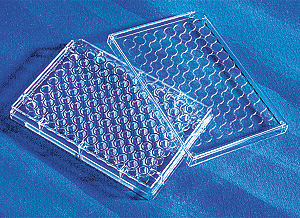
- ¥4625
- thermo
- 碱性磷酸酶活性染料
- A14353
- 2026年01月25日

企业认证
相关产品推荐更多 >



万千商家帮你免费找货
0 人在求购买到急需产品
- 详细信息
- 询价记录
- 文献和实验
- 技术资料
- 英文名:
碱性磷酸酶活性染料
- CAS号:
A14353
- 库存:
A14353
- 供应商:
研卉生物
- 规格:
50ul
碱性磷酸酶活性染料是一款干细胞成像产品,允许使用者对多能干细胞(PSC)进行区别性染色。该染料是碱性磷酸酶(alkaline phosphatase,AP)一种荧光底物,具有细胞渗透性,对细胞无毒性,两个小时即完成扩散。碱性磷酸酶活性染料由 DMSO 中的 50 µL 500X 荧光素染料组成,足够用于染色两块 24 孔板、四块 6 cm 培养皿或两块 10 cm 培养皿。
该碱性磷酸酶活性染料能够让您:
• 识别多能干细胞,具有高于背景荧光的强荧光信号
• 通常在 20 分钟或更短时间内就能完成 PSC 染色
• 使用第一种市售的能维持细胞活力的碱性磷酸酶染色剂
碱性磷酸酶多能干细胞检测方法
AP 是 PSC 的表型标志物,包括未分化的胚胎干细胞 (ESC)、诱导多能干细胞 (iPSC) 和胚胎生殖细胞 (EGC)。AP 在大多数细胞类型中都有表达,但在 PSC 中其表达量大幅增加。因此,AP 染色可用于区别性染色 PSC,以便轻松将其与用作饲养层的小鼠胚胎成纤维细胞 (MEF) 和通常用于重编程实验的亲代成纤维细胞进行区分。
在不牺牲珍贵的集落的情况下进行多能性筛选
碱性磷酸酶活性染料能够维持干细胞活力,是在重编程工作流程早期筛选集落的理想选择。它也可以在后期用作阴性选择工具,用于识别未分化细胞。
细胞快速染色
碱性磷酸酶活性染料使用一种简单、非永久性、保持细胞活力的方案来识别您的实验中的 PSC。只需将染料稀释在培养基中,涂抹于细胞,轻轻清洗,细胞即可用于荧光成像。
仅供研究使用。不可用于诊断程序。
规格
风险提示:丁香通仅作为第三方平台,为商家信息发布提供平台空间。用户咨询产品时请注意保护个人信息及财产安全,合理判断,谨慎选购商品,商家和用户对交易行为负责。对于医疗器械类产品,请先查证核实企业经营资质和医疗器械产品注册证情况。
- 作者
- 内容
- 询问日期
 文献和实验
文献和实验
Characterization of pluripotent stem cells is required for the registration of stem cell lines and allows for an impartial and objective comparison of the results obtained when generating multiple lines. It is therefore crucial to establish specific, fast and reliable protocols to detect the hallmarks of pluripotency. Such protocols should include immunocytochemistry (takes 2 d), identification of the three germ layers in in vitro-derived embryoid bodies by immunocytochemistry (immunodetection takes 3 d) and detection of differentiation markers in in vivo-generated teratomas by immunohistochemistry (differentiation marker detection takes 4 d). Standardization of the immunodetection protocols used ensures minimum variations owing to the source, the animal species, the endogenous fluorescence or the inability to collect large amounts of cells, thereby yielding results as fast as possible w
Lung epithelial cells play critical roles in initiating and modulating immune responses during pulmonary infection or injury. To better understand the spectrum of immune response-related proteins present in lung epithelial cells, we developed an improved method of isolating highly pure primary murine alveolar type (AT) II cells and murine tracheal epithelial cells (mTECs) using negative selection for a variety of lineage markers and positive selection for epithelial cell adhesion molecule (EpCAM), a pan-epithelial cell marker. This method yielded 2-3?×?10(6) ATII cells/mouse lung and 1-2?×?10(4) mTECs/trachea that were highly pure (>98%) and viable (>98%). Using these preparations, we found that both ATII cells and mTECs expressed the Lyn tyrosine
一、实验目的 1.掌握酶分离纯化的一般步骤及相关原理; 2.悉碱性磷酸酶的分离纯化的方法步骤。 二、实验原理 有机溶剂分级沉淀是分离蛋白质的常用方法之一。有机溶剂能使许多溶于水的酌生物大分子发生沉淀,其主要作用是降低水溶液的介电常数。例如20℃时水的介电常数为80,82%的乙醇溶液的介电常数为40。溶液的介电常数降低意味着溶质分子间异性电荷库仑引力增加,从而使溶质的溶解度降低
高。如果有相同的抗原决定簇时,则会有交叉反应。方法成熟,使用广泛的还是经典的组织化学方法。下面以碱性磷酸酶的显示方法来学习经典酶组织化学的理论及操作。经典酶组织化学不是显示酶本身,常采用的方法是:在一定条件下,使细胞中的酶作用于酶的底物,使其产物在原地进行捕捉、沉淀转化为有色产物。碱性磷酸酶(AKP)的显示方法最早由Gomeri(1939)提出,现在这种方法称为Gomeri法。碱性磷酸酶是指磷酸单酯酶Ⅰ,它能在pH8.6~10.0的最适条件下分解磷酸单酯,对于与磷酸相接的醇基没有特异性,Gomeri法
碱性磷酸酶检验参考范围及临床意义: 英文缩写:ALP; 正常参考值:30-115IU/L ; 医|学教育网临床意义:增高常见于肝癌,肝硬化,阻塞性黄疸,急慢性黄疸型肝炎,骨细胞瘤,骨折及少年儿童。


