


- ¥120
- KA&M BIO
- QMPM0436
- 圻明细胞库
- 2025年07月11日

企业认证
相关产品推荐更多 >
万千商家帮你免费找货
0 人在求购买到急需产品
相关阅读
细胞污染识别与处理全攻略:5 种常见类型+关键误区Cytoscape 教程来了!快速实现顶刊同款通路网络图五大应用案例:Mustang Q 膜层析应用全解析1 个小工具,一次性搞定流程图、质粒图谱和信号通路图- 详细信息
- 文献和实验
- 技术资料
- 库存:
999
- 规格:
T25
MEM(不含酚红、L-谷氨酰胺)现货供应,
细胞在培养瓶中培养至良好状态后灌满完全培养液并封好瓶口是细胞运输的最好办法。收到细胞回到自己的实验室后,先打开外包装,用75%酒精喷洒整个瓶消毒后放到超净台内,严格无菌操作,培养箱静置2-4小时。镜下观察:未超过80%汇合度时,可将瓶装的完全培养液移入废液缸中,加入6ml新鲜完全培养基,放入37℃、5%CO2孵箱培养;超过80%汇合度时,根据情况传代或者冻存,具体操作见细胞培养步骤。(注意发货的是密封培养瓶的话,放入培养箱培养记得培养瓶盖子拧松)
After the cells have been cultured in a flask to a good state, filling the entire culture medium and sealing the bottle mouth is the best way to transport the cells. After receiving the cells and returning to their own laboratory, the outer packaging was opened, the whole bottle was sprayed with 75% alcohol for sterilization, and then placed in the clean table, strictly aseptic operation, and the incubator stood for 2-4 hours. Microscopic observation: when the confluence does not exceed 80%, the bottled complete culture can be transferred into the waste tank, 6ml of fresh complete medium can be added, and placed in a 37°C, 5% CO2 incubator for culture; When the confluency exceeds 80%, passaging or cryopreservation, according to the situation, see the cell culture steps for specific operations. (Note that if the flask is sealed, remember to loosen the lid of the flask when you put it in the incubator)
MEM(不含酚红、L-谷氨酰胺)培养步骤
1)复苏细胞:将含有1mL细胞悬液的冻存管在37℃水浴中迅速摇晃解冻,加入5mL培养基混合均匀。在1000RPM条件下离心5分钟,弃去上清液,补加4-6mL完全培养基后吹匀。然后将所有细胞悬液加入培养瓶中培养过夜(或将细胞悬液加入6cm皿中),培养过夜。第二天换液并检查细胞密度;
2)细胞传代:如果细胞密度达80%-90%,即可进行传代培养
1、对于贴壁细胞,传代可参考以下方法:
1. 弃去培养上清,用不含钙、镁离子的PBS润洗细胞1-2次。
2. 加1-2ml消化液(0.25%Trypsin-0.53mM EDTA)于培养瓶中,置于37℃培养箱中消化1-2min,然后在显微镜下观察细胞消化情况,若细胞大部分变圆并脱落,迅速拿回操作台,轻敲几下培养瓶后加5ml以上含10%血清的完全培养基终止消化。
3.轻轻吹打细胞,完全脱落后吸出,在1000RPM条件下离心8-10分钟,弃去上清液,补加1-2mL培养液后吹匀。
4. 按5-6ml/瓶补加培养液,将细胞悬液按1:2到1:5的比例分到新的含5-6 ml培养液的新皿中或者瓶中。
PS:若客户收到2ml小管细胞,收到细胞后,用75%酒精喷洒整个管子消毒后放到超净台或安全柜内,严格无菌操作;将小管细胞转移至T25培养瓶或6cm培养皿,加入5ml左右完全培养基混匀,放入培养箱过夜培养后查看细胞密度:若密度未超过80%,换液继续培养,视情况传代或者冻存。若密度超过80%,可直接进行传代(方法同上)。
1) Thaw cells: Shake the cryovial containing 1 mL of cell suspension in a 37 °C water bath and add 5 mL of medium to mix well. Centrifuge at 1000 RPM for 5 min, discard the supernatant, add 4-6 mL of complete medium and blow well. Then add all cell suspensions to the flask and incubate overnight (or add the cell suspension to a 6 cm dish) and incubate overnight. The next day, feed and check cell density;
2) Cell passaging: If the cell density reaches 80%-90%, subculture can be performed
1. For adherent cells, the following methods can be referred to for passaging:
Discard the culture supernatant and rinse the cells 1-2 times with PBS without calcium and magnesium ions.
2. Add 1-2ml of digestion solution (0.25% Trypsin-0.53mM EDTA) to the culture flask, put it in a 37°C incubator for digestion for 1-2min, and then observe the cell digestion under the microscope, if most of the cells become round and fall off, quickly take it back to the operating table, and add more than 5ml of complete medium containing 10% serum to terminate the digestion after a few taps of the culture flask.
3. Gently pipette the cells, aspirate after they are completely detached, centrifuge at 1000RPM for 8-10 minutes, discard the supernatant, add 1-2mL of culture medium and blow well.
4. Add the culture medium at a rate of 5-6 ml/bottle, and divide the cell suspension into a new dish or bottle containing 5-6 ml of culture medium in a ratio of 1:2 to 1:5.
PS: If the customer receives 2ml of tubular cells, after receiving the cells, spray the entire tube with 75% alcohol to disinfect and put it in the ultra-clean table or safety cabinet, and strictly aseptic operation; Transfer the tubular cells to a T25 flask or 6cm dish, add about 5ml of complete medium to mix well, put it in the incubator overnight and check the cell density: if the density does not exceed 80%, change the liquid and continue to culture, passage or cryopreservation as appropriate. If the density exceeds 80%, it can be passaged directly (method as above).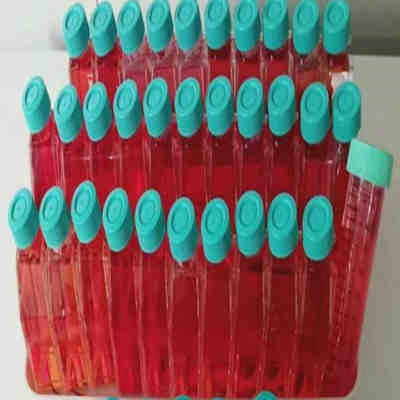
风险提示:丁香通仅作为第三方平台,为商家信息发布提供平台空间。用户咨询产品时请注意保护个人信息及财产安全,合理判断,谨慎选购商品,商家和用户对交易行为负责。对于医疗器械类产品,请先查证核实企业经营资质和医疗器械产品注册证情况。
 文献和实验
文献和实验方法主要有两种,高压除菌及0.22um微孔滤膜过滤除菌。与过滤相比,高压灭菌的工作强度小,成本较低,但易造成营养成分的流失,而且在多次加样(无菌谷氨酰胺溶液,无菌碳酸氢钠溶液等)过程中容易造成二次污染。大多数培养基采用0.1~0.2μm孔径的微孔滤膜进行过滤灭菌,并且已成为培养基除菌的发展方向,它可低限度地减少培养基的营养损失。 4.1 高压灭菌 某些培养基(如MEM)可进行高压灭菌,例如清大天一的MEM培养基中的MD605、MD609等。这类培养基一般不含有L-谷氨酰胺和碳酸氢钠,一般是在培养
相关专题 1.如何选用培养基? 培养某一类型细胞没有固定的培养条件。在MEM中培养的细胞,很可能在DMEM或M199中同样很容易生长。总之,首选MEM做粘附细胞培养 、RPMI-1640做悬浮细胞培养,各种目的无血清培养的首选是AIM V培养基(SFM)。 2.为什么要热灭活血清? 加热可以灭活补体系统。激活的补体参与溶解细胞事件,刺激平滑肌收缩,细胞和血小板释放组胺,激活淋巴细胞和巨噬
美国JRH公司EX-CELLTM 302无血清培养基配制方法
相关专题 EX-Cell TM 302 无血清培养基 订货号: 干粉培养基:24324(含酚红)、24326(不含酚红) &NBS p; 液体培养基:14324(含酚红)、14326(不含酚红) &NBS p; (酚红含量为0.00657g/L) 必需的仪器及试剂: 磁力搅拌器、pH计或pH试纸,1N氢氧
 技术资料
技术资料暂无技术资料 索取技术资料

