

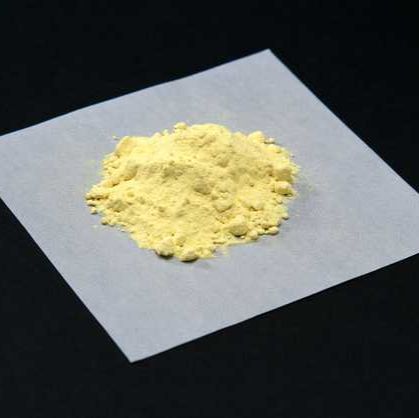
- ¥2500 - 6500
- 齐源
- 652421
- 国产/进口
- 2025年07月16日
- ICFC
- 大鼠
- 小鼠
6 年钻石会员
企业认证
相关产品推荐更多 >

万千商家帮你免费找货
0 人在求购买到急需产品
- 详细信息
- 文献和实验
- 技术资料
- 供应商:
齐源
- 库存:
999
- 靶点:
Ki-67
- 级别:
Ki-67 Antibody
- 目录编号:
Ki-67 Antibody
- 克隆性:
单克隆
- 抗原来源:
大鼠
- 保质期:
Ki-67 Antibody
- 抗体英文名:
Pacific Blue™ anti-mouse Ki-67 Antibody
- 抗体名:
Ki-67 Antibody
- 标记物:
Ki-67 Antibody
- 宿主:
大鼠
- 适应物种:
小鼠
- 免疫原:
Ki-67 Antibody
- 亚型:
Ki-67 Antibody
- 形态:
Ki-67 Antibody
- 应用范围:
ICFC
- 保存条件:
2-8℃
- 浓度:
0.5 mg/ml
- 规格:
25 µg/100 µg
| 规格: | 25 µg | 产品价格: | ¥2500.0 |
|---|---|---|---|
| 规格: | 100 µg | 产品价格: | ¥6500.0 |
Pacific Blue™ anti-mouse Ki-67 Antibody详细如下:
Description :The nuclear protein Ki-67 was first identified by the monoclonal antibody Ki-67, which wasgenerated by immunizing mice with nuclei of the L428 Hodgkin lymphoma cell line. Ki-67 proteinplays an essential role in ribosomal RNA transcription and cell proliferation. Expression of Ki-67occurs during G1, S, G2, and M phase, while in G0 phase the Ki-67 protein is not detectable.Ki-67 is strongly expressed in proliferating cells and has been reported as a prognostic markerin various tumors.
Verified Reactivity :Mouse
Antibody Type :Monoclonal
Host Species :Rat
Immunogen :E. coli expressed partial mouse Ki-67 recombinant protein, 1816-2163 aa.
Formulation :Phosphate-buffered solution, pH 7.2, containing 0.09% sodium azide.
Preparation :The antibody was purified by affinity chromatography and conjugated with Pacific Blue™ underoptimal conditions.
Concentration :0.5 mg/ml
Storage & Handling :The antibody solution should be stored undiluted between 2°C and 8°C, and protected fromprolonged exposure to light. Do not freeze.
Application :ICFC - Quality tested
Recommended Usage :Each lot of this antibody is quality control tested by our Ki-67 staining protocol below. For flowcytometric staining, the suggested use of this reagent is ≤1.0 µg per million cells in 100 µl volumeor 100 µl of whole blood. It is recommended that the reagent be titrated for optimal performance foreach application.
* Pacific Blue™ has a maximum emission of 455 nm when it is excited at 405 nm. Prior to usingPacific Blue™ conjugate for flow cytometric analysis, please verify your flow cytometer's capabilityof exciting and detecting the fluorochrome.
Excitation Laser :Violet Laser (405 nm)
Description :The nuclear protein Ki-67 was first identified by the monoclonal antibody Ki-67, which wasgenerated by immunizing mice with nuclei of the L428 Hodgkin lymphoma cell line. Ki-67 proteinplays an essential role in ribosomal RNA transcription and cell proliferation. Expression of Ki-67occurs during G1, S, G2, and M phase, while in G0 phase the Ki-67 protein is not detectable.Ki-67 is strongly expressed in proliferating cells and has been reported as a prognostic markerin various tumors.
Verified Reactivity :Mouse
Antibody Type :Monoclonal
Host Species :Rat
Immunogen :E. coli expressed partial mouse Ki-67 recombinant protein, 1816-2163 aa.
Formulation :Phosphate-buffered solution, pH 7.2, containing 0.09% sodium azide.
Preparation :The antibody was purified by affinity chromatography and conjugated with Pacific Blue™ underoptimal conditions.
Concentration :0.5 mg/ml
Storage & Handling :The antibody solution should be stored undiluted between 2°C and 8°C, and protected fromprolonged exposure to light. Do not freeze.
Application :ICFC - Quality tested
Recommended Usage :Each lot of this antibody is quality control tested by our Ki-67 staining protocol below. For flowcytometric staining, the suggested use of this reagent is ≤1.0 µg per million cells in 100 µl volumeor 100 µl of whole blood. It is recommended that the reagent be titrated for optimal performance foreach application.
* Pacific Blue™ has a maximum emission of 455 nm when it is excited at 405 nm. Prior to usingPacific Blue™ conjugate for flow cytometric analysis, please verify your flow cytometer's capabilityof exciting and detecting the fluorochrome.
Excitation Laser :Violet Laser (405 nm)
风险提示:丁香通仅作为第三方平台,为商家信息发布提供平台空间。用户咨询产品时请注意保护个人信息及财产安全,合理判断,谨慎选购商品,商家和用户对交易行为负责。对于医疗器械类产品,请先查证核实企业经营资质和医疗器械产品注册证情况。
 文献和实验
文献和实验该产品被引用文献
Application References(PubMed link indicatesBioLegend citation):
1. Medina-Reyes EI, et al. 2015. Environ Res. 136:424. PubMed
2. Guillaumond F, et al. 2015. PNAS. 112:2473. PubMed
3. Sharma SK, et al. 2015. J Immunol. 194:5529. PubMed
4. Rodero MP, et al. 2014. J. Invest. Dermatol. 7:1991-7. PubMed
Product Citations:
1. Sim HJ, et al. 2022. Sci Adv. 8:eabl4222. PubMed
2. Saint Fleur–Lominy S, et al. 2018. Cell Rep. 24:3045. PubMed
3. Wiedemann GM, et al. 2020. Cell Rep. 33:108498. PubMed
4. Ise W, et al. 2018. Immunity. 48:702. PubMed
5. Huang H, et al. 2021. Cell. 184(5):1245-1261.e21. PubMed
6. Yomtoubian S, et al. 2020. Cell Reports. 30(3):755-770.e6.. PubMed
7. Mesnieres M, et al. 2021. Cell Reports. 36(8):109618. PubMed
8. Chryplewicz A, et al. 2022. Cancer Cell. 40:1111. PubMed
1. Medina-Reyes EI, et al. 2015. Environ Res. 136:424. PubMed
2. Guillaumond F, et al. 2015. PNAS. 112:2473. PubMed
3. Sharma SK, et al. 2015. J Immunol. 194:5529. PubMed
4. Rodero MP, et al. 2014. J. Invest. Dermatol. 7:1991-7. PubMed
Product Citations:
1. Sim HJ, et al. 2022. Sci Adv. 8:eabl4222. PubMed
2. Saint Fleur–Lominy S, et al. 2018. Cell Rep. 24:3045. PubMed
3. Wiedemann GM, et al. 2020. Cell Rep. 33:108498. PubMed
4. Ise W, et al. 2018. Immunity. 48:702. PubMed
5. Huang H, et al. 2021. Cell. 184(5):1245-1261.e21. PubMed
6. Yomtoubian S, et al. 2020. Cell Reports. 30(3):755-770.e6.. PubMed
7. Mesnieres M, et al. 2021. Cell Reports. 36(8):109618. PubMed
8. Chryplewicz A, et al. 2022. Cancer Cell. 40:1111. PubMed

文献支持
Pacific Blue™ 抗小鼠 Ki-67 抗体
¥2500 - 6500
