


- ¥1500
- ATCC、DSMZ、ECACC、RIKEN
- 江苏
- CL1279
- 2026年09月16日

企业认证
相关产品推荐更多 >

万千商家帮你免费找货
0 人在求购买到急需产品
相关阅读
AJE 润色服务限时 8 折起,权威机构信任 15+ 年Cytoscape 教程来了!快速实现顶刊同款通路网络图五大应用案例:Mustang Q 膜层析应用全解析1 个小工具,一次性搞定流程图、质粒图谱和信号通路图- 详细信息
- 询价记录
- 文献和实验
- 技术资料
- 英文名:
SW1990
- 库存:
100万
- 供应商:
欣润生物
- 肿瘤类型:
是
- 细胞类型:
细胞系
- ATCC Number:
CL1279
- 品系:
人
- 组织来源:
胰腺癌
- 相关疾病:
胰腺癌
- 物种来源:
人源
- 免疫类型:
不详
- 细胞形态:
上皮型
- 是否是肿瘤细胞:
是
- 器官来源:
胰腺
- 运输方式:
新鲜或干冰
- 年限:
成年
- 生长状态:
贴壁生长
- 规格:
T25方瓶
- 细胞名称:SW1990细胞(人胰腺癌细胞)
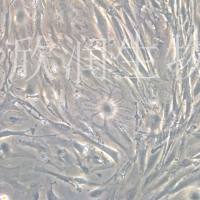
- 形态:上皮型,贴壁生长
- 含量:>1x10⁶ 个/瓶
- 污染:支原体、细菌、酵母和真菌检测为阴性
- 规格:T25瓶或者1mL冻存管包装
二、细胞接收后的处理:
1、贴壁细胞
- 收到T25方瓶细胞后,请检查是否漏液,如果漏液,请拍照片发给我们(冻存管细胞收到后直接37℃水浴复苏或直接放置于液氮中长期储存)。
- 请先在显微镜下确认细胞生长状态,去掉封口膜并将T25瓶置于37℃培养约2-3h。
- 弃去T25瓶中的培养基,换用新鲜的完全培养基。
- 如果细胞长满(90%以上)请及时进行细胞传代。
- 接到细胞次日,请检查细胞是否污染,若发现污染或疑似污染,请及时与我们取得联系。
2、悬浮细胞
- 收到细胞后,请检查是否漏液,如果漏液,请拍照片发给我们。
- 请先在显微镜下确认细胞生长状态,去掉封口膜并将15ml离心管置于37℃培养约2-3h。
- 1200rpm离心5min,弃去15ml离心管中的培养基,细胞沉淀用新鲜的完全培养基重悬并培养。
- 如果细胞长满(90%以上)请及时进行细胞传代。
- 接到细胞次日,请检查细胞是否污染,若发现污染或疑似污染,请及时与我们取得联系。
本公司的细胞培养操作规程,供参考
一、培养基及培养冻存条件准备:
- 准备H-DMEM培养基,90%;优质胎牛血清,10%。
- 培养条件: 气相:空气,95%;二氧化碳,5%。 温度:37℃,培养箱湿度为70%-80%。
- 冻存液:90%血清,10%DMSO,现用现配。液氮储存。
对于贴壁细胞,传代可参考以下方法:
- 弃去培养上清,用不含钙、镁离子的PBS润洗细胞1-2次。
- 加2ml消化液(0.25%Trypsin-0.53mM EDTA)于培养瓶中,置于37℃培养箱中消化2-3分钟,然后在显微镜下观察细胞消化情况,若细胞大部分变圆并脱落,迅速拿回操作台,轻敲几下培养瓶后加入3ml此细胞的培养基终止消化。
- 轻轻吹打后吸出,移入15ml离心管中,在1200RPM条件下离心5分钟,弃去上清液,加入1mL培养液后吹匀。
- 移入到事先准备好的含有5ml培养基的T-25培养瓶中或含有14ml培养基的T-75培养瓶中培养。
3)细胞冻存:待细胞生长状态良好时,可进行细胞冻存。贴壁细胞冻存时,先要消化处理并进行细胞计数。消化方法按照细胞传代方法的1-3步骤进行,最后的重悬液使用血清。悬浮细胞直接计数后离心,用血清重悬浮,加DMSO至最终浓度为10%。加入DMSO后迅速混匀,按每1ml的数量分配到冻存管中。本公司按每个冻存管细胞数目大于1X10⁶个细胞冻存。
注意事项:
1. 收到冻存管细胞后,若发现干冰已挥发干净、冻存管瓶盖脱落、破损及细胞有污染,请立即与我们联系。
2. 所有动物细胞均视为有潜在的生物危害性,必须在二级生物安全台内操作,并请注意防护,所有废液及接触过此细胞的器皿需要灭菌后方能丢弃。
3. 细胞用途:仅供科研使用。
发货方式:
复苏后发货:我们复苏细胞后发货,货期一周左右,免运费。(气温较好建议复苏后发货)
冻存发货(干冰运输):需额外增加干冰运费,选择干冰运输的我们发两管细胞,为了保证客户接种可靠性多发一管。(气温低于0℃须冻存发货)
细胞发货采取专业的运输包装,并选择最快捷的运输方式(顺丰速运或其他空运快递)
MicroRNA miR-491-5p Targeting both TP53 and Bcl-XL Induces Cell Apoptosis in SW1990 Pancreatic Cancer Cells through Mitochondria Mediated Pathway
MicroRNA (miRNA) actively participates in a broad range of cellular processes such as proliferation, differentiation, cell survival and apoptosis. Deregulated expression of miRNA may affect cell growth and eventually lead to cancer. In this study, we found that hsa-miR491-5p (miR491-5p) displays a significantly high level of expression in normal human pancreas tissue versus pancreatic cancer cells. Targeted site prediction indicated that both Bcl-XL and TP53 contain miR-491-5p recognizing sites in their 3#039; UTRs. Overexpression of miR-491-5p in the pancreatic cancer cell line SW1990 effectively inhibited both endogenous Bcl-XL and TP53 gene expressions. Mutagenesis at the seed match region of both targeted genes further confirmed the specificity of miR491-5p recognition. Cell proliferation rate was inversely related to the increased doses of miR-491-5p. Flow cytometric analysis showed that the proportions of total apoptotic and early apoptotic cells were significantly induced as the dose of miR491-5p increased. Moreover, a mechanistic study indicated that miR-R491-5p-mediated cell apoptosis was associated with the activation of intrinsic mitochondria mediated pathways. miR491-5p also markedly inhibited mitogenic signaling pathways such as STAT3 and PI-3K/Akt, but not Ras/MAPK. Thus, our results demonstrated that miR491-5p could effectively target both Bcl-xL and TP53 and induce cell apoptosis independent of TP53.
Antitumor effect of leaves of Ravenala madagascariensis Sonn., in PANC1 and SW1990 pancreatic cell lines
Pancreatic cancer is the seventh leading cause of cancer-related deaths in developed countries with an average survival rate of less than 9%. Up to 80% of the patients with pancreatic cancer are found to be diabetic at the time of diagnosis. Leaves of Ravenala madagascariensis Sonn., have been traditionally used in the treatment of diabetes and was scientifically proven to be effective as an antidiabetic, hypolipidemic, renoprotective and antioxidant agent. In the present study, the antitumor effect of successive ethanolic leaf extract over two human pancreatic cancer cell lines PANC1 and SW1990 was evaluated by MTT assay. The shade dried, powdered leaves of R. madagascariensis, was subjected to successive soxhlet extraction with n-hexane, ethyl acetate followed by ethanol, concentrated and evaporated to dryness. The extract was subjected to preliminary phytochemical screening and was found to possess alkaloids, flavonoids, saponins, glycosides, phenols and tannins. The thin layer chromatography and high performance thin layer chromatography of various extracts of R.
风险提示:丁香通仅作为第三方平台,为商家信息发布提供平台空间。用户咨询产品时请注意保护个人信息及财产安全,合理判断,谨慎选购商品,商家和用户对交易行为负责。对于医疗器械类产品,请先查证核实企业经营资质和医疗器械产品注册证情况。
 询价记录
询价记录 暂无询价记录
 文献和实验
文献和实验Chicken intestinal epithelial cells were obtained from NEWGAINBIO company. Cells were cultured on 37℃, with 5% CO2, in the Ham’s F-12 Nutrient (DMEM/12) that contained the following supplementations: fetal bovine serum (5%), in-sulin (5 µg/mL), transferrin (5 µg/mL), selenium (5 ng/mL), epidermal growth factor (5 ng/mL) and penicillin-streptomycin (100–100 U/mL) for cell culturing (full DMEM/12). Experiments were performed with chicken intestinal epithelial cells and working solutions were prepared with plain DMEM/12 without supplementation. For the investigations, cells were seeded onto 96-well, 24-well or 6-well polystyrene cell culture plates.
Primary hVICs (passage 2) were cultured to 50–60% confluence and infected with pGMLV-SV40T-puro lentivirus (NewgainBio, Wuxi, China) at a multiplicity of infection of 80 supplemented with 5 µg/mL polybrene (Sigma-Aldrich, Buchs, Switzerland).
Tissue was cultured until cells became visible around the tissue, and when the fusion reached 90% (FIGURE 1A) §ask ¦lled with the prepared culturing medium was sent to the company for further immortalisation. Cell immortalisation was done for cell stability and longer-term use. Immortalised cells were cultured with 10% FBS and 1% PS in the DMEM medium. After the cells multiplied and merged, they were routinely passed and grown ( NEWGAINBIO Inc. Wuxi, Jiangsu, China) (FIGURE 1B-C).
Mouse primary cultured renal vascular ECs and VSMCs were obtained from Newgainbio company, which were tested by Factor VIII and α-smooth muscle actin (α-SMA), the marker of ECs and VSMCs. RNeasy Mini Kit was used for RNA extraction, and the above protocols were repeated.
Porcine primary colon epithelial cells (Newgainbio company, Wuxi,China) were cultured in Dulbecco's Modified Eagle's Medium (Solarbio, Beijing, China) containing 10 % fetal bovine serum (BioInd, Kiryat shmona, Lsrael) at 37 ◦C and 5 % CO2 humidity.
吾夜清心 请教:胰腺癌细胞有耐药的吗?如耐5-FU胰腺癌细胞株,耐多种药物胰腺癌细胞株 我想从逆转耐药着手,有耐药的肿瘤细胞株吗? 谢谢:P zhujoker 胰腺癌细胞有耐药的,比如胰腺癌耐药细胞株SW1990/FU的建立、鉴定。这是采用5-氟尿嘧啶(5-FU)浓度梯度递增法建立胰腺癌耐药细胞株SW1990/FU。耐多种药物胰腺癌细胞株,耐药细胞亚株SW1990/FU和SW1990/ADM,不过好像这些耐药细胞
结晶紫法活性测定 1、取对数生长期的人胰腺癌SW1990细胞,用0.25%胰酶(以无钙镁离子PBS溶液配制,pH7.4)消化后,加入RPMI-1640培养基(10%新生牛血清,100U/ml青霉素,100U/ml链霉素,pH7.2)吹打细胞,使形成细胞悬液。进行细胞计数,使细胞数为2~2.5×105个/ml。接种于96孔细胞培养板,100µl/孔。接种细胞时须不断摇动细胞悬液,以保证各孔细胞数的均匀一致。96孔板放置于37℃、5%CO2培养箱中培养22h,观察到孔中细胞长满70~80
免疫学研究室细胞库目录 1.癌细胞7株:LS174T, Culu, Lovo, SW111, Colon320, CT26(mouse), HT29 2.胃癌4株:MGC-80, Koto-III, PDGC, SGC-7901 3.胰腺癌2株:SW1990,CP 4.肺癌7株:A549, Calu-3,95D, PLA-801D, QSDA427, LGC, 7901 5.白血病2株:HL60, K562(ATCC) 6.肝癌3株:7721, ALEX, BEL-7402
 技术资料
技术资料
