

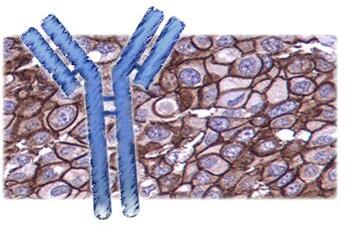
- ¥2980
- LMAI Bio
- LM-0525R-FITC
- 中国/美国/欧洲
- 2025年07月13日
- Flow-Cyt=1:50-200 ICC=1:50-200 IF=1:50-200
- Human, Mouse, Rat, Dog, Cow,
- Human, Mouse, Rat, Dog, Cow,

企业认证
相关产品推荐更多 >

万千商家帮你免费找货
0 人在求购买到急需产品
相关阅读
源叶生物 十万种现货试剂速发,品质稳、品类全,实验不再等!Takara 秋促来袭,提取+反转录+定量套装仅 1200 元abinScience 体内级抗体 全年锁价 低至 ¥1200阿拉丁 22万+ 科研级产品现货速发,品质严控、科研无忧- 详细信息
- 文献和实验
- 技术资料
- 供应商:
上海联迈生物工程有限公司
- 库存:
大量
- 靶点:
详见说明书
- 级别:
1
- 目录编号:
LM-0525R-FITC
- 克隆性:
多克隆
- 抗原来源:
Rabbit
- 保质期:
1年
- 抗体英文名:
Anti-Thrombomodulin/FITC
- 抗体名:
Anti-Thrombomodulin/FITC
- 标记物:
FITC标记
- 宿主:
Human, Mouse, Rat, Dog, Cow,
- 适应物种:
Human, Mouse, Rat, Dog, Cow,
- 免疫原:
详见说明书
- 亚型:
IGg
- 形态:
粉末、液体、冻干粉
- 应用范围:
Flow-Cyt=1:50-200 ICC=1:50-200 IF=1:50-200
- 浓度:
1mg/ml
- 保存条件:
-20 °C
- 规格:
100ul
| 英文名称 | Anti-Thrombomodulin/FITC |
| 中文名称 | FITC标记的血栓调节蛋白抗体 |
| 别 名 | Thrombomodulin; CD 141; CD141; CD141 antigen; Fetomodulin; THBD; THRM; TM; AHUS 6; AHUS6; BDCA 3; BDCA3; THPH12; TRBM_HUMAN. |
| 规格价格 | 100ul/2980元 购买 大包装/询价 |
| 说 明 书 | 100ul |
| 研究领域 | 心血管 细胞生物 神经生物学 血管内皮细胞 |
| 抗体来源 | Rabbit |
| 克隆类型 | Polyclonal |
| 交叉反应 | Human, Mouse, Rat, Dog, Cow, |
| 产品应用 | Flow-Cyt=1:50-200 ICC=1:50-200 IF=1:50-200 not yet tested in other applications. optimal dilutions/concentrations should be determined by the end user. |
| 分 子 量 | 61kDa |
| 细胞定位 | 细胞膜 |
| 性 状 | Lyophilized or Liquid |
| 浓 度 | 1mg/ml |
| 免 疫 原 | KLH conjugated synthetic peptide derived from mouse Thrombomodulin |
| 亚 型 | IgG |
| 纯化方法 | affinity purified by Protein A |
| 储 存 液 | 0.01M TBS(pH7.4) with 1% BSA, 0.03% Proclin300 and 50% Glycerol. |
| 保存条件 | Store at -20 °C for one year. Avoid repeated freeze/thaw cycles. The lyophilized antibody is stable at room temperature for at least one month and for greater than a year when kept at -20°C. When reconstituted in sterile pH 7.4 0.01M PBS or diluent of antibody the antibody is stable for at least two weeks at 2-4 °C. |
| 产品介绍 | background: Thrombomodulin, TM is cell surface glycoprotein; plays an important role in the protein C anticoagulant pathway. It located in a vein, artery and capillary endothelial cells on the surface of plasma membrane protein. It is generally believed: TM vascular endothelial injury is an important parameter is the thrombin receptor, known in a variety of normal human tissues, can also be expressed in many tumors, TM may be similar to the E-cadherin,and is a lectin Like activity of a new class of members of the cell adhesion molecules. CD141/Thrombomodulin is an exclusively endothelial cell surface glycoprotein that forms a 1:1 complex with thrombin. Binding of thrombin to this high-affinity receptor alters its specificity toward several substrates. The complex activates protein C approximately 1000 times faster than thrombin alone. Activated protein C degrades clotting factors V and VIII; thus, thrombomodulin converts thrombin into a physiologic anticoagulant. Thrombomodulin is also found in the circulatory and urinary systems, the physiologic significance of this obscure. Function: Thrombomodulin is a specific endothelial cell receptor that forms a 1:1 stoichiometric complex with thrombin. This complex is responsible for the conversion of protein C to the activated protein C (protein Ca). Once evolved, protein Ca scissions the activated cofactors of the coagulation mechanism, factor Va and factor VIIIa, and thereby reduces the amount of thrombin generated. Subcellular Location: Membrane; Single-pass type I membrane protein. Tissue Specificity: Endothelial cells are unique in synthesizing thrombomodulin. Post-translational modifications: N-glycosylated. The iron and 2-oxoglutarate dependent 3-hydroxylation of aspartate and asparagine is (R) stereospecific within EGF domains. DISEASE: Defects in THBD are the cause of thrombophilia due to thrombomodulin defect (THPH12) [MIM:614486]. A hemostatic disorder characterized by a tendency to thrombosis. Defects in THBD are a cause of susceptibility to hemolytic uremic syndrome atypical type 6 (AHUS6) [MIM:612926]. An atypical form of hemolytic uremic syndrome. It is a complex genetic disease characterized by microangiopathic hemolytic anemia, thrombocytopenia, renal failure and absence of episodes of enterocolitis and diarrhea. In contrast to typical hemolytic uremic syndrome, atypical forms have a poorer prognosis, with higher death rates and frequent progression to end-stage renal disease. Note=Susceptibility to the development of atypical hemolytic uremic syndrome can be conferred by mutations in various components of or regulatory factors in the complement cascade system. Other genes may play a role in modifying the phenotype. Similarity: Contains 1 C-type lectin domain. Contains 6 EGF-like domains. Database links: Entrez Gene: 7056 Human Omim: 188040 Human SwissProt: P07204 Human Unigene: 2030 Human Important Note: This product as supplied is intended for research use only, not for use in human, therapeutic or diagnostic applications. 血栓调节蛋白(thrombomodulin,TM)是一种分布于静脉、动脉和毛细血管内皮细胞表面的质膜蛋白。 一般认为:TM是血管内皮损伤的重要参数,也是凝血酶的受体,已知在人类多种正常组织中表达,亦可表达于许多肿瘤组织,TM可能类似于钙粘蛋白,是具有凝集素样活性的新一类细胞粘附分子的成员。TM是血管内皮细胞膜上的凝血酶受体之一。与凝血酶结合后可降低凝血酶的凝血活性,而加强其激活蛋白C的活性。由于被激活的蛋白C具有抗凝作用,因此,TM是使凝血酶由促凝转向抗凝的重要的血管内凝血抑制因子。 |
风险提示:丁香通仅作为第三方平台,为商家信息发布提供平台空间。用户咨询产品时请注意保护个人信息及财产安全,合理判断,谨慎选购商品,商家和用户对交易行为负责。对于医疗器械类产品,请先查证核实企业经营资质和医疗器械产品注册证情况。
 文献和实验
文献和实验多色流式实验中,由于不同荧光素的发射波长的覆盖范围不同,可能产生重叠,对实验结果的数据分析造成一定干扰,我们通常会设置单阳管进行调节补偿。同时,单阳管还可以辅助我们调节通道电压,防止信号超出接收范围。 图示:常见荧光素的发射光谱 A. 如何设置单阳管 单阳管即单染管,是只添加一种荧光抗体的样本管。一般来说,实验 panel 有几种荧光,就需要设置几个单阳管。如:APC、PE、FITC 的三色 panel,需要设置三个单阳管。 B. 制备单阳管的要求 ①单阳管和全染管的样本类型、荧光素要保持
sunchangzheng 我打算用此抗体通过流式检测细胞表面P糖蛋白的表达量差异。 说明书中说是多抗,这种抗体有单抗的吧? 用于FCM: 1:20-100,这是说用于流式的稀释倍数,是不是稀释倍数越小越好呢? 同型对照抗体是不是必须要做的?如何选择阴型同型对照抗体呢! 我用的抗体是FITC标记的P-糖蛋白抗体 谢谢交流与帮助! freecell 抗体的稀释倍数是需要优化
替代 marker 来设置补偿,则补偿控制中的标记至少与实验样品中的标记一样亮是至关重要的。否则,可能无法正确调整补偿。通常,暗淡补偿控制不适用于确定精确的补偿值。 Tip 6:补偿控制样品必须包含与实验样品相同的荧光染料 虽然在补偿调节样品中使用完全相同的细胞并不重要,但使用完全相同的荧光染料至关重要。例如,不应使用 FITC 来补偿 GFP。不同形状的荧光染料发射光谱导致光谱重叠的幅度不同,因此需要不同的补偿。 Tip 7:串联荧光染料偶联物需要批次特定的补偿 串联荧光染料对于多色应用是必不可少
 技术资料
技术资料暂无技术资料 索取技术资料

