

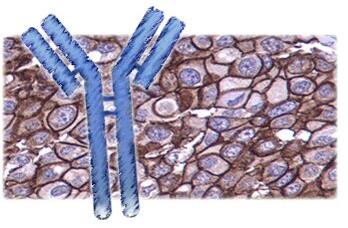
- ¥2980
- LMAI Bio
- LM-8451R-FITC
- 中国/美国/欧洲
- 2026年05月29日
- IF=1:50-200
- Human, Mouse, Rat, Chicken, Pig, Cow, Horse, Rabbit, Guinea Pig, Daniorerio
- Human, Mouse, Rat, Chicken, Pig, Cow, Horse, Rabbit, Guinea Pig, Daniorerio

企业认证
相关产品推荐更多 >
万千商家帮你免费找货
0 人在求购买到急需产品
相关阅读
源叶生物 十万种现货试剂速发,品质稳、品类全,实验不再等!Takara 秋促来袭,提取+反转录+定量套装仅 1200 元abinScience 体内级抗体 全年锁价 低至 ¥1200阿拉丁 22万+ 科研级产品现货速发,品质严控、科研无忧- 详细信息
- 文献和实验
- 技术资料
- 供应商:
上海联迈生物工程有限公司
- 库存:
大量
- 靶点:
详见说明书
- 级别:
1
- 目录编号:
LM-8451R-FITC
- 克隆性:
多克隆
- 抗原来源:
Rabbit
- 保质期:
1年
- 抗体英文名:
Anti-phospho-HNF4 (Ser304)/FITC
- 抗体名:
Anti-phospho-HNF4 (Ser304)/FITC
- 标记物:
FITC标记
- 宿主:
Human, Mouse, Rat, Chicken, Pig, Cow, Horse, Rabbit, Guinea Pig, Daniorerio
- 适应物种:
Human, Mouse, Rat, Chicken, Pig, Cow, Horse, Rabbit, Guinea Pig, Daniorerio
- 免疫原:
详见说明书
- 亚型:
IGg
- 形态:
粉末、液体、冻干粉
- 应用范围:
IF=1:50-200
- 浓度:
1mg/ml
- 保存条件:
-20 °C
- 规格:
100ul
| 英文名称 | Anti-phospho-HNF4 (Ser304)/FITC |
| 中文名称 | FITC标记的磷酸化肝细胞核因子4α抗体 |
| 别 名 | HNF4(Phospho-Ser304); Hepatic nuclear factor 4 alpha; Hepatocyte nuclear factor 4 alpha; Hepatocyte nuclear factor 4; HNF 4 alpha; HNF 4; HNF4; HNF4A; HNF4a7; HNF4a8; HNF4a9; Hnf4alpha; MODY 1; MODY; MODY1; NR2A1; NR2A21; Nuclear receptor subfamily 2 group A member 1; TCF 14; TCF; TCF14; Tcf4; Transcription factor 14, hepatic nuclear factor; Transcription factor 14; Transcription factor HNF 4; Transcription factor HNF4; HNF4A_HUMAN. |
| 规格价格 | 100ul/2980元 购买 大包装/询价 |
| 说 明 书 | 100ul |
| 产品类型 | 磷酸化抗体 |
| 研究领域 | 肿瘤 细胞生物 免疫学 染色质和核信号 信号转导 转录调节因子 激酶和磷酸酶 |
| 抗体来源 | Rabbit |
| 克隆类型 | Polyclonal |
| 交叉反应 | Human, Mouse, Rat, Chicken, Pig, Cow, Horse, Rabbit, Guinea Pig, Daniorerio |
| 产品应用 | IF=1:50-200 not yet tested in other applications. optimal dilutions/concentrations should be determined by the end user. |
| 分 子 量 | 52kDa |
| 性 状 | Lyophilized or Liquid |
| 浓 度 | 1mg/ml |
| 免 疫 原 | KLH conjugated Synthesised phosphopeptide derived from human HNF4 alpha around the phosphorylation site of Ser304 |
| 亚 型 | IgG |
| 纯化方法 | affinity purified by Protein A |
| 储 存 液 | 0.01M TBS(pH7.4) with 1% BSA, 0.03% Proclin300 and 50% Glycerol. |
| 保存条件 | Store at -20 °C for one year. Avoid repeated freeze/thaw cycles. The lyophilized antibody is stable at room temperature for at least one month and for greater than a year when kept at -20°C. When reconstituted in sterile pH 7.4 0.01M PBS or diluent of antibody the antibody is stable for at least two weeks at 2-4 °C. |
| 产品介绍 | background: The protein encoded by the HNF4 gene is a nuclear transcription factor which binds DNA as a homodimer. The encoded protein controls the expression of several genes, including hepatocyte nuclear factor 1 alpha, a transcription factor which regulates the expression of several hepatic genes. This gene may play a role in development of the liver, kidney, and intestines. Mutations in this gene have been associated with monogenic autosomal dominant non insulin dependent diabetes mellitus type I. At least three different transcript variants encoding three different isoforms have been found for this gene. Function: Transcriptionally controlled transcription factor. Binds to DNA sites required for the transcription of alpha 1-antitrypsin, apolipoprotein CIII, transthyretin genes and HNF1-alpha. May be essential for development of the liver, kidney and intestine. Subunit: Homodimerization is required for HNF4-alpha to bind to its recognition site. Subcellular Location: Nucleus. Post-translational modifications: Phosphorylated on tyrosine residue(s); phosphorylation is important for its DNA-binding activity. Phosphorylation may directly or indirectly play a regulatory role in the subnuclear distribution. Phosphorylation at Ser-313 by AMPK reduces the ability to form homodimers and bind DNA. Acetylation at Lys-458 lowers transcriptional activation by about two-fold. DISEASE: Defects in HNF4A are the cause of maturity-onset diabetes of the young type 1 (MODY1) [MIM:125850]; also symbolized MODY-1. MODY is a form of diabetes that is characterized by an autosomal dominant mode of inheritance, onset in childhood or early adulthood (usually before 25 years of age), a primary defect in insulin secretion and frequent insulin-independence at the beginning of the disease. Similarity: Belongs to the nuclear hormone receptor family. NR2 subfamily. Contains 1 nuclear receptor DNA-binding domain. Database links: Entrez Gene: 3172 Human Entrez Gene: 15378 Mouse Entrez Gene: 25735 Rat Omim: 600281 Human SwissProt: P41235 Human SwissProt: P49698 Mouse SwissProt: P22449 Rat Unigene: 116462 Human Unigene: 202383 Mouse Unigene: 12238 Rat Important Note: This product as supplied is intended for research use only, not for use in human, therapeutic or diagnostic applications. |
风险提示:丁香通仅作为第三方平台,为商家信息发布提供平台空间。用户咨询产品时请注意保护个人信息及财产安全,合理判断,谨慎选购商品,商家和用户对交易行为负责。对于医疗器械类产品,请先查证核实企业经营资质和医疗器械产品注册证情况。
 文献和实验
文献和实验三句话读懂一篇 CNS:运动 30 分钟可立即改善抑郁症患者情绪;多喝水或可降低心衰风险
7. Hepatology:肝细胞癌祖细胞到完全建立肝细胞癌过程的潜在机理 肝癌的发生通过肝细胞癌 (HCC) 祖细胞 (HcPCs) 到完全建立的 HCC,其机制不明。 2022 年 3 月 28 日,海军军医大学侯晋及曹雪涛共同通讯在 Hepatology 杂志发表研究论文 Malignant progression of liver cancer progenitors requires KAT7-acetylated and cytoplasm-translocated G-protein GαS
大鼠海马体神经元和活体大鼠脑注射 α 突触核蛋白后做的免疫细胞化学和免疫组化分析。 原代大鼠海马体神经元被 1 型突触核蛋白前体原纤维(SPR-322)4 µg/mL(D-F)处理后显示路易体内含物的形成,而当被 2 型突触核蛋白前体原纤维(SPR-317)4 µg/mL(A-C)处理时没有路易体内含物形成。组织:原代海马体神经元,物种:斯普拉-道来氏大鼠,固定:由 PFA 制作的 4% 甲醛。一抗:小鼠抗 pSer129 抗体, 稀释度 1:1,000,4 °C 下处理 24 小时;二抗
Cell Metab:浙大吕志民团队揭示肿瘤细胞 Warburg 效应促进肿瘤免疫逃逸
2 从线粒体外膜脱落,进入细胞浆中。在细胞浆中,HK2 结合 NF-κB 的抑制因子 IκBα。 重要的是,HK2 发挥了不依赖于其经典代谢功能的新功能,即作为一个蛋白激酶磷酸化 IκBα 的 Thr 291 位点。该磷酸化促进了蛋白酶 μ-calpain 与 IκBα 的结合并进一步降解 IκBα,进而使转录因子 NF-κB 入核,最终促进了 PD-L1 的表达并导致了肿瘤的免疫逃逸。作者还发现,使用己糖激酶的抑制剂与 PD-1 抗体联用治疗小鼠胶质瘤,可以显著提升 PD-1 抗体的治疗
 技术资料
技术资料暂无技术资料 索取技术资料

