

- ¥2980
- LMAI Bio
- LM-4855R-FITC
- 中国/美国/欧洲
- 2025年07月16日
- ICC=1:50-200 IF=1:50-200
- Human, Mouse, Rat, Chicken, Dog, Pig, Cow, Rabbit, Sheep, Guinea Pig,
- Human, Mouse, Rat, Chicken, Dog, Pig, Cow, Rabbit, Sheep, Guinea Pig,

企业认证
相关产品推荐更多 >




万千商家帮你免费找货
0 人在求购买到急需产品
- 详细信息
- 文献和实验
- 技术资料
- 供应商:
上海联迈生物工程有限公司
- 库存:
大量
- 靶点:
详见说明书
- 级别:
1
- 目录编号:
LM-4855R-FITC
- 克隆性:
多克隆
- 抗原来源:
Rabbit
- 保质期:
1年
- 抗体英文名:
Anti-GLUT1/FITC
- 抗体名:
Anti-GLUT1/FITC
- 标记物:
FITC标记
- 宿主:
Human, Mouse, Rat, Chicken, Dog, Pig, Cow, Rabbit, Sheep, Guinea Pig,
- 适应物种:
Human, Mouse, Rat, Chicken, Dog, Pig, Cow, Rabbit, Sheep, Guinea Pig,
- 免疫原:
详见说明书
- 亚型:
IGg
- 形态:
粉末、液体、冻干粉
- 应用范围:
ICC=1:50-200 IF=1:50-200
- 浓度:
1mg/ml
- 保存条件:
-20 °C
- 规格:
100ul
| 英文名称 | Anti-GLUT1/FITC |
| 中文名称 | FITC标记的葡萄糖转运蛋白1抗体 |
| 别 名 | Glucose Transporter GLUT1; GT-1; GLUT-1; GLUT 1; Solute carrier family 2; facilitated glucose transporter member 1; Glucose transporter type 1; erythrocyte/brain; DYT17; DYT18; Erythrocyte/brain HepG2 glucose transporter; Erythrocyte/hepatoma glucose transporter; Glucose transporter 1; Glucose transporter type 1; Glucose transporter type 1 erythrocyte/brain; Glucose transporter type 1, erythrocyte/brain; GLUT; GLUT1; GLUT1DS; GLUTB; GT1; GTG1; Gtg3; GTR1_HUMAN; HepG2 glucose transporter; MGC141895; MGC141896; PED; RATGTG1; SLC2A 1; SLC2A1; Solute carrier family 2 (facilitated glucose transporter), member 1; Solute carrier family 2 facilitated glucose transporter member 1. |
| 规格价格 | 100ul/2980元 购买 大包装/询价 |
| 说 明 书 | 100ul |
| 研究领域 | 肿瘤 细胞生物 免疫学 生长因子和激素 转运蛋白 |
| 抗体来源 | Rabbit |
| 克隆类型 | Polyclonal |
| 交叉反应 | Human, Mouse, Rat, Chicken, Dog, Pig, Cow, Rabbit, Sheep, Guinea Pig, |
| 产品应用 | ICC=1:50-200 IF=1:50-200 not yet tested in other applications. optimal dilutions/concentrations should be determined by the end user. |
| 分 子 量 | 54kDa |
| 细胞定位 | 细胞膜 |
| 性 状 | Lyophilized or Liquid |
| 浓 度 | 1mg/ml |
| 免 疫 原 | KLH conjugated synthetic peptide derived from human GLUT1 (251-320aa) |
| 亚 型 | IgG |
| 纯化方法 | affinity purified by Protein A |
| 储 存 液 | 0.01M TBS(pH7.4) with 1% BSA, 0.03% Proclin300 and 50% Glycerol. |
| 保存条件 | Store at -20 °C for one year. Avoid repeated freeze/thaw cycles. The lyophilized antibody is stable at room temperature for at least one month and for greater than a year when kept at -20°C. When reconstituted in sterile pH 7.4 0.01M PBS or diluent of antibody the antibody is stable for at least two weeks at 2-4 °C. |
| 产品介绍 | background: This gene encodes a major glucose transporter in the mammalian blood-brain barrier. Mutations in this gene have been found in a family with paroxysmal exertion-induced dyskinesia. [provided by RefSeq, Jul 2008]. Function: Facilitative glucose transporter. This isoform may be responsible for constitutive or basal glucose uptake. Has a very broad substrate specificity; can transport a wide range of aldoses including both pentoses and hexoses. Subcellular location is at Cell membrane; multi-pass membrane protein. Facilitative glucose transporter. This isoform may be responsible for constitutive or basal glucose uptake. Has a very broad substrate specificity; can transport a wide range of aldoses including both pentoses and hexoses. Subcellular Location: Cell membrane; Multi-pass membrane protein. Melanosome. Note=Localizes primarily at the cell surface. Identified by mass spectrometry in melanosome fractions from stage I to stage IV. Tissue Specificity: Expressed at variable levels in many human tissues. Post-translational modifications: Phosphorylated upon DNA damage, probably by ATM or ATR. DISEASE: Defects in SLC2A1 are the cause of GLUT1 deficiency syndrome type 1 (GLUT1DS1) [MIM:606777]; also known as blood-brain barrier glucose transport defect. A neurologic disorder showing wide phenotypic variability. The most severe 'classic' phenotype comprises infantile-onset epileptic encephalopathy associated with delayed development, acquired microcephaly, motor incoordination, and spasticity. Onset of seizures, usually characterized by apneic episodes, staring spells, and episodic eye movements, occurs within the first 4 months of life. Other paroxysmal findings include intermittent ataxia, confusion, lethargy, sleep disturbance, and headache. Varying degrees of cognitive impairment can occur, ranging from learning disabilities to severe mental retardation. Defects in SLC2A1 are the cause of GLUT1 deficiency syndrome type 2 (GLUT1DS2) [MIM:612126]. A clinically variable disorder characterized primarily by onset in childhood of paroxysmal exercise-induced dyskinesia. The dyskinesia involves transient abnormal involuntary movements, such as dystonia and choreoathetosis, induced by exercise or exertion, and affecting the exercised limbs. Some patients may also have epilepsy, most commonly childhood absence epilepsy. Mild mental retardation may also occur. In some patients involuntary exertion-induced dystonic, choreoathetotic, and ballistic movements may be associated with macrocytic hemolytic anemia. Similarity: Belongs to the major facilitator superfamily. Sugar transporter (TC 2.A.1.1) family. Glucose transporter subfamily. Database links: Entrez Gene: 6513 Human Entrez Gene: 20525 Mouse Entrez Gene: 24778 Rat Omim: 138140 Human SwissProt: P11166 Human SwissProt: P17809 Mouse SwissProt: P11167 Rat Unigene: 473721 Human Unigene: 721551 Human Unigene: 21002 Mouse Unigene: 3205 Rat
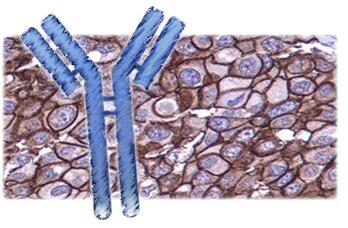
Important Note: This product as supplied is intended for research use only, not for use in human, therapeutic or diagnostic applications. GLUT-1属于溶质运载蛋白家族成员(solute carrier family),主要功能是转载葡萄糖进入上皮细胞。 目前主要用于糖尿病肾病和视网膜病变的研究,也是肾小球系膜细胞上的主要葡萄糖转运体。GLUT1的功能状态直接影响系膜细胞的糖代谢及功能变化。 近期,研究人员也用来区别一些良、恶性肿瘤的鉴别 |
风险提示:丁香通仅作为第三方平台,为商家信息发布提供平台空间。用户咨询产品时请注意保护个人信息及财产安全,合理判断,谨慎选购商品,商家和用户对交易行为负责。对于医疗器械类产品,请先查证核实企业经营资质和医疗器械产品注册证情况。
 文献和实验
文献和实验内腔可产生高强度的磁场,足以分离磁微粒标记的细胞,无需分离柱提供提供更高强度的磁场。由于磁微粒极小,不会影响靶细胞的流式分析结果,因此不需要去除。除了现有的定型产品外,客户可选择EasySep® PE、FITC或生物素分选系统与自己的PE、FITC或生物素—偶联的单抗相结合,来富集任何所需的细胞。如果您有自己的小鼠IgG1抗任何细胞的抗体, 也可以使用“Do-It-Yourself”试剂盒做成TAC,用来分选您想要的细胞。此外,还可以根据您的特殊需要,专门为您设计定做试剂盒。用于正选小鼠的细胞标记
果糖才是肥胖的真凶?Nature 最新文章揭示高果糖饮食如何
)喂食四个星期,并使用高通量、基于图像分割的方法量化平均肠绒毛长度。研究结果表明,与对照处理的小鼠相比,HFCS 处理小鼠的十二指肠和近端空肠中的肠绒毛长度增加了 25-40%。绒毛长度的增加与体重增加、脂肪积累以及脂质吸收的增加相关。作者认为,这种由肠绒毛增长导致的吸收增加会促进小鼠的体重增长,并在后续实验中,对小鼠进行了不同的饮食处理加以验证。三组小鼠分别接受不含果糖的对照饮食、含果糖的高脂饮食(high-fat diet, HFD)、以及含葡萄糖或蔗糖但不含果糖的等热量 HFD 处理。结果表明
Cancers:浙江大学/协和深圳医院基于 LC-MS/MS 的挥发性有机化合物生物标志物分析用于肺癌的早期检测
。除了寻找癌症患者呼出气的标记物差异外,研究团队还研究了癌症患者呼出气体中 3-羟基-2-丁酮和 2-戊酮(TG-4 和 TG-8)的可能代谢来源和代谢机制。 结果: 与现有方法相比,本工作的系统方法具有优异的痕量气相样品分子的定量性能,精确揭示了不同 VOCs 成分在人体呼气中 ppbv 级别的差异。通过对早期肺癌患者术前、术后 1 小时、术后 3 至 7 天、术后 4 至 6 周空腹及进食后呼气样品,与健康对照组进行比较, 结果显示,餐后仅 1 小时,3-羟基-2-丁酮(TG-4)、乙醇醛(TG
 技术资料
技术资料暂无技术资料 索取技术资料

