


- ¥1380 - 2200
- LMAI Bio
- LM-12179R
- 进口/国产
- 2026年09月10日
- ELISA=1:500-1000 IHC-P=1:400-800 IHC-F=1:400-800 ICC=1:100-500 IF=1:100-500 (石蜡切片需做抗原修复)
- Rabbit
- Human, Mouse, Rat, Dog, Horse, Rabbit,

企业认证
相关产品推荐更多 >

万千商家帮你免费找货
0 人在求购买到急需产品
相关阅读
源叶生物 十万种现货试剂速发,品质稳、品类全,实验不再等!Takara 秋促来袭,提取+反转录+定量套装仅 1200 元abinScience 体内级抗体 全年锁价 低至 ¥1200阿拉丁 22万+ 科研级产品现货速发,品质严控、科研无忧- 详细信息
- 文献和实验
- 技术资料
- 供应商:
上海联迈生物工程有限公司
- 库存:
大量
- 目录编号:
LM-12179R
- 克隆性:
多克隆
- 抗原来源:
Rabbit
- 保质期:
1年
- 抗体英文名:
KIR5.1
- 抗体名:
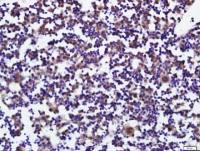
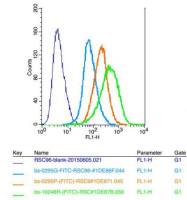
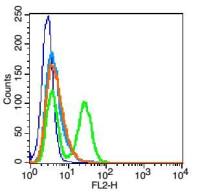
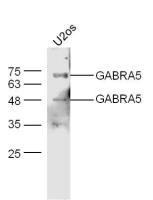
细胞内流钾通道蛋白Kir5.1抗体
- 宿主:
Rabbit
- 适应物种:
Human, Mouse, Rat, Dog, Horse, Rabbit,
- 免疫原:
KLH conjugated synthetic peptide derived from human KIR5.1:101-200/418 <Extracellular>
- 亚型:
IgG
- 形态:
Lyophilized or Liquid
- 应用范围:
ELISA=1:500-1000 IHC-P=1:400-800 IHC-F=1:400-800 ICC=1:100-500 IF=1:100-500 (石蜡切片需做抗原修复)
- 浓度:
1mg/ml
- 保存条件:
Store at -20 °C
- 规格:
100ul 200ul
| 英文名称 | KIR5.1 |
| 中文名称 | 细胞内流钾通道蛋白Kir5.1抗体 |
| 别 名 | 6430410F18Rik; AI132396; BIR9; Inward rectifier K channel Kir5.1; Inward rectifier K(+) channel Kir5.1; Inward rectifier potassium channel 16; IRK16; IRKG; KCNJ16; MGC33717; Potassium channel inwardly rectifying subfamily J member 16; Potassium inwardly rectifying channel subfamily J member 16; RP23-218O16.1; IRK16_HUMAN. |
| 规格价格 | 100ul/1380元 购买 200ul/2200元 购买 大包装/询价 |
| 说 明 书 | 100ul 200ul |
| 研究领域 | 肿瘤 细胞生物 神经生物学 信号转导 通道蛋白 细胞膜受体 新陈代谢 |
| 抗体来源 | Rabbit |
| 克隆类型 | Polyclonal |
| 交叉反应 | Human, Mouse, Rat, Dog, Horse, Rabbit, |
| 产品应用 | ELISA=1:500-1000 IHC-P=1:400-800 IHC-F=1:400-800 ICC=1:100-500 IF=1:100-500 (石蜡切片需做抗原修复) not yet tested in other applications. optimal dilutions/concentrations should be determined by the end user. |
| 分 子 量 | 48kDa |
| 细胞定位 | 细胞膜 |
| 性 状 | Lyophilized or Liquid |
| 浓 度 | 1mg/ml |
| 免 疫 原 | KLH conjugated synthetic peptide derived from human KIR5.1:101-200/418 <Extracellular> |
| 亚 型 | IgG |
| 纯化方法 | affinity purified by Protein A |
| 储 存 液 | 0.01M TBS(pH7.4) with 1% BSA, 0.03% Proclin300 and 50% Glycerol. |
| 保存条件 | Store at -20 °C for one year. Avoid repeated freeze/thaw cycles. The lyophilized antibody is stable at room temperature for at least one month and for greater than a year when kept at -20°C. When reconstituted in sterile pH 7.4 0.01M PBS or diluent of antibody the antibody is stable for at least two weeks at 2-4 °C. |
| PubMed | PubMed |
| 产品介绍 | background: The KIR family of potassium channels possess a greater tendency to allow potassium to flow into the cell rather than out of it. Kir4.1, also known as Kir1.2, is highly expressed in brain including glial cells, astrocytes and cortical neurons. Kir4.1 is also expressed in myelin-synthesizing oligodendrocytes and is crucial to myelination in the developing nervous system. The gene encoding human Kir4.1 maps to chromosome 1. Kir4.2, also known as Kir1.3, is expressed in kidney, lung, heart, thymus and thyroid during development. The gene encoding human Kir4.2 maps to chromosome 21 in the Down syndrome chromosome region 1, and Kir4.2 may play a role in the pathogenesis of Down’s syndrome. Kir 5.1 forms functional channels only by coexpression with either Kir4.1 or Kir4.2 in the kidney and pancreas. The gene encoding human Kir5.1 maps to chromosome 17. Function: KIR5.1 is one of 20 members of the inwardly rectifying potassium (Kir) channel family. Due to its expression in kidney, pancreas and thyroid gland, it has been suggested that human KIR5.1 may be involved in the regulation of fluid and pH balance, thus making it a potential therapeutic target for hypertension, renal failure, or pancreatic disease. Subunit: Seems to form heterodimer with Kir4.1/KCNJ10 or Kir2.1/KCNJ2. Subcellular Location: Membrane; Multi pass membrane protein. Tissue Specificity: Highly expressed in kidney, pancreas and thyroid gland. Similarity: Belongs to the inward rectifier-type potassium channel (TC 1.A.2.1) family. KCNJ16 subfamily. SWISS: Q6PI47 Gene ID: 3773 Database links: Entrez Gene: 3773 Human Entrez Gene: 16517 Mouse Entrez Gene: 29719 Rat Omim: 605722 Human SwissProt: Q9NPI9 Human SwissProt: Q9Z307 Mouse SwissProt: P52191 Rat Unigene: 463985 Human Unigene: 1989 Rat Important Note: This product as supplied is intended for research use only, not for use in human, therapeutic or diagnostic applications. |
风险提示:丁香通仅作为第三方平台,为商家信息发布提供平台空间。用户咨询产品时请注意保护个人信息及财产安全,合理判断,谨慎选购商品,商家和用户对交易行为负责。对于医疗器械类产品,请先查证核实企业经营资质和医疗器械产品注册证情况。
 文献和实验
文献和实验茨海默病、癫痫、脊髓损伤、精神分裂症等。光遗传学技术基本原理简单地说,光遗传学技术即借助遗传学手段,将能够对光起响应的通道蛋白表达在特定细胞中,实现通过光来激活或抑制神经元活动的目标。其中,激活或抑制的原理在于不同通道对阳离子或阴离子的通透:如果转入细胞的通道是ChR通道,那么在细胞接受蓝色激光照射时通道开放,阳离子内流,会产生去极化电位,诱发动作电位的发出,激活细胞;如果转入细胞的是HR一类通道的话,细胞接受黄色激光照射时阴离子内流,产生超极化电位,导致动作电位不易发放,抑制细胞活动;此外,还有一类光激活
2026医学诺奖解读:什么是光遗传学?原理、技术与应用全揭秘
科学的核心使能平台,未来有望应用于帕金森氏病、阿尔茨海默病、癫痫、脊髓损伤、精神分裂症等多种神经和精神疾病的治疗。 光遗传学技术基本原理 简单地说,光遗传学技术即借助遗传学手段,将能够对光起响应的通道蛋白表达在特定细胞中,实现通过光来激活或抑制神经元活动的目标。其中,激活或抑制的原理在于不同通道对阳离子或阴离子的通透:如果转入细胞的通道是ChR通道,那么在细胞接受蓝色激光照射时通道开放,阳离子
。 3、环核苷酸门通道 CNG通道与电压门钾通道结构相似,也有6个跨膜片段。细胞内的C末端较长,上面有环核苷酸的结合位点。 CNG通道分布于化学感受器和光感受器中,与膜外信号的转换有关。 如气味分子与化学感受器中的G蛋白偶联型受体结合,可激活腺苷酸环化酶,产生cAMP,开启cAMP门控阳离子通道(cAMPgatedcation channel),引起钠离子内流,膜去极化,产生神经冲动,最终形成嗅觉或味觉。 4、机械门通道 感受摩擦力、压力、牵拉力、重力、剪切力等。细胞将机械刺激的信号转化为电化学信号
 技术资料
技术资料暂无技术资料 索取技术资料

