

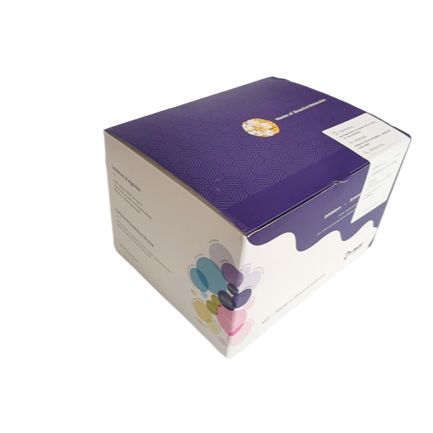
- ¥450
- medchemexpress(MCE)
- 美国
- HY-17502
- 2025年07月11日

企业认证
相关产品推荐更多 >
万千商家帮你免费找货
0 人在求购买到急需产品
- 详细信息
- 文献和实验
- 技术资料
- 保存条件:
4℃
- 保质期:
详见说明
- 英文名:
Simvastatin
- 库存:
充足
- 供应商:
杭州昊鑫生物
- CAS号:
79902-63-9
- 规格:
10mg
Simvastatin (Synonyms: 辛伐他汀; MK 733)
Simvastatin (MK 77333) 是一种具有口服活性的 HMG-CoA 还原酶 (HMGCR) 竞争性抑制剂, Ki 为 0.2 nM。Simvastatin 可减少胆固醇的合成,降低血液中的胆固醇水平。Simvastatin 对癌细胞表现出抗增殖活性,并能诱导细胞凋亡 (apoptosis)。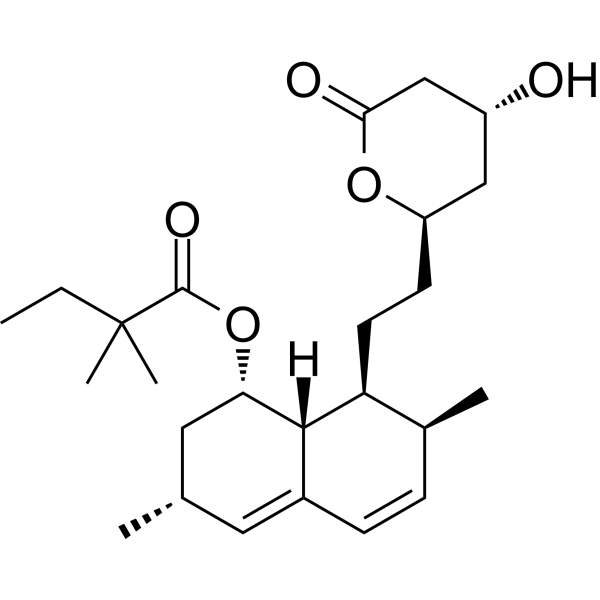
美国medchemexpress(MCE)浙江省一级代理:杭州昊鑫生物科技股份有限公司
MCE中国是全球领先的科研化学品和生物活性化合物供应商,总部位于美国新泽西。我们的产品范围覆盖各种抑制剂、激动剂、API和化合物库。专业、高效的企业灵魂铸造了在行业的卓越地位。热情和充满活力的研发团队拥有着大量的化学和生物科学家。专注于生物活性化合物,拥有着多年的发展历程和丰富的行业经验。
生物活性
Simvastatin (MK 733) is a competitive inhibitor of HMG-CoA reductase with a Ki of 0.2 nM.
IC50 & Target
Ki: 0.2 nM (HMG-CoA reductase)[1]
体外研究
(In Vitro)
Simvastatin is an inactive drug precursor that has no drug activity itself and must be metabolized into its hydroxy acid form in the liver to function. In vitro experiments, it can be activated by sodium hydroxide (NaOH).
Simvastatin suppresses cholesterol synthesis in mouse L-M cell, rat H4II E cell, and human Hep G2 cell with IC50s of 19.3 nM, 13.3 nM and 15.6 nM, respectively[1].
Simvastatin causes a dose-dependent increase in serine 473 phosphorylation of Akt within 30 minutes, with maximal phosphorylation occurring at 1.0 µM[2].
Simvastatin (1.0 μM) enhances phosphorylation of the endogenous Akt substrate endothelial nitric oxide synthase (eNOS), inhibits serum-free media undergo apoptosis and accelerates vascular structure formation[2].
Simvastatin shows anti-inflammatory effects, reduces anti-CD3/anti-CD28 antibody-stimulated proliferation of PB-derived mononuclear cells and synovial fluid cells from rheumatoid arthritis blood, as well as IFN-γ release at 10 μM[3].
Simvastatin (10 μM) also blocks cell-mediated macrophage TNF-γ release induced via cognate interactions by appr 30%[3].
Simvastatin (5 μM) significantly reduces the expression of ABCA1 in astrocytes and neuroblastoma cells, the expression of apolipoprotein E in astrocytes, and increases cyclin-dependent kinase 5 and glycogen synthase kinase 3β expression in SK-N-SH cells[7].
Simvastatin has the ability to inhibit exosome release[10].
Simvastatin (32 and 64 μM; 24, 48, and 72 h) inhibits tumor cell growth, arrests in the G0/G1 phase[11].
Simvastatin (32 and 64 μM; 48 h) induces apoptosis in HepG2 and Huh7 cells[11].
Cell Proliferation Assay[11]
Cell Line: HepG2 and Huh7 cells
Concentration: 32 and 64 μM
Incubation Time: 24, 48, and 72 hours
Result: Inhibited tumor cell growth as compared to controls (ctrl, p<0.05).
体内研究
(In Vivo)
Simvastatin suppresses the conversion of radiolabeled acetate to cholesterol with an IC50 of 0.2 mg/kg via p.o. administration[1]. Simvastatin (4 mg/day, p.o. for 13 weeks) returns the cholesterol-induced increases in total cholesterol, LDL-cholesterol and HDL-cholesterol to normal level in rabbits fed an atherogenci cholesterol-rich diet[4].
Simvastatin (6 mg/kg) increases LDL receptor-dependent binding and the number of hepatic LDL receptors in rabbits fed a diet containing 0.25% cholesterol[5].
Simvastatin (20 mg/kg/day) causes a 1.3-fold less macrophage content in lesions, and 2-fold less vascular cell adhesion molecule-1, interleukin-1beta, and tissue factor expression, companied by a 2.1-fold increases in lesional smooth muscle cell and collagen content in cynomolgus monkeys fed an atherogenic diet[6].
Simvastatin (oral gavage; 15 and 30 mg/kg; once daily; 14 d) treatment attenuats oxidative damage, TNF-a and IL-6 levels, and restores itochondrial enzyme complex activities[12].
Animal Model: Male wistar rats with oxidative damage by Intrastriatal 6-OHDA administration[12]
Dosage: 15 and 30 mg/kg
Administration: Oral gavage; 15 and 30 mg/kg; once daily; 14 days
Result: Attenuated oxidative damage (reduced MDA, nitrite levels and restoration of reduced GSH) , attenuated TNF-a and IL-6 levels, and restored itochondrial enzyme complex activities as compared to 6-OHDA group.
分子量
418.57
性状
Solid
Formula
C25H38O5
CAS 号
79902-63-9
中文名称
辛伐他汀;辛伐他丁
运输条件
Room temperature in continental US; may vary elsewhere.
储存方式
Powder -20°C 3 years
4°C 2 years
In solvent -80°C 6 months
-20°C 1 month
溶解性数据
In Vitro:
Ethanol : 100 mg/mL (238.91 mM; Need ultrasonic)
DMSO : ≥ 50 mg/mL (119.45 mM)
* "≥" means soluble, but saturation unknown.
配制储备液
浓度溶剂体积质量 1 mg 5 mg 10 mg
1 mM 2.3891 mL 11.9454 mL 23.8909 mL
5 mM 0.4778 mL 2.3891 mL 4.7782 mL
10 mM 0.2389 mL 1.1945 mL 2.3891 mL
*
请根据产品在不同溶剂中的溶解度选择合适的溶剂配制储备液;一旦配成溶液,请分装保存,避免反复冻融造成的产品失效。
储备液的保存方式和期限:-80°C, 6 months; -20°C, 1 month。-80°C 储存时,请在 6 个月内使用,-20°C 储存时,请在 1 个月内使用。
In Vivo:
请根据您的实验动物和给药方式选择适当的溶解方案。以下溶解方案都请先按照 In Vitro 方式配制澄清的储备液,再依次添加助溶剂:
——为保证实验结果的可靠性,澄清的储备液可以根据储存条件,适当保存;体内实验的工作液,建议您现用现配,当天使用; 以下溶剂前显示的百
分比是指该溶剂在您配制终溶液中的体积占比;如在配制过程中出现沉淀、析出现象,可以通过加热和/或超声的方式助溶
1.
请依序添加每种溶剂: 50% PEG300 50% saline
Solubility: 10 mg/mL (23.89 mM); Suspended solution; Need ultrasonic
2.
请依序添加每种溶剂: 10% DMSO 40% PEG300 5% Tween-80 45% saline
Solubility: ≥ 2.5 mg/mL (5.97 mM); Clear solution
3.
请依序添加每种溶剂: 10% DMSO 90% (20% SBE-β-CD in saline)
Solubility: 2.5 mg/mL (5.97 mM); Suspended solution; Need ultrasonic
4.
请依序添加每种溶剂: 10% DMSO 90% corn oil
Solubility: ≥ 2.5 mg/mL (5.97 mM); Clear solution
5.
请依序添加每种溶剂: 10% EtOH 90% (20% SBE-β-CD in saline)
Solubility: ≥ 2.5 mg/mL (5.97 mM); Clear solution
6.
请依序添加每种溶剂: 10% EtOH 90% corn oil
Solubility: ≥ 2.5 mg/mL (5.97 mM); Clear solution
风险提示:丁香通仅作为第三方平台,为商家信息发布提供平台空间。用户咨询产品时请注意保护个人信息及财产安全,合理判断,谨慎选购商品,商家和用户对交易行为负责。对于医疗器械类产品,请先查证核实企业经营资质和医疗器械产品注册证情况。
 文献和实验
文献和实验醇向胆汁酸转化的限速酶――7-α羟化酶更多地处于激活状态,肝中胆固醇向胆汁酸转化加强。胆汁酸也是肠道吸收胆固醇所必需,树脂与胆汁酸络合,也影响胆固醇吸收。以上作用使肝中胆固醇水平下降,肝脏产生代偿性改变:一是肝细胞表面LDL受体数量增加,促进血浆中LDL向肝中转移,导致血浆LDL-c和TC浓度下降。另一改变是羟甲基戊二酰辅酶A(HMG-Co A)还原酶(肝脏合成胆固醇限速酶)活性增加,使肝脏胆固醇合成增多。因此,本类药物与HMG-CoA还原酶抑制剂合用,降脂作用增强。 【临床应用】用于Ⅱa型
合成品。除mevastatin外此类药物均广泛应用于临床。本类药物是非常有效的降低血浆胆固醇的药物,它们的化学结构如下。 洛伐他汀 Lovastatin 编辑本段 回目录 Lovastatin是从红曲霉菌培养液中提取的霉菌代谢产物。口服后被水解,内酯环打开,变成有活性的羟基酸,是第一个应用于临床的有效的HMG-CoA还原酶抑制剂。 【药理作用与机制】 1.调血脂作用 本药对肝脏有高度的选择性。口服后能剂量依赖性地降低血浆TC 和LDL-C水平。大剂量
【思路解读】一篇 10 分 SCI 文章,教你入手「铁死亡」的国自然课题设计思路
中标 2021 年国自然尽上绵薄之力! 一、「铁死亡」简介 1. 什么是「铁死亡」 「铁死亡」,是 2012 年由 Dr. Brent R Stockwell 实验室首次发现的一种铁离子依赖性的非凋亡性细胞坏死。 「铁死亡」是依赖铁离子及活性氧诱导脂质过氧化导致的调节性细胞坏死,其在形态学、生物学及基因水平上均明显不同于凋亡、坏死、自噬等其他形式的调节性细胞坏死。 使用小分子物质(Fer-1)可以抑制细胞「铁死亡」,而坏死抑制剂却不能抑制细胞调节性细胞死亡 [1]。 图片来源:参考
 技术资料
技术资料暂无技术资料 索取技术资料

