

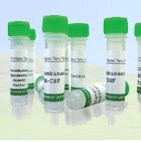
- ¥1080 - 87906
- PROSPEC
- 以色列
- cyt-925
- 2026年02月04日

企业认证
相关产品推荐更多 >

万千商家帮你免费找货
0 人在求购买到急需产品
相关阅读
源叶生物 十万种现货试剂速发,品质稳、品类全,实验不再等!Takara 秋促来袭,提取+反转录+定量套装仅 1200 元abinScience 体内级抗体 全年锁价 低至 ¥1200阿拉丁 22万+ 科研级产品现货速发,品质严控、科研无忧- 详细信息
- 文献和实验
- 技术资料
- 保存条件:
for future use below -18°C
- 保质期:
See instructions
- 英文名:
AITR
- 库存:
部分小规格有备货
- 供应商:
上海经科化学科技有限公司
- 规格:
2ug/10ug/1mg
| 规格: | 2ug | 产品价格: | ¥1080.0 |
|---|---|---|---|
| 规格: | 10ug | 产品价格: | ¥2415.0 |
| 规格: | 1mg | 产品价格: | ¥87906.0 |

CATALOGUE NUMBER
CYT-925
SYNONYMS
DESCRIPTION
AITR is fused to an 8 amino acid His-tag at C-terminus & purified by proprietary chromatographic techniques.
SOURCE
PHYSICAL APPEARANCE
FORMULATION
STABILITY
For long term storage it is recommended to add a carrier protein (0.1% HSA or BSA).
Avoid multiple freeze-thaw cycles.
PURITY
SAFETY DATA SHEET
SDS
AMINO ACID SEQUENCE
USAGE
BACKGROUND
AITR Human Recombinant: Unveiling its Role in Immune Regulation and Therapeutic Potential
1. Abstract
This research paper aims to provide a comprehensive exploration of the AITR Human Recombinant, a crucial receptor involved in immune regulation. By examining its structure, signaling pathways, biological functions, and implications in disease, we unravel the potential therapeutic applications of AITR in immune-related disorders.
2. Introduction
AITR, also known as TNFRSF18, is a receptor protein that plays a vital role in immune regulation. With its involvement in T-cell responses and immune tolerance, AITR has emerged as an intriguing target for therapeutic interventions in various immune-mediated conditions.
3. Structure and Signaling of AITR
AITR is a transmembrane receptor protein belonging to the tumor necrosis factor receptor superfamily. Its extracellular domain interacts with its ligand, glucocorticoid-induced TNFR-related protein (GITR) ligand, leading to downstream signaling events that modulate immune cell function.
4. Biological Functions of AITR
AITR activation influences T-cell responses by regulating T-cell activation, proliferation, and cytokine production. Additionally, AITR signaling can modulate the balance between effector and regulatory T-cell populations, thereby playing a role in immune tolerance and immune homeostasis.
5. AITR in Disease Pathology
AITR dysregulation has been associated with various immune-related disorders, including autoimmune diseases, cancer, and transplant rejection. Understanding the role of AITR in these pathologies may provide insights into potential therapeutic strategies targeting AITR signaling.
6. Therapeutic Potential of AITR
The unique role of AITR in immune regulation makes it an appealing target for therapeutic interventions. Modulation of AITR signaling holds promise for manipulating immune responses in the context of autoimmune diseases, cancer immunotherapy, and transplantation.
7. Conclusion and Future Perspectives
While our understanding of AITR and its functions has advanced significantly, further research is warranted to unravel its complex signaling pathways and therapeutic potential. Continued investigations into AITR biology will enhance our ability to develop targeted therapies for immune-related disorders.
风险提示:丁香通仅作为第三方平台,为商家信息发布提供平台空间。用户咨询产品时请注意保护个人信息及财产安全,合理判断,谨慎选购商品,商家和用户对交易行为负责。对于医疗器械类产品,请先查证核实企业经营资质和医疗器械产品注册证情况。
 文献和实验
文献和实验AITR Human Recombinant produced in Sf9 Baculovirus is a single, glycosylated polypeptide chain containing 145 amino acids (26-162a.a.) and having a molecular mass of 15.6kDa (Migrates at 18-28kDa on SDS-PAGE under reducing conditions).
AITR is fused to an 8 amino acid His-tag at C-terminus & purified by proprietary chromatographic techniques.
Construction of Recombinant Human Cytomegalovirus
The use of reverse genetics to generate recombinant viruses allows the researcher to investigate the exact functional significance of particular viral genes during the virus life cycle, by means of their deletion or modification in the viral
Delivery of Recombinant Adenoviruses to Human Saphenous Vein
The human saphenous vein is the most commonly used conduit for coronary artery bypass grafting owing to its ready availability, ease of harvesting, and favorable surgical handling (1 ). However, it suffers from a progressive decline
Recombinant Genetic Libraries and Human Monoclonal Antibodies
In order to comprehensively manipulate the human proteome we require a vast repertoire of pharmacological reagents. To address these needs we have developed repertoires of synthetic antibodies by phage display, where diversified
 技术资料
技术资料
