

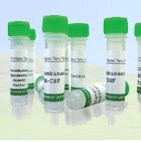
- ¥1080 - 79695
- PROSPEC
- 以色列
- cyt-697
- 2026年02月04日

企业认证
相关产品推荐更多 >

万千商家帮你免费找货
0 人在求购买到急需产品
相关阅读
细胞污染识别与处理全攻略:5 种常见类型+关键误区Cytoscape 教程来了!快速实现顶刊同款通路网络图五大应用案例:Mustang Q 膜层析应用全解析1 个小工具,一次性搞定流程图、质粒图谱和信号通路图- 详细信息
- 询价记录
- 文献和实验
- 技术资料
- 保存条件:
for future use below -18°C
- 保质期:
See instructions
- 英文名:
AIF1
- 库存:
部分小规格有备货
- 供应商:
上海经科化学科技有限公司
- CAS号:
无
- 规格:
2ug/10ug/1mg
| 规格: | 2ug | 产品价格: | ¥1080.0 |
|---|---|---|---|
| 规格: | 10ug | 产品价格: | ¥2415.0 |
| 规格: | 1mg | 产品价格: | ¥79695.0 |

CATALOGUE NUMBER
CYT-697
SYNONYMS
INTRODUCTION
DESCRIPTION
SOURCE
PHYSICAL APPEARANCE
FORMULATION
SOLUBILITY
Add deionized water and let the lyophilized pellet dissolve completely.
STABILITY
The lyophilized protein remains stable for 24 months when stored at -20°C.
AMINO ACID SEQUENCE
PURITY
SAFETY DATA SHEET
SDS
USAGE
BACKGROUND
Allograft Inflammatory Factor 1 Human Recombinant: Uncovering its Role in Immune Responses and Therapeutic Prospects
1. Abstract
This paper explores the Allograft Inflammatory Factor 1 Human Recombinant (AIF-1), a cytoplasmic, IFN-gamma-inducible calcium-binding protein involved in inflammation and immunity. We review the structure, biological roles, and involvement of AIF-1 in disease pathology. The therapeutic potential of AIF-1 in immune-related disorders is also explored.
2. Introduction
AIF-1, also known as IBA1, plays an important role in immune responses. It is associated with various immune cells, particularly macrophages, and has been implicated in numerous inflammatory and immune-related diseases. Understanding the function of AIF-1 could aid the development of novel therapeutic strategies.
3. Structure and Signaling of AIF-1
AIF-1 is a small 17 kDa protein with an EF-hand calcium-binding motif. Although the precise mechanism by which AIF-1 exerts its functions is not entirely clear, it is known to regulate the activation, migration, and proliferation of macrophages, key cells involved in immune responses.
4. Biological Functions of AIF-1
AIF-1 has been shown to play key roles in macrophage activation and function, which are central to inflammation and immunity. It is also implicated in cell survival, proliferation, and differentiation.
5. AIF-1 in Disease Pathology
AIF-1 has been associated with a range of inflammatory and immune-related diseases, including rheumatoid arthritis, atherosclerosis, and multiple sclerosis. It is also implicated in several cancers, further underscoring its broad physiological and pathological relevance.
6. Therapeutic Potential of AIF-1
Given its pivotal role in immune responses, AIF-1 presents an intriguing target for therapeutic interventions in immune-related diseases. Modulating the activity of AIF-1 could potentially alleviate pathological inflammation and autoimmunity.
7. Conclusion and Future Perspectives
Our knowledge of AIF-1 and its functions has significantly improved in recent years, but much remains to be discovered. Further research into AIF-1's exact molecular mechanisms and roles in disease will undoubtedly contribute to the development of novel therapeutic strategies.
风险提示:丁香通仅作为第三方平台,为商家信息发布提供平台空间。用户咨询产品时请注意保护个人信息及财产安全,合理判断,谨慎选购商品,商家和用户对交易行为负责。对于医疗器械类产品,请先查证核实企业经营资质和医疗器械产品注册证情况。
 询价记录
询价记录 暂无询价记录
 文献和实验
文献和实验Human AIF1 protein shares 98% homology/identity with that of rat. AIF1 is expressed in macrophages and neutrophils. The expression of AIF1 transcripts is upregulated by IFN-g in rat macrophages. AIF1 is expressed selectively in human macrophage-like cell lines, and in a subset of CD68(+) macrophages in the interstitial and perivascular spaces of human heart allografts. In quiescent cultured human vascular smooth muscle cells synthesis of AIF1 is induced by IFN-g, IL1b, and conditioned medium of T-cells. Overexpression of AIF1 in human VSMCs results in enhanced growth of these cells. AIF1 is expressed during apoptosis rat mammary gland and ventral prostate tissues. Allograft Inflammatory Factor 1 is expressed by several tumor-associated activated macrophages and microglial cells in rat and human gliomas. There is an evident relationship of AIF1-expressing activated macrophages and microglial cells with tumor malignancy in humans.
Secretion of Recombinant Human Insulin-Like Growth Factor I (IGF-I)
The development of efficient recombinant protein production processes can be a critical factor in whether or not a pharmaceutical therapeutic protein can enter human clinical trials and ultimately the marketplace. This is especially true
Therapeutic Human Monoclonal Antibodies in Inflammatory Diseases
almost any cell surface or secreted molecule with remarkable efficacy and safety. In this chapter, the application of human mAbs in the treatment of inflammatory diseases is reviewed. We discuss in detail several mAb-based drugs such as anti-tumor necrosis factor
The large number of cytokines and growth factors implicated in the regulation of liver regeneration has led to the possibility of using these molecules in therapy, namely, in the case of recombinant human hepatocyte growth factor (rhHGF
 技术资料
技术资料
