




研选同类产品更多 >
万千商家帮你免费找货
0 人在求购买到急需产品
相关阅读
细胞污染识别与处理全攻略:5 种常见类型+关键误区Cytoscape 教程来了!快速实现顶刊同款通路网络图五大应用案例:Mustang Q 膜层析应用全解析1 个小工具,一次性搞定流程图、质粒图谱和信号通路图- 详细信息
- 用户评价
- 文献和实验
- 技术资料
- 库存:
充足
- 英文名:
Human R-Spondin 1 Recombinant Protein
- 规格:
500μg
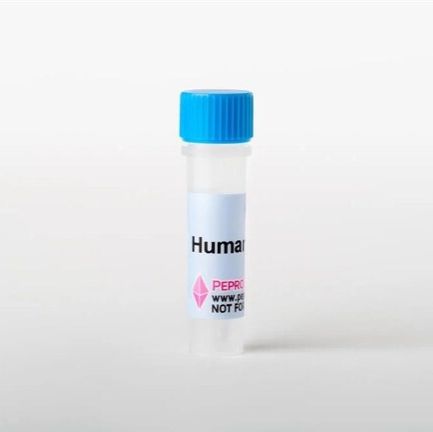
Human R-Spondin 1 Recombinant Protein(500 µg)
R-Spondin-1(Rspo-1)属于Wnt调节因子(Rspo)家族。目前该家族包含四个结构相关的分泌型配体(Rspo 1-4),均含有弗林蛋白酶样结构域和血小板反应蛋白结构域。Rspo-1在发育中的中枢神经系统特定区域表达,同时也在肾上腺、卵巢、睾丸、甲状腺和气管中表达。Rspo能够以特定方式与Frizzled/LRP6受体复合物相互作用,从而激活Wnt/β-catenin信号通路。
|
Product Details |
|||
|
Size |
500 µg |
||
|
Species |
Human |
||
|
Published Species |
Dog, Pig, Bovine, Mouse, Human, Xenopus |
||
|
Expression system |
CHO cells |
||
|
Amino acid sequence |
SRGIKGKRQR RISAEGSQAC AKGCELCSEV NGCLKCSPKL FILLERNDIR QVGVCLPSCP PGYFDARNPD MNKCIKCKIE HCEACFSHNF CTKCKEGLYL HKGRCYPACP EGSSAANGTM ECSSPAQCEM SEWSPWGPCS KKQQLCGFRR GSEERTRRVL HAPVGDHAAC SDTKETRRCT VRRVPCPEGQ KRRKGGQGRR ENANRNLARK ESKEAGAGSR RRKGQQQQQQ QGTVGPLTSA GPA |
||
|
Molecular weight |
26.7 kDa |
||
|
Class |
Recombinant |
||
|
Type |
Protein |
||
|
Purity |
95% by SDS-PAGE gel and HPLC analyses. |
||
|
Endotoxin concentration |
<1 EU/µg |
||
|
Activity |
R-Spondin-1 enhances BMP-2-mediated differentiation of MC3T3-E1 cells. The expected ED50 is 1.0-3.0 ug/ml. |
||
|
Conjugate |
Unconjugated |
||
|
Form |
Lyophilized |
||
|
Purification |
purified |
||
|
Contains |
no preservative |
||
|
Storage conditions |
-20°C |
||
|
|
|||
|
Applications |
Tested Dilution |
Publications |
|
|
Immunohistochemistry (IHC) |
- |
1 Publication |
|
|
Functional Assay (Functional) |
Assay-dependent |
- |
|
|
In vitro Assay (IV) |
- |
59 Publications |
|
|
Miscellaneous PubMed (Misc) |
- |
18 Publications |
|
Product Specific Information
120-38-1MG will be provided as 2 x 500 µg (120-38-500UG).
Recombinant Human R-Spondin-1 is a 26.7 kDa protein consisting of 243 amino acid residues. Due to glycosylation, R- Spondin-1 migrates at an apparent molecular weight of approximately 40.0 kDa by SDS-PAGE analysis under reducing conditions.
This product is shipped at ambient temperature. For storage, handling and reconstitution information, please see the lot- specific Certificate of Analysis
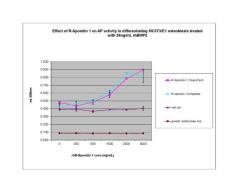 |
Human R-Spondin 1 Protein (120-38-500UG) in Functional |
| Bioassay analysis of Human R-Spondin 1 Recombinant Protein, PeproTech® (Product # 120-38-1MG). |
风险提示:丁香通仅作为第三方平台,为商家信息发布提供平台空间。用户咨询产品时请注意保护个人信息及财产安全,合理判断,谨慎选购商品,商家和用户对交易行为负责。对于医疗器械类产品,请先查证核实企业经营资质和医疗器械产品注册证情况。
 用户评价
用户评价 暂无用户评价
 文献和实验
文献和实验[1] Raffo-Romero A, Ziane-Chaouche L, Hajjaji N, Salzet M, Duhamel M. Protocol for generating a co-culture of macrophages with breast cancer tumoroids. STAR Protoc. 2025;6(1):103536. doi:10.1016/j.xpro.2024.103536
[2] Molinuevo R, Menendez J, Cadle K, et al. Physiological DNA damage promotes functional endoreplication of mammary gland alveolar cells during lactation. Nat Commun. 2024;15(1):3288. Published 2024 Apr 17. doi:10.1038/s41467-024-47668-9
[3] Liu F, Lin Q, Shen S, et al. Secretion of WNT7A by UC-MSCs assist in promoting the endometrial epithelial regeneration. iScience. 2024;27(6):109888. Published 2024 May 3. doi:10.1016/j.isci.2024.109888
[4] Pereira VM, Pinto PAF, Motta LCB, et al. Initial Characterization of 3D Culture of Yolk Sac Tissue. Animals (Basel). 2023;13(9):1435. Published 2023 Apr 22. doi:10.3390/ani13091435
[5] Buchanan KL, Rupprecht LE, Kaelberer MM, et al. The preference for sugar over sweetener depends on a gut sensor cell. Nat Neurosci. 2022;25(2):191-200. doi:10.1038/s41593-021-00982-7
[6] Nakamura K, Reid BM, Chen A, et al. Functional analysis of the 1p34.3 risk locus implicates GNL2 in high-grade serous ovarian cancer. Am J Hum Genet. 2022;109(1):116-135. doi:10.1016/j.ajhg.2021.11.020
[7] Wang M, Yu H, Zhang T, et al. In-Depth Comparison of Matrigel Dissolving Methods on Proteomic Profiling of Organoids. Mol Cell Proteomics. 2022;21(1):100181. doi:10.1016/j.mcpro.2021.100181
[8] Karvas RM, Khan SA, Verma S, et al. Stem-cell-derived trophoblast organoids model human placental development and susceptibility to emerging pathogens. Cell Stem Cell. 2022;29(5):810-825.e8. doi:10.1016/j.stem.2022.04.004
[9] Chaves-Pérez A, Santos-de-Frutos K, de la Rosa S, Herranz-Montoya I, Perna C, Djouder N. Transit-amplifying cells control R-spondins in the mouse crypt to modulate intestinal stem cell proliferation. J Exp Med. 2022;219(11):e20212405. doi:10.1084/jem.20212405
[10] Koikawa K, Kibe S, Suizu F, et al. Targeting Pin1 renders pancreatic cancer eradicable by synergizing with immunochemotherapy. Cell. 2021;184(18):4753-4771.e27. doi:10.1016/j.cell.2021.07.020
[11] Moon S, Park Y, Hyeon S, et al. Niche-specific MHC II and PD-L1 regulate CD4+CD8αα+ intraepithelial lymphocyte differentiation. J Exp Med. 2021;218(4):e20201665. doi:10.1084/jem.20201665
[12] Tajan M, Hennequart M, Cheung EC, et al. Serine synthesis pathway inhibition cooperates with dietary serine and glycine limitation for cancer therapy. Nat Commun. 2021;12(1):366. Published 2021 Jan 14. doi:10.1038/s41467-020-20223-y
[13] Jurásek M, Kumar J, Paclíková P, et al. Phosphorylation-induced changes in the PDZ domain of Dishevelled 3. Sci Rep. 2021;11(1):1484. Published 2021 Jan 15. doi:10.1038/s41598-020-79398-5
[14] Jurásek M, Kumar J, Paclíková P, et al. Phosphorylation-induced changes in the PDZ domain of Dishevelled 3. Sci Rep. 2021;11(1):1484. Published 2021 Jan 15. doi:10.1038/s41598-020-79398-5
[15] Della Chiara G, Gervasoni F, Fakiola M, et al. Epigenomic landscape of human colorectal cancer unveils an aberrant core of pan-cancer enhancers orchestrated by YAP/TAZ. Nat Commun. 2021;12(1):2340. Published 2021 Apr 20. doi:10.1038/s41467-021-22544-y
[16] Cheung VC, Peng CY, Marinić M, et al. Pluripotent stem cell-derived endometrial stromal fibroblasts in a cyclic, hormone-responsive, coculture model of human decidua. Cell Rep. 2021;35(7):109138. doi:10.1016/j.celrep.2021.109138
[17] Francés-Herrero E, Juárez-Barber E, Campo H, et al. Improved Models of Human Endometrial Organoids Based on Hydrogels from Decellularized Endometrium. J Pers Med. 2021;11(6):504. Published 2021 Jun 3. doi:10.3390/jpm11060504
[18] Hong HK, Yun NH, Jeong YL, et al. Establishment of patient-derived organotypic tumor spheroid models for tumor microenvironment modeling. Cancer Med. 2021;10(16):5589-5598. doi:10.1002/cam4.4114
[19] Lu J, Krepelova A, Rasa SMM, et al. Characterization of an in vitro 3D intestinal organoid model by using massive RNAseq-based transcriptome profiling. Sci Rep. 2021;11(1):16668. Published 2021 Aug 17. doi:10.1038/s41598-021-96321-8
[20] Lu J, Krepelova A, Rasa SMM, et al. Characterization of an in vitro 3D intestinal organoid model by using massive RNAseq-based transcriptome profiling. Sci Rep. 2021;11(1):16668. Published 2021 Aug 17. doi:10.1038/s41598-021-96321-8
[21] Radaszkiewicz T, Nosková M, Gömöryová K, et al. RNF43 inhibits WNT5A-driven signaling and suppresses melanoma invasion and resistance to the targeted therapy. Elife. 2021;10:e65759. Published 2021 Oct 27. doi:10.7554/eLife.65759
[22] Kwon OJ, Choi JM, Zhang L, et al. The Sca-1+ and Sca-1- mouse prostatic luminal cell lineages are independently sustained. Stem Cells. 2020;38(11):1479-1491. doi:10.1002/stem.3253
[23] Son YS, Ki SJ, Thanavel R, et al. Maturation of human intestinal organoids in vitro facilitates colonization by commensal lactobacilli by reinforcing the mucus layer. FASEB J. 2020;34(8):9899-9910. doi:10.1096/fj.202000063R
[24] Son YS, Ki SJ, Thanavel R, et al. Maturation of human intestinal organoids in vitro facilitates colonization by commensal lactobacilli by reinforcing the mucus layer. FASEB J. 2020;34(8):9899-9910. doi:10.1096/fj.202000063R
[25] Chang TH, Shanti RM, Liang Y, et al. LGR5+ epithelial tumor stem-like cells generate a 3D-organoid model for ameloblastoma. Cell Death Dis. 2020;11(5):338. Published 2020 May 7. doi:10.1038/s41419-020-2560-7
[26] Meir M, Burkard N, Ungewiß H, et al. Neurotrophic factor GDNF regulates intestinal barrier function in inflammatory bowel disease. J Clin Invest. 2019;129(7):2824-2840. Published 2019 Jun 17. doi:10.1172/JCI120261
[27] Volk JK, Nyström EEL, van der Post S, et al. The Nlrp6 inflammasome is not required for baseline colonic inner mucus layer formation or function. J Exp Med. 2019;216(11):2602-2618. doi:10.1084/jem.20190679
[28] Wagner S, Vlachogiannis G, De Haven Brandon A, et al. Suppression of interferon gene expression overcomes resistance to MEK inhibition in KRAS-mutant colorectal cancer. Oncogene. 2019;38(10):1717-1733. doi:10.1038/s41388-018-0554-z
[29] Katsumi T, Guicciardi ME, Azad A, Bronk SF, Krishnan A, Gores GJ. Activated cholangiocytes release macrophage-polarizing extracellular vesicles bearing the DAMP S100A11. Am J Physiol Cell Physiol. 2019;317(4):C788-C799. doi:10.1152/ajpcell.00250.2019
[30] Feldman A, Mukha D, Maor II, et al. Blimp1+ cells generate functional mouse sebaceous gland organoids in vitro. Nat Commun. 2019;10(1):2348. Published 2019 May 28. doi:10.1038/s41467-019-10261-6
[31] Segal JM, Kent D, Wesche DJ, et al. Single cell analysis of human foetal liver captures the transcriptional profile of hepatobiliary hybrid progenitors. Nat Commun. 2019;10(1):3350. Published 2019 Jul 26. doi:10.1038/s41467-019-11266-x
[32] Liu M, Sun T, Li N, et al. BRG1 attenuates colonic inflammation and tumorigenesis through autophagy-dependent oxidative stress sequestration. Nat Commun. 2019;10(1):4614. Published 2019 Oct 10. doi:10.1038/s41467-019-12573-z
[33] Seishima R, Leung C, Yada S, et al. Neonatal Wnt-dependent Lgr5 positive stem cells are essential for uterine gland development. Nat Commun. 2019;10(1):5378. Published 2019 Nov 26. doi:10.1038/s41467-019-13363-3
[34] Sachs N, de Ligt J, Kopper O, et al. A Living Biobank of Breast Cancer Organoids Captures Disease Heterogeneity. Cell. 2018;172(1-2):373-386.e10. doi:10.1016/j.cell.2017.11.010
[35] Kinchen J, Chen HH, Parikh K, et al. Structural Remodeling of the Human Colonic Mesenchyme in Inflammatory Bowel Disease. Cell. 2018;175(2):372-386.e17. doi:10.1016/j.cell.2018.08.067
[36] Sechet E, Telford E, Bonamy C, Sansonetti PJ, Sperandio B. Natural molecules induce and synergize to boost expression of the human antimicrobial peptide β-defensin-3. Proc Natl Acad Sci U S A. 2018;115(42):E9869-E9878. doi:10.1073/pnas.1805298115
[37] Koren E, Yosefzon Y, Ankawa R, et al. ARTS mediates apoptosis and regeneration of the intestinal stem cell niche. Nat Commun. 2018;9(1):4582. Published 2018 Nov 2. doi:10.1038/s41467-018-06941-4
[38] Haider S, Meinhardt G, Saleh L, et al. Self-Renewing Trophoblast Organoids Recapitulate the Developmental Program of the Early Human Placenta. Stem Cell Reports. 2018;11(2):537-551. doi:10.1016/j.stemcr.2018.07.004
[39] Kasendra M, Tovaglieri A, Sontheimer-Phelps A, et al. Development of a primary human Small Intestine-on-a-Chip using biopsy-derived organoids. Sci Rep. 2018;8(1):2871. Published 2018 Feb 13. doi:10.1038/s41598-018-21201-7
[40] Shibata W, Kinoshita H, Hikiba Y, et al. Overexpression of HER2 in the pancreas promotes development of intraductal papillary mucinous neoplasms in mice. Sci Rep. 2018;8(1):6150. Published 2018 Apr 18. doi:10.1038/s41598-018-24375-2
[41] Garnier D, Li R, Delbos F, et al. Expansion of human primary hepatocytes in vitro through their amplification as liver progenitors in a 3D organoid system. Sci Rep. 2018;8(1):8222. Published 2018 May 29. doi:10.1038/s41598-018-26584-1
[42] Bayrer JR, Wang H, Nattiv R, et al. LRH-1 mitigates intestinal inflammatory disease by maintaining epithelial homeostasis and cell survival. Nat Commun. 2018;9(1):4055. Published 2018 Oct 10. doi:10.1038/s41467-018-06137-w
[43] Bonamy C, Sechet E, Amiot A, et al. Expression of the human antimicrobial peptide β-defensin-1 is repressed by the EGFR-ERK-MYC axis in colonic epithelial cells. Sci Rep. 2018;8(1):18043. Published 2018 Dec 21. doi:10.1038/s41598-018-36387-z
[44] Sigal M, Logan CY, Kapalczynska M, et al. Stromal R-spondin orchestrates gastric epithelial stem cells and gland homeostasis. Nature. 2017;548(7668):451-455. doi:10.1038/nature23642
[45] Horiguchi H, Endo M, Kawane K, et al. ANGPTL2 expression in the intestinal stem cell niche controls epithelial regeneration and homeostasis. EMBO J. 2017;36(4):409-424. doi:10.15252/embj.201695690
[46] Zhang N, Huang H, Tan B, et al. Leucine-rich repeat-containing G protein-coupled receptor 4 facilitates vesicular stomatitis virus infection by binding vesicular stomatitis virus glycoprotein. J Biol Chem. 2017;292(40):16527-16538. doi:10.1074/jbc.M117.802090
[47] Bhattacharya N, Yuan R, Prestwood TR, et al. Normalizing Microbiota-Induced Retinoic Acid Deficiency Stimulates Protective CD8(+) T Cell-Mediated Immunity in Colorectal Cancer. Immunity. 2016;45(3):641-655. doi:10.1016/j.immuni.2016.08.008
[48] Fischer N, Sechet E, Friedman R, et al. Histone deacetylase inhibition enhances antimicrobial peptide but not inflammatory cytokine expression upon bacterial challenge. Proc Natl Acad Sci U S A. 2016;113(21):E2993-E3001. doi:10.1073/pnas.1605997113
[49] Kwon OJ, Zhang L, Xin L. Stem Cell Antigen-1 Identifies a Distinct Androgen-Independent Murine Prostatic Luminal Cell Lineage with Bipotent Potential. Stem Cells. 2016;34(1):191-202. doi:10.1002/stem.2217
[50] Coletta R, Roberts NA, Oltrabella F, Khalil BA, Morabito A, Woolf AS. Bridging the gap: functional healing of embryonic small intestine ex vivo. J Tissue Eng Regen Med. 2016;10(2):178-182. doi:10.1002/term.2073
[51] Anzai K, Chikada H, Tsuruya K, et al. Foetal hepatic progenitor cells assume a cholangiocytic cell phenotype during two-dimensional pre-culture. Sci Rep. 2016;6:28283. Published 2016 Jun 23. doi:10.1038/srep28283
[52] Jardé T, Lloyd-Lewis B, Thomas M, et al. Wnt and Neuregulin1/ErbB signalling extends 3D culture of hormone responsive mammary organoids. Nat Commun. 2016;7:13207. Published 2016 Oct 26. doi:10.1038/ncomms13207
[53] Zhu X, Messer JS, Wang Y, et al. Cytosolic HMGB1 controls the cellular autophagy/apoptosis checkpoint during inflammation. J Clin Invest. 2015;125(3):1098-1110. doi:10.1172/JCI76344
[54] Kido T, Koui Y, Suzuki K, et al. CPM Is a Useful Cell Surface Marker to Isolate Expandable Bi-Potential Liver Progenitor Cells Derived from Human iPS Cells. Stem Cell Reports. 2015;5(4):508-515. doi:10.1016/j.stemcr.2015.08.008
[55] Karthaus WR, Iaquinta PJ, Drost J, et al. Identification of multipotent luminal progenitor cells in human prostate organoid cultures. Cell. 2014;159(1):163-175. doi:10.1016/j.cell.2014.08.017
[56] Cooks T, Pateras IS, Tarcic O, et al. Mutant p53 prolongs NF-κB activation and promotes chronic inflammation and inflammation-associated colorectal cancer. Cancer Cell. 2013;23(5):634-646. doi:10.1016/j.ccr.2013.03.022
[57] Grant J, Lee E, Almeida M, et al. Establishment of physiologically relevant oxygen gradients in microfluidic organ chips. Lab Chip. 2022;22(8):1584-1593. Published 2022 Apr 12. doi:10.1039/d2lc00069e
[58] Yan Z, Qu J, Li Z, et al. NEK7 Promotes Pancreatic Cancer Progression And Its Expression Is Correlated With Poor Prognosis. Front Oncol. 2021;11:705797. Published 2021 Jul 6. doi:10.3389/fonc.2021.705797
[59] Sagara A, Nakata K, Matsumoto S, et al. Repositioning of duloxetine to target pancreatic stellate cells. Oncol Lett. 2021;22(4):744. doi:10.3892/ol.2021.13005
[60] Tajan M, Hennequart M, Cheung EC, et al. Serine synthesis pathway inhibition cooperates with dietary serine and glycine limitation for cancer therapy. Nat Commun. 2021;12(1):366. Published 2021 Jan 14. doi:10.1038/s41467-020-20223-y
[61] Maenhoudt N, Vankelecom H. Protocol for establishing organoids from human ovarian cancer biopsies. STAR Protoc. 2021;2(2):100429. Published 2021 Mar 31. doi:10.1016/j.xpro.2021.100429
[62] Liu LM, Tang Q, Hu X, et al. Arginine Methyltransferase PRMT1 Regulates p53 Activity in Breast Cancer. Life (Basel). 2021;11(8):789. Published 2021 Aug 5. doi:10.3390/life11080789
[63] Liu LM, Tang Q, Hu X, et al. Arginine Methyltransferase PRMT1 Regulates p53 Activity in Breast Cancer. Life (Basel). 2021;11(8):789. Published 2021 Aug 5. doi:10.3390/life11080789
[64] Li Q, Sun Y, Jarugumilli GK, et al. Lats1/2 Sustain Intestinal Stem Cells and Wnt Activation through TEAD-Dependent and Independent Transcription. Cell Stem Cell. 2020;26(5):675-692.e8. doi:10.1016/j.stem.2020.03.002
[65] Sheng W, Malagola E, Nienhüser H, et al. Hypergastrinemia Expands Gastric ECL Cells Through CCK2R+ Progenitor Cells via ERK Activation. Cell Mol Gastroenterol Hepatol. 2020;10(2):434-449.e1. doi:10.1016/j.jcmgh.2020.04.008
[66] Okkelman IA, Neto N, Papkovsky DB, Monaghan MG, Dmitriev RI. A deeper understanding of intestinal organoid metabolism revealed by combining fluorescence lifetime imaging microscopy (FLIM) and extracellular flux analyses. Redox Biol. 2020;30:101420. doi:10.1016/j.redox.2019.101420
[67] Marcon F, Zuo J, Pearce H, et al. NK cells in pancreatic cancer demonstrate impaired cytotoxicity and a regulatory IL-10 phenotype. Oncoimmunology. 2020;9(1):1845424. Published 2020 Nov 19. doi:10.1080/2162402X.2020.1845424
[68] Heuberger J, Hill U, Förster S, et al. A C/EBPα-Wnt connection in gut homeostasis and carcinogenesis. Life Sci Alliance. 2018;2(1):e201800173. Published 2018 Dec 26. doi:10.26508/lsa.201800173
[69] Hill SJ, Decker B, Roberts EA, et al. Prediction of DNA Repair Inhibitor Response in Short-Term Patient-Derived Ovarian Cancer Organoids. Cancer Discov. 2018;8(11):1404-1421. doi:10.1158/2159-8290.CD-18-0474
[70] Sigal M, Logan CY, Kapalczynska M, et al. Stromal R-spondin orchestrates gastric epithelial stem cells and gland homeostasis. Nature. 2017;548(7668):451-455. doi:10.1038/nature23642
[71] Paclíková P, Bernatík O, Radaszkiewicz TW, Bryja V. The N-Terminal Part of the Dishevelled DEP Domain Is Required for Wnt/β-Catenin Signaling in Mammalian Cells. Mol Cell Biol. 2017;37(18):e00145-17. Published 2017 Aug 28. doi:10.1128/MCB.00145-17
[72] Dietrich L, Rathmer B, Ewan K, et al. Cell Permeable Stapled Peptide Inhibitor of Wnt Signaling that Targets β-Catenin Protein-Protein Interactions. Cell Chem Biol. 2017;24(8):958-968.e5. doi:10.1016/j.chembiol.2017.06.013
[73] Gao D, Vela I, Sboner A, et al. Organoid cultures derived from patients with advanced prostate cancer. Cell. 2014;159(1):176-187. doi:10.1016/j.cell.2014.08.016
[74] Grabinger T, Luks L, Kostadinova F, et al. Ex vivo culture of intestinal crypt organoids as a model system for assessing cell death induction in intestinal epithelial cells and enteropathy. Cell Death Dis. 2014;5(5):e1228. Published 2014 May 15. doi:10.1038/cddis.2014.183
[75] Ekanger CT, Zhou F, Bohan D, et al. Human Organotypic Airway and Lung Organoid Cells of Bronchiolar and Alveolar Differentiation Are Permissive to Infection by Influenza and SARS-CoV-2 Respiratory Virus. Front Cell Infect Microbiol. 2022;12:841447. Published 2022 Mar 14. doi:10.3389/fcimb.2022.841447
Methods for Producing Recombinant Human Cellular Retinaldehyde-Binding Protein
The cellular retinaldehyde-binding protein (CRALBP) is expressed at high levels in vertebrate visual trssue, where it may serve to modulate the interaction of 11-cis -retinol with visual-cycle enzymes in the retinal pigment epithelium (RPE
Recombinant Protein Production in Yeasts
Recombinant protein production is a multibillion-dollar market. The development of a new product begins with the choice of a production host. While one single perfect host for every protein does not exist, several expression systems ranging
Recombinant Protein Expression in Nicotiana
Recombinant protein pharmaceuticals are now widely used in treatment of chronic diseases, and several recombinant protein subunit vaccines are approved for human and veterinary use. With growing demand for complex protein pharmaceuticals
 技术资料
技术资料暂无技术资料 索取技术资料

