

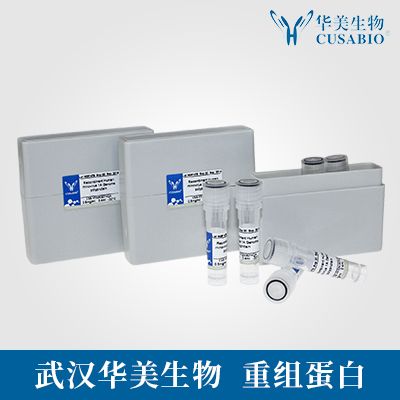
- ¥1344 - 10872
- CUSABIO

- CN
- CSB-EP010553MO1
- 2025年07月04日

企业认证
相关产品推荐更多 >
人PXDC1重组蛋白/Human PX domain-containing protein 1(PXDC1)蛋白
¥1836
猪HSP90AA1重组蛋白HSP90AA1;HSP90A;HSPCAHeat shock protein HSP 90-alphaPig Heat shock protein HSP 90-alpha(HSP90AA1)蛋白
¥2832
Recombinant-Callimico-goeldii-Melanocyte-stimulating-hormone-receptorMC1RMelanocyte-stimulating hormone receptor; MSH-R Alternative name(s): Melanocortin receptor 1; MC1-R
¥11844小鼠Pon3重组蛋白Pon3Mouse Serum paraoxonase/lactonase 3(Pon3)蛋白
¥1836
Recombinant-Saccharomyces-cerevisiae-Putative-uncharacterized-protein-YLR444C-YLR444CPutative uncharacterized protein YLR444C
¥9674
万千商家帮你免费找货
0 人在求购买到急需产品
相关阅读
AJE 润色服务限时 8 折起,权威机构信任 15+ 年Cytoscape 教程来了!快速实现顶刊同款通路网络图五大应用案例:Mustang Q 膜层析应用全解析1 个小工具,一次性搞定流程图、质粒图谱和信号通路图- 详细信息
- 文献和实验
- 技术资料
- 保存条件:
-20℃/-80℃
- 保质期:
Generally, the shelf life of liquid form is 6 months at -20℃/-80℃. The shelf life of lyophilized form is 12 months at -20℃/-80℃.
- 英文名:
Recombinant Mouse High mobility group protein B1 (HMGB1), partial
- 库存:
200
- 供应商:
武汉华美生物工程有限公司
- 规格:
1mg/100ug/20ug
| 规格: | 1mg | 产品价格: | ¥10872.0 |
|---|---|---|---|
| 规格: | 100ug | 产品价格: | ¥2514.0 |
| 规格: | 20ug | 产品价格: | ¥1344.0 |
Research Areas
Epigenetics and Nuclear SignalingUniprot ID
P09429Gene Names
HMGB1Alternative Name(s)
(High mobility group protein 1)(HMG-1)Lead Time
13-23 business daysOrganism
Homo sapiens (Human)Source
E.coliExpression Region
8-179aaProtein Length
PartialTag Info
N-terminal GST-taggedTarget Protein Sequence
KPRGKMSSYAFFVQTCREEHKKKHPDASVNFSEFSKKCSERWKTMSAKEKGKFEDMAKADKARYEREMKTYIPPKGETKKKFKDPNAPKRPPSAFFLFCSEYRPKIKGEHPGLSIGDVAKKLGEMWNNTAADDKQPYEKKAAKLKEKYEKDIAAYRAKGKPDAAKKGVVKAEMW
47.2 kDaPurity
Greater than 90% as determined by SDS-PAGE.Endotoxin
Not test.Biological_Activity
/Form
Liquid or Lyophilized powderBuffer
If the delivery form is liquid, the default storage buffer is Tris/PBS-based buffer, 5%-50% glycerol. If the delivery form is lyophilized powder, the buffer before lyophilization is Tris/PBS-based buffer, 6% Trehalose, pH 8.0.Reconstitution
We recommend that this vial be briefly centrifuged prior to opening to bring the contents to the bottom. Please reconstitute protein in deionized sterile water to a concentration of 0.1-1.0 mg/mL.We recommend to add 5-50% of glycerol (final concentration) and aliquot for long-term storage at -20℃/-80℃. Our default final concentration of glycerol is 50%. Customers could use it as reference.Storage
The shelf life is related to many factors, storage state, buffer ingredients, storage temperature and the stability of the protein itself. Generally, the shelf life of liquid form is 6 months at -20℃/-80℃. The shelf life of lyophilized form is 12 months at -20℃/-80℃.Notes
Repeated freezing and thawing is not recommended. Store working aliquots at 4℃ for up to one week.Relevance
Multifunctional redox sensitive protein with various roles in different cellular compartments. In the nucleus is one of the major chromatin-associated non-histone proteins and acts as a DNA chaperone involved in replication, transcription, chromatin remodeling, V(D)J recombination, DNA repair and genome stability. Proposed to be an universal biosensor for nucleic acids. Promotes host inflammatory response to sterile and infectious signals and is involved in the coordination and integration of innate and adaptive immune responses. In the cytoplasm functions as sensor and/or chaperone for immunogenic nucleic acids implicating the activation of TLR9-mediated immune responses, and mediates autophagy. Acts as danger associated molecular pattern (DAMP) molecule that amplifies immune responses during tissue injury. Released to the extracellular environment can bind DNA, nucleosomes, IL-1 beta, CXCL12, AGER isoform 2/sRAGE, lipopolysaccharide (LPS) and lipoteichoic acid (LTA), and activates cells through engagement of multiple surface receptors. In the extracellular compartment fully reduced HMGB1 (released by necrosis) acts as a chemokine, disulfide HMGB1 (actively secreted) as a cytokine, and sulfonyl HMGB1 (released from apoptotic cells) promotes immunological tolerance. Has proangiogdenic activity. May be involved in platelet activation. Binds to phosphatidylserine and phosphatidylethanolamide. Bound to RAGE mediates signaling for neuronal outgrowth. May play a role in accumulation of expanded polyglutamine (polyQ) proteins such as huntingtin (HTT) or TBP. ; Nuclear functions are attributed to fully reduced HGMB1. Associates with chromatin and binds DNA with a preference to non-canonical DNA structures such as single-stranded DNA, DNA-containing cruciforms or bent structures, supercoiled DNA and ZDNA. Can bent DNA and enhance DNA flexibility by looping thus providing a mechanism to promote activities on various gene promoters by enhancing transcription factor binding and/or bringing distant regulatory sequences into close proximity. May have an enhancing role in nucleotide excision repair (NER). However, effects in NER using in vitro systems have been reported conflictingly. May be involved in mismatch repair (MMR) and base excision repair (BER) pathways. May be involved in double strand break repair such as non-homologous end joining (NHEJ). Involved in V(D)J recombination by acting as a cofactor of the RAG complex: acts by stimulating cleavage and RAG protein binding at the 23 bp spacer of conserved recombination signal sequences (RSS). In vitro can displace histone H1 from highly bent DNA. Can restructure the canonical nucleosome leading to relaxation of structural constraints for transcription factor-binding. Enhances binding of sterol regulatory element-binding proteins (SREBPs) such as SREBF1 to their cognate DNA sequences and increases their transcriptional activities. Facilitates binding of TP53 to DNA. Proposed to be involved in mitochondrial quality control and autophagy in a transcription-dependent fashion implicating HSPB1; however, this function has been questioned. Can modulate the activity of the telomerase complex and may be involved in telomere maintenance. ; In the cytoplasm proposed to dissociate the BECN1:BCL2 complex via competitive interaction with BECN1 leading to autophagy activation. Involved in oxidative stress-mediated autophagy. Can protect BECN1 and ATG5 from calpain-mediated cleavage and thus proposed to control their proautophagic and proapoptotic functions and to regulate the extent and severity of inflammation-associated cellular injury. In myeloid cells has a protective role against endotoxemia and bacterial infection by promoting autophagy. Involved in endosomal translocation and activation of TLR9 in response to CpG-DNA in macrophages. ; In the extracellular compartment (following either active secretion or passive release) involved in regulation of the inflammatory response. Fully reduced HGMB1 (which subsequently gets oxidized after release) in association with CXCL12 mediates the recruitment of inflammatory cells during the initial phase of tissue injury; the CXCL12:HMGB1 complex triggers CXCR4 homodimerization. Induces the migration of monocyte-derived immature dendritic cells and seems to regulate adhesive and migratory functions of neutrophils implicating AGER/RAGE and ITGAM. Can bind to various types of DNA and RNA including microbial unmethylated CpG-DNA to enhance the innate immune response to nucleic acids. Proposed to act in promiscuous DNA/RNA sensing which cooperates with subsequent discriminative sensing by specific pattern recognition receptors. Promotes extracellular DNA-induced AIM2 inflammasome activation implicating AGER/RAGE. Disulfide HMGB1 binds to transmembrane receptors, such as AGER/RAGE, TLR2, TLR4 and probably TREM1, thus activating their signal transduction pathways. Mediates the release of cytokines/chemokines such as TNF, IL-1, IL-6, IL-8, CCL2, CCL3, CCL4 and CXCL10. Promotes secretion of interferon-gamma by macrophage-stimulated natural killer (NK) cells in concert with other cytokines like IL-2 or IL-12. TLR4 is proposed to be the primary receptor promoting macrophage activation and signaling through TLR4 seems to implicate LY96/MD-2. In bacterial LPS- or LTA-mediated inflammatory responses binds to the endotoxins and transfers them to CD14 for signaling to the respective TLR4:LY96 and TLR2 complexes. Contributes to tumor proliferation by association with ACER/RAGE. Can bind to IL1-beta and signals through the IL1R1:IL1RAP receptor complex. Binding to class A CpG activates cytokine production in plasmacytoid dendritic cells implicating TLR9, MYD88 and AGER/RAGE and can activate autoreactive B cells. Via HMGB1-containing chromatin immune complexes may also promote B cell responses to endogenous TLR9 ligands through a B-cell receptor (BCR)-dependent and ACER/RAGE-independent mechanism. Inhibits phagocytosis of apoptotic cells by macrophages; the function is dependent on poly-ADP-ribosylation and involves binding to phosphatidylserine on the cell surface of apoptotic cells. In adaptive immunity may be involved in enhancing immunity through activation of effector T cells and suppression of regulatory T (TReg) cells. In contrast, without implicating effector or regulatory T-cells, required for tumor infiltration and activation of T-cells expressing the lymphotoxin LTA:LTB heterotrimer thus promoting tumor malignant progression. Also reported to limit proliferation of T-cells. Released HMGB1:nucleosome complexes formed during apoptosis can signal through TLR2 to induce cytokine production. Involved in induction of immunological tolerance by apoptotic cells; its pro-inflammatory activities when released by apoptotic cells are neutralized by reactive oxygen species (ROS)-dependent oxidation specifically on Cys-106. During macrophage activation by activated lymphocyte-derived self apoptotic DNA (ALD-DNA) promotes recruitment of ALD-DNA to endosomes. ; (Microbial infection) Critical for entry of human coronaviruses SARS-CoV and SARS-CoV-2, as well as human coronavirus NL63/HCoV-NL63. Regulates the expression of the pro-viral genes ACE2 and CTSL through chromatin modulation. Required for SARS-CoV-2 ORF3A-induced reticulophagy which induces endoplasmic reticulum stress and inflammatory responses and facilitates viral infection.Function
/风险提示:丁香通仅作为第三方平台,为商家信息发布提供平台空间。用户咨询产品时请注意保护个人信息及财产安全,合理判断,谨慎选购商品,商家和用户对交易行为负责。对于医疗器械类产品,请先查证核实企业经营资质和医疗器械产品注册证情况。
 文献和实验
文献和实验【摘要】 目的:探讨高迁移率族蛋白B1(HMGB1)对肝星状细胞(hepatic stellate cell HSC)合成细胞外基质(extracellular matrix ECM)的影响。 方法:剂量效应组分别用含HMGB1 0 mg/L,0.1 mg/L,1.0 mg/L,10 mg/L,20 mg/L和40 mg/L的HMGB1培养液培养HSC-T6 6 h;时间效应组以含有10 mg/L HMGB1的培养液培养0 h、6 h、12 h、18 h和24 h,对照组以不含HMGB1
[资源] 所有的看家基因(housekeeping genes)列表+引物设计服务
(GAPD), mRNA 828 *NM_000291 Homo sapiens phosphoglycerate kinase 1 (PGK1), mRNA 2727 *NM_005566 Homo sapiens lactate dehydrogenase A (LDHA), mRNA 2105 *NM_002954 Homo sapiens ribosomal protein S27a (RPS27A), mRNA 4156 *NM_000981 Homo sapiens
肿瘤细胞的抗原才能被DC交叉递呈到宿主的T细胞,并促进肿瘤特异的CTL分化。使用氯喹(趋溶酶体药物)或bafilomycinA1(空泡的ATP酶的第一个有效的特异性抑制剂),TLR4缺陷的DC导致的抗原递呈可以被恢复。此外,氯喹可以逆转TLR4缺陷在治疗中的副作用。 由死亡肿瘤细胞产生的TLR4配体是HMGB1(high-mobility group box 1 protein)在凋亡晚期释放的一种核蛋白。体内和体外研究发现,使用siRNA或特异的抗体中和消耗死亡细胞的HMGB1,则可以阻碍
 技术资料
技术资料暂无技术资料 索取技术资料

