


- ¥1200
- Biorigin
- BN41541R
- 2026年01月12日
- WB,IHC-P,
- Human,Mouse,Rat,Chicken,Dog,Pig,Cow,Rabbit,

企业认证
相关产品推荐更多 >
万千商家帮你免费找货
0 人在求购买到急需产品
- 详细信息
- 文献和实验
- 技术资料
- 适应物种:
Human,Mouse,Rat,Chicken,Dog,Pig,Cow,Rabbit,
- 应用范围:
WB,IHC-P,
- 抗体英文名:
JNK1 + JNK3
- 规格:
50ul
| 英文名称 | JNK1 + JNK3 |
| 中文名称 | 氨基末端激酶1/3抗体 |
| 别 名 | JNK1 + JNK3; JNK1 + 3; JNK1+JNK3; JNK1/3; c Jun N terminal kinase 1; JNK1; JNK3; JAK 1A; JAK1A; JNK 1; JNK 46; JNK; JNK1A2; JNK21B1/2; MAPK 8; MAPK8; Mitogen activated protein kinase 8; PRKM 8; PRKM8; Protein kinase JNK1; SAPK 1; SAPK gamma; SAPK1; c-Jun; Stress activated protein kinase JNK1; Tyrosine protein kinase JAK1; MK08_HUMAN. |
| 研究领域 | 肿瘤 细胞生物 免疫学 信号转导 转录调节因子 激酶和磷酸酶 |
| 抗体来源 | Rabbit |
| 克隆类型 | Polyclonal |
| 交叉反应 | Human, Mouse, Rat, (predicted: Chicken, Dog, Pig, Cow, Rabbit, ) |
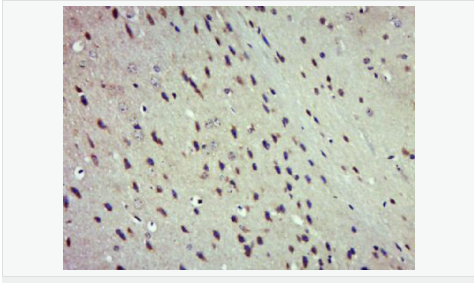
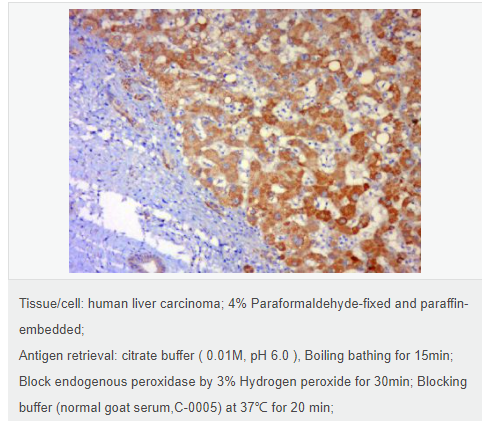
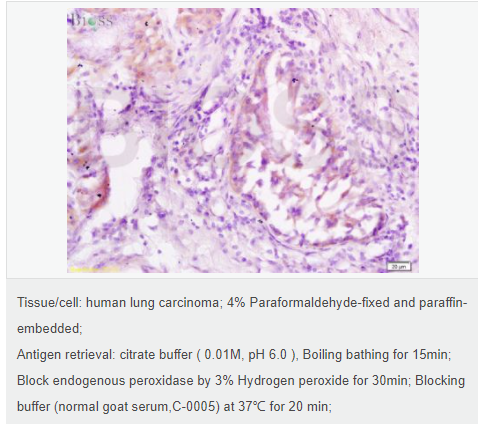
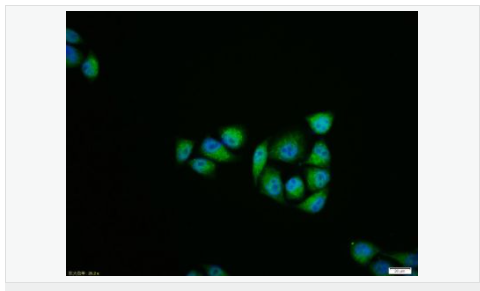
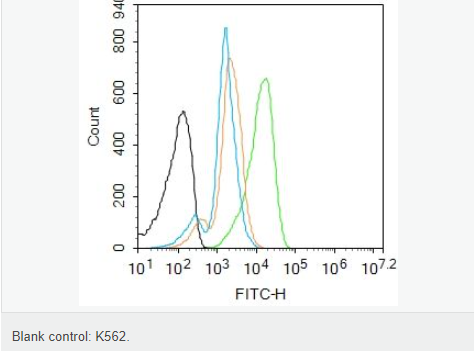
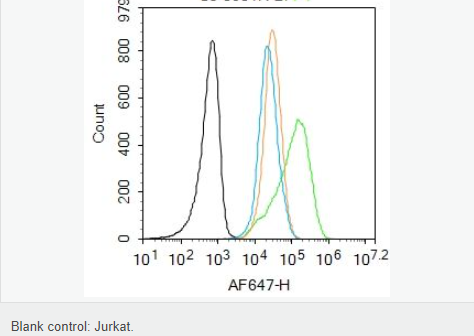
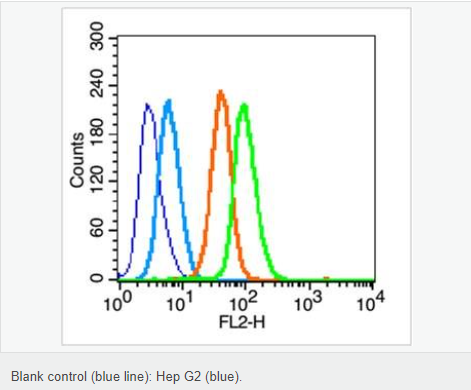
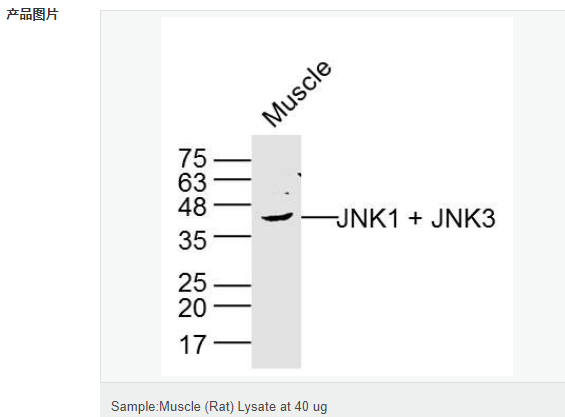
| 产品应用 | WB=1:500-2000 ELISA=1:5000-10000 IHC-P=1:100-500 IHC-F=1:100-500 Flow-Cyt=1μg/Test ICC=1:100 IF=1:100-500 (石蜡切片需做抗原修复) not yet tested in other applications. optimal dilutions/concentrations should be determined by the end user. |
| 分 子 量 | 42kDa |
| 细胞定位 | 细胞核 细胞浆 |
| 性 状 | Liquid |
| 浓 度 | 1mg/ml |
| 免 疫 原 | KLH conjugated synthetic peptide derived from human JNK1:201-300/427 |
| 亚 型 | IgG |
| 纯化方法 | affinity purified by Protein A |
| 储 存 液 | 0.01M TBS(pH7.4) with 1% BSA, 0.03% Proclin300 and 50% Glycerol. |
| 保存条件 | Shipped at 4℃. Store at -20 °C for one year. Avoid repeated freeze/thaw cycles. |
| PubMed | PubMed |
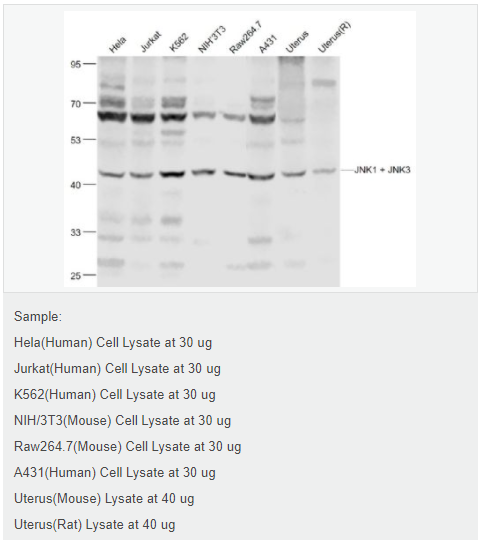
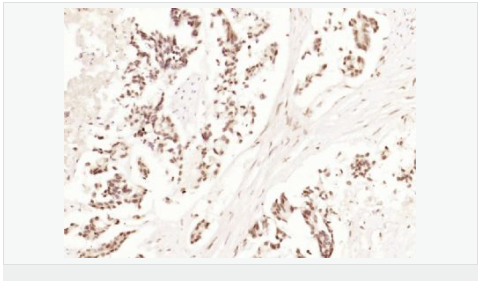
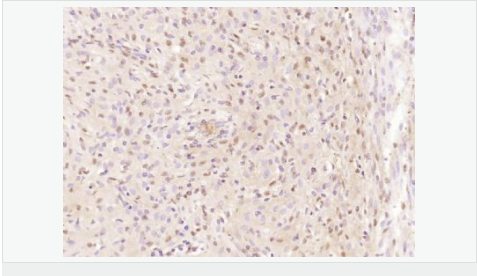
| 产品介绍 | JNK1(MAPK8) is a member of the MAP kinase family. MAP kinases act as an integration point for multiple biochemical signals, and are involved in a wide variety of cellular processes such as proliferation, differentiation, transcription regulation and development. This kinase is activated by various cell stimuli, and targets specific transcription factors, and thus mediates immediate-early gene expression in response to cell stimuli. The activation of this kinase by tumor-necrosis factor alpha (TNF-alpha) is found to be required for TNF-alpha induced apoptosis. This kinase is also involved in UV radiation induced apoptosis, which is thought to be related to cytochrome c-mediated cell death pathway. Studies of the mouse counterpart of this gene suggested that this kinase play a key role in T cell proliferation, apoptosis and differentiation. Four alternatively spliced transcript variants encoding distinct isoforms have been reported. JNK1 is activated by threonine and tyrosine phosphorylation by either of two dual specificity kinases, MAP2K4 and MAP2K7. The JNK pathway is critically involved in diabetes and levels are abnormally elevated in obesity. The cell-permeable JNK inhibitory peptide may have promise as a therapeutic agent for diabetes. Function: Serine/threonine-protein kinase involved in various processes such as cell proliferation, differentiation, migration, transformation and programmed cell death. Extracellular stimuli such as proinflammatory cytokines or physical stress stimulate the stress-activated protein kinase/c-Jun N-terminal kinase (SAP/JNK) signaling pathway. In this cascade, two dual specificity kinases MAP2K4/MKK4 and MAP2K7/MKK7 phosphorylate and activate MAPK8/JNK1. In turn, MAPK8/JNK1 phosphorylates a number of transcription factors, primarily components of AP-1 such as JUN, JDP2 and ATF2 and thus regulates AP-1 transcriptional activity. Phosphorylates the replication licensing factor CDT1, inhibiting the interaction between CDT1 and the histone H4 acetylase HBO1 to replication origins. Loss of this interaction abrogates the acetylation required for replication initiation. Promotes stressed cell apoptosis by phosphorylating key regulatory factors including p53/TP53 and Yes-associates protein YAP1. In T-cells, MAPK8 and MAPK9 are required for polarized differentiation of T-helper cells into Th1 cells. Contributes to the survival of erythroid cells by phosphorylating the antagonist of cell death BAD upon EPO stimulation. Mediates starvation-induced BCL2 phosphorylation, BCL2 dissociation from BECN1, and thus activation of autophagy. Phosphorylates STMN2 and hence regulates microtubule dynamics, controlling neurite elongation in cortical neurons. In the developing brain, through its cytoplasmic activity on STMN2, negatively regulates the rate of exit from multipolar stage and of radial migration from the ventricular zone. Phosphorylates several other substrates including heat shock factor protein 4 (HSF4), the deacetylase SIRT1, ELK1, or the E3 ligase ITCH. Subunit: Binds to at least four scaffolding proteins, MAPK8IP1/JIP-1, MAPK8IP2/JIP-2, MAPK8IP3/JIP-3/JSAP1 and SPAG9/MAPK8IP4/JIP-4. These proteins also bind other components of the JNK signaling pathway. Forms a complex with MAPK8IP1 and RGNEF. Interacts with TP53 and WWOX. Interacts with JAMP. Interacts with NFATC4. Interacts with MECOM; regulates JNK signaling. Interacts with PIN1; this interaction mediates MAPK8 conformational changes leading to the binding of MAPK8 to its substrates. Interacts (phosphorylated form) with NFE2; the interaction phosphorylates NFE2 in undifferentiated cells. Subcellular Location: Cytoplasm. Nucleus. Post-translational modifications: Phosphorylated by TAOK2. Dually phosphorylated on Thr-183 and Tyr-185 by MAP2K7 and MAP2K4, which activates the enzyme. Similarity: Belongs to the protein kinase superfamily. CMGC Ser/Thr protein kinase family. MAP kinase subfamily. Contains 1 protein kinase domain. SWISS: P45983 Gene ID: 5599 5601 Database links: Entrez Gene: 5599 Human Entrez Gene: 5601 Human Entrez Gene: 26419 Mouse Entrez Gene: 26420 Mouse Omim: 601158 Human Omim: 602896 Human SwissProt: P45983 Human SwissProt: P45984 Human SwissProt: Q91Y86 Mouse SwissProt: Q9WTU6 Mouse Unigene: 138211 Human Unigene: 348446 Human Unigene: 21495 Mouse Unigene: 68933 Mouse Important Note: This product as supplied is intended for research use only, not for use in human, therapeutic or diagnostic applications. |
风险提示:丁香通仅作为第三方平台,为商家信息发布提供平台空间。用户咨询产品时请注意保护个人信息及财产安全,合理判断,谨慎选购商品,商家和用户对交易行为负责。对于医疗器械类产品,请先查证核实企业经营资质和医疗器械产品注册证情况。
 文献和实验
文献和实验X性联无丙种球蛋白血症(X-linked agammagl,bulinemia,XLA)是临床上首次确定的体液免疫缺陷病,由Brutor于1952年报道,故又称Bruton病。XLA作为常见的原发性免疫缺陷病之一,特点为血清中各类免疫球蛋白缺乏,或只能测得微量的抗体。外周血和淋巴组织中B细胞减少或完全缺乏,淋巴结中无生发中心和浆细胞。本病起病早,在出生数月后当患儿体内的母源性抗体水平下降时开始发病。临床表现为反复化脓性感染,患者细胞免疫功能不受影响(部分患者有T细胞数量减少),主要缺陷
位点的序列,包括肽库和肽芯片 [5,6] 的多种技术可用来鉴定激酶底物。此外,一种 λ 噬菌体 cDNA 表达文库的固相磷酸化筛选 [ 7,8 」以及不同蛋白质相互作用筛选方法,如覆盖方法 [ 9,11] 和酵母双杂交系统 [ 12,14] 已被应用在这方面。最近,蛋白激酶被改造成可接受人工合成的腺苷三磷酸盐(环戊基 ATP ) 模拟物,并用于鉴定特异底物。初步的研究已经证明,通过激酶来研究磷酸化的蛋白质芯片是可行的 [ 18,19] 。为了确定磷酸化位点,抗磷酸化蛋白表位 [6] 的抗体将用于蛋白
的作用是调控基因表达。例如组蛋白甲基化多导致基因沉默,去甲基化则相反;乙酰化一般是转录激活,去乙酰化则相反。当然,也可在此基础上产生复杂的生物学效应。例如组蛋白去乙酰化酶 HDAC 可影响免疫系统;H3K4me3、H3K9me2 能够调控记忆的形成, 而且 H3K 甲基化与 X 染色体失活、基因组印记和异染色质形成有关;H3 乙酰化通过多种机制调控以来 ATP 的染色质重塑 ,并参与炎症反应;H2A、H2B 泛素化则与 DNA 损害反应有关;而 H3S28 磷酸化与 H3K27 乙酰化可激活转录
 技术资料
技术资料暂无技术资料 索取技术资料

