


- ¥7600
- Immundiagnostik
- 2.2-60 ng/ml
- 德国
- K 2314
- 2026年09月11日

企业认证
相关产品推荐更多 >



万千商家帮你免费找货
0 人在求购买到急需产品
相关阅读
源叶生物 十万种现货试剂速发,品质稳、品类全,实验不再等!Takara 秋促来袭,提取+反转录+定量套装仅 1200 元abinScience 体内级抗体 全年锁价 低至 ¥1200阿拉丁 22万+ 科研级产品现货速发,品质严控、科研无忧- 详细信息
- 文献和实验
- 技术资料
- 库存:
10
- 供应商:
广东固康生物科技有限公司
- 检测范围:
2.2-60 ng/ml
- 检测方法:
酶联免疫法
- 应用:
——
- 适应物种:
人
- 标记物:
——
- 样本:
血清/血浆
- 规格:
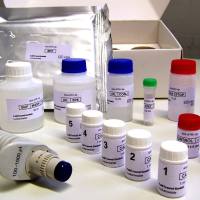
96人份(复孔检测样本:40个)/盒
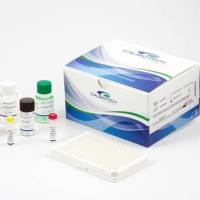
通用名称:阿狄科®维生素D结合蛋白试剂盒(酶联免疫法)
英文名称:Vitamin D Binding Protein (VDBP) ELISA
规格:96人份(复孔检测样本:40个)/盒
测试次数:96(40份样本一式两份)
本产品用于定量测定血清、血浆和尿液中游离的和非肌动复合物结合的维生素D结合蛋白(VDBP)。仅供科研使用。仅用于体外诊断。
【背景知识】
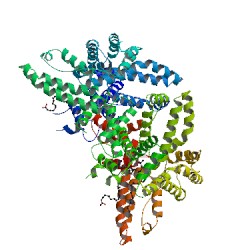
维生素D结合蛋白(VDBP,也称为组特异性组分/Gc蛋白)是在肝脏中形成的一种多功能血清蛋白。由怀孕或激素避孕引起的高雌激素水平会刺激其合成。VDBP可在血浆、腹水、液体、尿液以及各种类型的细胞表面发现。 在血液中,VDBP与循环中的大部分25-OH维生素D结合,并将其带入肾脏,在肾脏中转化为1,25-(OH)2维生素D激素。 此外,VDBP以1:1的比例与单分子肌动蛋白结合。肌动蛋白是一种细胞内蛋白质,可以作为单体或单丝。大量组织破坏或细胞死亡导致肌动蛋白的血浆水平显著升高,从而形成VDBP肌动蛋白复合物,并迅速被清除。因此,创伤或脓毒症患者的VDBP水平迅速下降,特别是多器官功能衰竭水平高的患者。 此外,VDBP是免疫调节蛋白Gc-MAF(Gc蛋白衍生的巨噬细胞活化因子)的前体,它增加了巨噬细胞抗肿瘤的活性。
1. Bouillon, R., van Baelen, H. & de Moor, P., 1977. The measurement of the vitamin D-binding protein in human serum. The Journal of clinical endocrinology and metabolism, 45(2), pp.225–31.
2. Fu, L. et al., 2009. Common genetic variants of the vitamin D binding protein (DBP) predict differences in response of serum 25-hydroxyvitamin D [25(OH)D] to vitamin D supplementation. Clinical biochemistry, 42(10-11), pp.1174–7.
3. Haughton, M.A. & Mason, R.S., 1992. Immunonephelometric assay of vitamin Dbinding protein. Clinical chemistry, 38(9), pp.1796–801.
4. Heijboer, A.C. et al., 2012. Accuracy of 6 Routine 25-Hydroxyvitamin D Assays: Influence of Vitamin D Binding Protein Concentration. Clinical Chemistry, 58(3), pp.543–548.
5. Jørgensen, C.S. et al., 2004. Gc globulin (vitamin D-binding protein) levels: an inhibition ELISA assay for determination of the total concentration of Gc globulin in plasma and serum. Scandinavian journal of clinical and laboratory investigation, 64(2), pp.157–66.
6. Malik, S. et al., 2013. Common variants of the vitamin D binding protein gene and adverse health outcomes. Critical reviews in clinical laboratory sciences.
7. Schmidt-Gayk, H. et al., 1977. 25-hydroxy-vitamin-D in nephrotic syndrome. Lancet, 2(8029), pp.105–8.
8. Thomas, L., 1982. Proteindiagnostik: Diagnose, Therapiekontrolle. 1st ed., Frankfurt am Main: Behringwerke, Medizinische Information und Vertrieb.
9. Cauley, J.A. et al., 2011. Serum 25-hydroxyvitamin D and clinical fracture risk in a multiethnic cohort of women: the Women’s Health Initiative (WHI). Journal of bone and mineral research : the official journal of the American Society for Bone and Mineral Research, 26(10), pp.2378–88.
10. Comabella, M. et al., 2010. Cerebrospinal fluid chitinase 3-like 1 levels are associated with conversion to multiple sclerosis. Brain : a journal of neurology, 133(Pt 4), pp.1082–93.
11. Correale, J., Ysrraelit, M.C. & Gaitán, M.I., 2010. Gender differences in 1,25 dihydroxyvitamin D3 immunomodulatory effects in multiple sclerosis patients and healthy subjects. Journal of immunology (Baltimore, Md. : 1950), 185(8), pp.4948– 58.
12. Doorenbos, C.R.C. et al., 2012. Antiproteinuric treatment reduces urinary loss of vitamin D-binding protein but does not affect vitamin D status in patients with chronic kidney disease. The Journal of steroid biochemistry and molecular biology, 128(1-2), pp.56–61.
13. Gressner, O. et al., 2007. Gc-globulin concentrations and C5 haplotype-tagging polymorphisms contribute to variations in serum activity of complement factor C5. Clinical biochemistry, 40(11), pp.771–5.
14.Jeffery, L.E. et al., 2012. Availability of 25-hydroxyvitamin D(3) to APCs controls the balance between regulatory and inflammatory T cell responses. Journal of immunology (Baltimore, Md. : 1950), 189(11), pp.5155–64.
15.Jeng, L. et al., 2009. Alterations in vitamin D status and anti-microbial peptide levels in patients in the intensive care unit with sepsis. Journal of translational medicine, 7, p.28.
16. Lee, S.-H. et al., 2011. Relationship between group-specific component protein and the development of asthma. American journal of respiratory and critical care medicine, 184(5), pp.528–36.
17. Meguro, S. et al., 2011. Plasma 25-hydroxyvitamin d is independently associated with hemoglobin concentration in male subjects with type 2 diabetes mellitus. International journal of endocrinology, 2011, p.362981.
18. Mirković, K. et al., 2013. Urinary vitamin D binding protein: a potential novel marker of renal interstitial inflammation and fibrosis. PloS one, 8(2), p.e55887.
19. Prytuła, A. et al., 2012. Urinary and dialysate losses of vitamin D-binding protein in children on chronic peritoneal dialysis. Pediatric nephrology (Berlin, Germany), 27(4), pp.643–9. 20. Turner, A.M. et al., 2013. Circulating DBP level and prognosis in operated lung cancer: an exploration of pathophysiology. The European respiratory journal, 41(2), pp.410–6.
21. Wagner, D. et al., 2013. Randomized clinical trial of vitamin D3 doses on prostatic vitamin D metabolite levels and ki67 labeling in prostate cancer patients. The Journal of clinical endocrinology and metabolism, 98(4), pp.1498–507.
22. Wang, X. et al., 2013. Vitamin D-binding protein levels in female patients with primary hyperparathyroidism. Endocrine practice : official journal of the American College of Endocrinology and the American Association of Clinical Endocrinologists, 19(4), pp.609–13.
23. Wood, A.M. et al., 2011. Vitamin D-binding protein contributes to COPD by activation of alveolar macrophages. Thorax, 66(3), pp.205–10.

注意
本产品仅供科研使用。不可用于诊断或治疗程序。
德国IMMUNDIAGNOSTIK(IDK)中国官方代理商:广东固康生物科技有限公司
风险提示:丁香通仅作为第三方平台,为商家信息发布提供平台空间。用户咨询产品时请注意保护个人信息及财产安全,合理判断,谨慎选购商品,商家和用户对交易行为负责。对于医疗器械类产品,请先查证核实企业经营资质和医疗器械产品注册证情况。
 文献和实验
文献和实验1. Bouillon, R., van Baelen, H. & de Moor, P., 1977. The measurement of the vitamin D-binding protein in human serum. The Journal of clinical endocrinology and metabolism, 45(2), pp.225–31.
2. Fu, L. et al., 2009. Common genetic variants of the vitamin D binding protein (DBP) predict differences in response of serum 25-hydroxyvitamin D [25(OH)D] to vitamin D supplementation. Clinical biochemistry, 42(10-11), pp.1174–7.
3. Haughton, M.A. & Mason, R.S., 1992. Immunonephelometric assay of vitamin Dbinding protein. Clinical chemistry, 38(9), pp.1796–801.
4. Heijboer, A.C. et al., 2012. Accuracy of 6 Routine 25-Hydroxyvitamin D Assays: Influence of Vitamin D Binding Protein Concentration. Clinical Chemistry, 58(3), pp.543–548.
5. Jørgensen, C.S. et al., 2004. Gc globulin (vitamin D-binding protein) levels: an inhibition ELISA assay for determination of the total concentration of Gc globulin in plasma and serum. Scandinavian journal of clinical and laboratory investigation, 64(2), pp.157–66.
6. Malik, S. et al., 2013. Common variants of the vitamin D binding protein gene and adverse health outcomes. Critical reviews in clinical laboratory sciences.
7. Schmidt-Gayk, H. et al., 1977. 25-hydroxy-vitamin-D in nephrotic syndrome. Lancet, 2(8029), pp.105–8.
8. Thomas, L., 1982. Proteindiagnostik: Diagnose, Therapiekontrolle. 1st ed., Frankfurt am Main: Behringwerke, Medizinische Information und Vertrieb.
9. Cauley, J.A. et al., 2011. Serum 25-hydroxyvitamin D and clinical fracture risk in a multiethnic cohort of women: the Women’s Health Initiative (WHI). Journal of bone and mineral research : the official journal of the American Society for Bone and Mineral Research, 26(10), pp.2378–88.
10. Comabella, M. et al., 2010. Cerebrospinal fluid chitinase 3-like 1 levels are associated with conversion to multiple sclerosis. Brain : a journal of neurology, 133(Pt 4), pp.1082–93.
11. Correale, J., Ysrraelit, M.C. & Gaitán, M.I., 2010. Gender differences in 1,25 dihydroxyvitamin D3 immunomodulatory effects in multiple sclerosis patients and healthy subjects. Journal of immunology (Baltimore, Md. : 1950), 185(8), pp.4948– 58.
12. Doorenbos, C.R.C. et al., 2012. Antiproteinuric treatment reduces urinary loss of vitamin D-binding protein but does not affect vitamin D status in patients with chronic kidney disease. The Journal of steroid biochemistry and molecular biology, 128(1-2), pp.56–61.
13. Gressner, O. et al., 2007. Gc-globulin concentrations and C5 haplotype-tagging polymorphisms contribute to variations in serum activity of complement factor C5. Clinical biochemistry, 40(11), pp.771–5.
14.Jeffery, L.E. et al., 2012. Availability of 25-hydroxyvitamin D(3) to APCs controls the balance between regulatory and inflammatory T cell responses. Journal of immunology (Baltimore, Md. : 1950), 189(11), pp.5155–64.
15.Jeng, L. et al., 2009. Alterations in vitamin D status and anti-microbial peptide levels in patients in the intensive care unit with sepsis. Journal of translational medicine, 7, p.28.
16. Lee, S.-H. et al., 2011. Relationship between group-specific component protein and the development of asthma. American journal of respiratory and critical care medicine, 184(5), pp.528–36.
17. Meguro, S. et al., 2011. Plasma 25-hydroxyvitamin d is independently associated with hemoglobin concentration in male subjects with type 2 diabetes mellitus. International journal of endocrinology, 2011, p.362981.
18. Mirković, K. et al., 2013. Urinary vitamin D binding protein: a potential novel marker of renal interstitial inflammation and fibrosis. PloS one, 8(2), p.e55887.
19. Prytuła, A. et al., 2012. Urinary and dialysate losses of vitamin D-binding protein in children on chronic peritoneal dialysis. Pediatric nephrology (Berlin, Germany), 27(4), pp.643–9. 20. Turner, A.M. et al., 2013. Circulating DBP level and prognosis in operated lung cancer: an exploration of pathophysiology. The European respiratory journal, 41(2), pp.410–6.
21. Wagner, D. et al., 2013. Randomized clinical trial of vitamin D3 doses on prostatic vitamin D metabolite levels and ki67 labeling in prostate cancer patients. The Journal of clinical endocrinology and metabolism, 98(4), pp.1498–507.
22. Wang, X. et al., 2013. Vitamin D-binding protein levels in female patients with primary hyperparathyroidism. Endocrine practice : official journal of the American College of Endocrinology and the American Association of Clinical Endocrinologists, 19(4), pp.609–13.
23. Wood, A.M. et al., 2011. Vitamin D-binding protein contributes to COPD by activation of alveolar macrophages. Thorax, 66(3), pp.205–10.
ResidueTest® Prolactin ELISA kit 催乳素酶联免疫试剂盒运用竞争抑制酶标免疫分析法定量测定牛奶中崔乳品含量。试剂盒中包含 96 次检测所需酶联免疫试验试剂,包括标准溶液。检测时间为 45 分钟,检测限为 0.35ng/mL ( ppb )。试剂盒回收率高于 80% 。 实验原理 ResidueTest® Prolactin ELISA kit 催乳素酶联免疫试剂盒测定的基础是双抗体夹心法,微孔板包被有针对催乳素的抗体,加入催乳素标准或样品溶液,标准或样品溶液中的催乳
-羟基维生素D)是维生素在血浆中的主要存在形式,其中95%以上为25-OH-D3;一般情况下,只有在给与含维生素D2的药物治疗的病人中,25-OH-D2才能达到检测水平。 n 临床开展维生素D的常规检测,一是检测维生素D是否缺乏,二是为维生素D的补充提供指导,尤其是对儿童,防止补充过量造成不良影响。 n 欧蒙公司维生素D检测试剂盒(酶联免疫法): ² 定量检测人血清或血浆中25-OH-D ² 采用创新的单克隆抗体100%检测25-羟基维生素D2和D3 ² 快速、准确测定机体维生素D
进行PCR扩增。根据定量CKmRNA方法和原理的不同,可分为半定量PCR法,竞争性定量PCR法,内参标定量PCR法,HPLC-PCR法和酶联免疫定量PCR法 [6] 。目前市售的商品试剂盒已能用于大多数细胞因子的检测,但因其价格昂贵而阻碍了其广泛使用。同时,人细胞因子的测定仍存在许多问题,检测方法选择不当可能得到不一致的结果,有时有必要选择一个以上的检测方法测定细胞因子。 2 灵敏度 细胞因子具有很强的生物学活性,其生物分析法的灵敏度极高。然而,在测定血浆中细胞因子正常浓度时
 技术资料
技术资料暂无技术资料 索取技术资料

