

- ¥12243
- Lifeline

- 美国
- FC-0053
- 2026年02月23日

企业认证
相关产品推荐更多 >

万千商家帮你免费找货
0 人在求购买到急需产品
- 详细信息
- 文献和实验
- 技术资料
- 英文名:
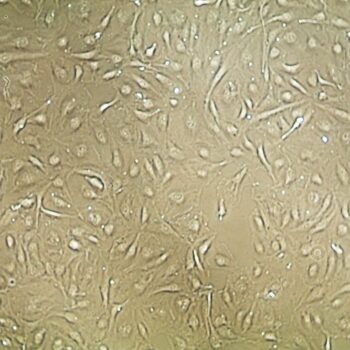
Cardiac Microvascular Endothelial Cells
- 细胞类型:
人正常原代细胞
- 物种来源:
人源
- 器官来源:
人源
- 运输方式:
干冰或液氮
- 年限:
液氮储存10年以上
- 生长状态:
冻存
- 规格:
500,000 cells/vial
Lifeline® Normal Human Cardiac Microvascular Endothelial Cells, when grown in Lifeline® VascuLife® VEGF-Mv Medium, provide an ideal low-serum culture model, for the study of angiogenesis, atherosclerosis, or vascular biology.
To support cell proliferation, Lifeline® recommends using VascuLife® VEGF-Mv (LL-0005) Medium.
Lifeline® Human Cardiac Microvascular Endothelial Cells are isolated from human heart tissue, plated onto culture vessels, and expanded in culture vessels three times before being harvested for cryopreservation. Cardiac Microvascular Endothelial Cells are cryopreserved at the earliest possible passage to ensure the highest viability, purity, and plating efficiency.
Our Cardiac Microvascular Endothelial Cells are quality tested to ensure optimal growth and morphology over a period of at least 15 population doublings.
Lifeline® Human Microvascular Endothelial Cells are not exposed to antimicrobials or phenol red when cultured in VascuLife® Media. Lifeline offers antimicrobials and phenol red, but they are not required for eukaryotic cell proliferation. A vial of Gentamicin and Amphotericin B (GA; LS-1104) is provided with the purchase of VascuLife® VEGF-Mv (LL-0005) Medium Complete Kit for your convenience. The use of GA is recommended to inhibit potential fungal or bacterial contamination of eukaryotic cell cultures. Phenol Red (LS-1009) may be purchased, but is not required.
风险提示:丁香通仅作为第三方平台,为商家信息发布提供平台空间。用户咨询产品时请注意保护个人信息及财产安全,合理判断,谨慎选购商品,商家和用户对交易行为负责。对于医疗器械类产品,请先查证核实企业经营资质和医疗器械产品注册证情况。
 文献和实验
文献和实验脑微血管内皮细胞是构成血脑屏障(blood-brain barrier,BBB)的重要成分,与外周血管内皮细胞不同,它具有高跨内皮阻抗(transendothelial electrical resistance,TER)、细胞间紧密连接、极少的胞饮小泡、缺乏窗孔结构以及含有选择性双向跨细胞膜转运系统等独有的特征,从而使血脑屏障形成一个限制大多数极性分子和蛋白质运动的选择性低渗透性的屏障[1]。由于体外培养的脑微血管内皮细胞保持了较多的其体内固有的特点[1],因此目前脑微血管内皮细胞
原代微血管内皮 细 胞( Primary Microvascular Endothelial Cells )的体外分离培养 微血管内皮细胞生长因子的应用和免疫磁珠技术的发展,使微血管内皮细胞的培养和纯化变得相对简化。 1、微血管内皮细胞培养简述人体主要器官和组织的微血管内皮细胞已经培养成功的有:骨骼肌、心、脑、胃、视网膜、肺、皮肤、脉络膜、小肠、脂肪、肝窦、肾、关节滑膜、胎盘、骨髓、胰岛、角膜及食道等器官组织的微血管内皮细胞。 2、微血管内皮细胞的分离目前分离内皮细胞的方法主要有三种
。经孔径为110μm尼龙筛网过滤,将滤液以4000r/min离心10min; 4. 弃离心后的上清液。给沉淀加入15%右旋糖苷溶液,重新悬浮沉淀。然后,再以4000r/min离心20min。收集微血管片段; 5. 用0.05%胶原酶溶液消化2—4h。用Hanks液洗涤并离心,给微血管片段加入M199培养液; 6. 接种到培养瓶中,置37℃、5%CO2 的培养箱中(湿度100%)培养 7. 24h后换液,将未贴壁的微血管段移入其它培养瓶或皿中继续贴壁生长。之后,每3d换液
 技术资料
技术资料暂无技术资料 索取技术资料

