

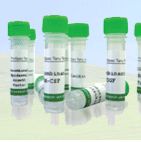
- ¥1080 - 87906
- Prospecbio
- 以色列
- cyt-1057
- 2025年12月28日

企业认证
相关产品推荐更多 >


万千商家帮你免费找货
0 人在求购买到急需产品
相关阅读
细胞污染识别与处理全攻略:5 种常见类型+关键误区Cytoscape 教程来了!快速实现顶刊同款通路网络图五大应用案例:Mustang Q 膜层析应用全解析1 个小工具,一次性搞定流程图、质粒图谱和信号通路图- 详细信息
- 文献和实验
- 技术资料
- 保存条件:
for future use below -18°C
- 保质期:
See instructions
- 英文名:
rTNFA, His Active
- 库存:
部分小规格有备货
- 供应商:
上海经科化学科技有限公司
- CAS号:
无
- 规格:
2ug/10ug/1mg
| 规格: | 2ug | 产品价格: | ¥1080.0 |
|---|---|---|---|
| 规格: | 10ug | 产品价格: | ¥2415.0 |
| 规格: | 1mg | 产品价格: | ¥87906.0 |

CATALOGUE NUMBER
CYT-1057
SYNONYMS
Tumor Necrosis Factor-alpha, TNF a His, Cachectin, TNF-alpha, Tumor necrosis factor ligand superfamily member 2, TNF-a, N-terminal fragment, NTF, Intracellular domain 1, Intracellular domain 2, ICD2, C-domain 1, C-domain 2, Tumor necrosis factor, soluble form, Tnfa, Tnfsf2, RATTNF, Tnfa.
INTRODUCTION
Tumor necrosis factor is a cytokine involved in systemic inflammation and is a member of a group of cytokines that all stimulate the acute phase reaction. TNF is mainly secreted by macrophages.
TNF causes apoptotic cell death, cellular proliferation, differentiation, inflammation, tumorigenesis and viral replication, TNF is also involved in lipid metabolism, and coagulation. TNF's primary role is in the regulation of immune cells.
Dysregulation and, in particular, overproduction of TNF have been implicated in a variety of human diseases- autoimmune diseases, insulin resistance, and cancer.
DESCRIPTION
TNFA Rat Recombinant produced in E.Coli is a single, non-glycosylated polypeptide chain containing 181 amino acids (80-235 a.a) and having a molecular mass of 19.9kDa.
TNFA Rat is expressed with an 25 amino acid His tag at C-Terminus and purified by proprietary chromatographic techniques.
SOURCE
PHYSICAL APPEARANCE
FORMULATION
TNFA Rat protein solution (1mg/ml) contains Phosphate Buffered Saline (pH 7.4), 10% glycerol and 1mM DTT.
STABILITY
For long term storage it is recommended to add a carrier protein (0.1% HSA or BSA).
Avoid multiple freeze-thaw cycles.
PURITY
Greater than 90.0% as determined by SDS-PAGE.
BIOLOGICAL ACTIVITY
Measured in a cytotoxicity assay using L929 mouse fibrosarcoma cells in the presence of the metabolic inhibitor actinomycin D.
The ED50 for this effect is ≤ to 0.2 ng/ml.
AMINO ACID SEQUENCE
Mg-s-sHHHHHH SSGLVPRGSH MGSHMLRSSS QNSSDKPVAH VVANHQAEEQ LEWLSQRANA LLANGMDLKD NQLVVPADGL YLIYSQVLFK GQGCPDYVLL THTVSRFAIS YQEKVSLLSA IKSPCPKDTP EGAELKPWYE PMYLGGVFQL EKGDLLSAEV NLPKYLDITE SGQVYFGVIA L.
SAFETY DATA SHEET
SDS
USAGE
ProSpec's products are furnished for LABORATORY RESEARCH USE ONLY. The product may not be used as drugs, agricultural or pesticidal products, food additives or household chemicals.
BACKGROUND
Tumor Necrosis Factor-alpha Rat Recombinant, His Tag Active: An In-Depth Analysis
Abstract:
Tumor Necrosis Factor-alpha (TNF-α) is a cytokine that plays a significant role in various physiological and pathological processes. This human research paper provides an in-depth analysis of TNF-α Rat Recombinant with a His Tag, focusing on its structure, signaling pathways, and diverse functions. Additionally, the paper explores the potential applications of TNF-α Rat Recombinant in human research.
Introduction:
TNF-α is a key mediator of inflammation and immune responses in humans. This research paper aims to provide a comprehensive analysis of TNF-α Rat Recombinant with a His Tag, highlighting its significance in human physiology and its potential applications in human research.
Structure and Function of TNF-α:
TNF-α is a homotrimeric protein that binds to two distinct receptors, TNFR1 and TNFR2, initiating downstream signaling cascades. It regulates immune cell activation, cytokine production, and cellular responses, influencing diverse biological processes.
Signaling Pathways:
Upon binding to its receptors, TNF-α activates various signaling pathways, including the NF-κB pathway, MAPK pathway, and cell death pathways. These pathways regulate gene expression and mediate cellular responses, impacting inflammation, apoptosis, and tissue homeostasis.
Functions of TNF-α:
TNF-α plays a crucial role in immune responses, inflammation, and tissue homeostasis. It regulates the activation and migration of immune cells, promotes cytokine production, and modulates cell survival and death. Dysregulation of TNF-α is implicated in the pathogenesis of various human diseases, making it an attractive target for research and therapeutic interventions.
Applications in Human Research:
TNF-α Rat Recombinant with a His Tag has diverse applications in human research. It can be used to investigate TNF-α signaling pathways, study its effects on immune cell functions, and explore its role in disease pathogenesis. Additionally, this recombinant protein can be utilized for in vitro and in vivo studies aimed at developing novel therapeutic strategies.
Future Directions:
Further research is necessary to unravel the intricate mechanisms of TNF-α signaling and its contributions to human diseases. Continued investigations will enable the development of targeted therapies and personalized medicine approaches. Future studies should also focus on optimizing the use of TNF-α Rat Recombinant in preclinical and clinical research settings.
风险提示:丁香通仅作为第三方平台,为商家信息发布提供平台空间。用户咨询产品时请注意保护个人信息及财产安全,合理判断,谨慎选购商品,商家和用户对交易行为负责。对于医疗器械类产品,请先查证核实企业经营资质和医疗器械产品注册证情况。
 文献和实验
文献和实验Aggarwal, B. B. (2003). Signalling pathways of the TNF superfamily: A double-edged sword. Nature Reviews Immunology, 3(9), 745-756.
Tracey, D., et al. (2008). Anti-TNF therapy: Past, present, and future. EXS, 102, 105-117.
Feldmann, M., et al. (2018). Biological insights from clinical trials with anti-TNF therapy. Seminars in Immunology, 28(2), 139-147.
Kalliolias, G. D., & Ivashkiv, L. B. (2016). TNF biology, pathogenic mechanisms, and emerging therapeutic strategies. Nature Reviews Rheumatology, 12(1), 49-62.
McInnes, I. B., & Schett, G. (2011). Cytokines in the pathogenesis of rheumatoid arthritis. Nature Reviews Immunology, 7(6), 429-442.
Tumor Necrosis Factor- Quantification and Expression by In Situ Hybridization
The pleiotropic cytokine, tumor necrosis factor-α (TNF-α), has been shown to affect not only pathological and inflammatory conditions, but also plays a seminal role in the maintenance of physiological homeostasis. Due to these diverse
Production and Characterization of Recombinant Human and Murine TNF
Here we describe the methods for the expression of human and murine soluble tumor necrosis factor (hTNF and mTNF) in Escherichia coli cells and for their extraction, purification, and characterization. The expression and purification procedure
Induction of Tumor Cell Apoptosis by TRAIL Gene Therapy
Members of the tumor necrosis factor (TNF) superfamily influence a variety of immunological functions, including cellular activation, proliferation, and death, upon interaction with a corresponding superfamily of receptors
 技术资料
技术资料
