

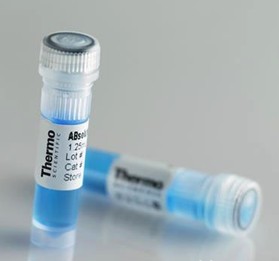
- ¥1520
- bxcell
- BE0007
- USA
- 2026年03月26日

企业认证
相关产品推荐更多 >


万千商家帮你免费找货
0 人在求购买到急需产品
- 详细信息
- 询价记录
- 文献和实验
- 技术资料
- 英文名:
InVivoMAb anti-mouse/human CD11b
- 保存条件:
低温
- 规格:
1mg
InVivoMAb anti-mouse/human CD11b
About InVivoMAb anti-mouse/human CD11b
The M1/70 monoclonal antibody reacts with mouse and human CD11b, a 170 kDa membrane glycoprotein also known as integrin alpha M (ITGAM). CD11b belongs to the integrin alpha family and is primarily expressed on granulocytes and monocytes/macrophages but also expressed on dendritic cells, NK cells, and subsets of T and B cells. CD11b and CD18 combine to form Mac-1. Mac-1 functions as a complement receptor as well as a receptor for fibrinogen, factor X, and ICAM1.
InVivoMAb anti-mouse/human CD11b Specifications
| Isotype | Rat IgG2b, κ |
| Recommended Isotype Control(s) | InVivoMAb rat IgG2b isotype control, anti-keyhole limpet hemocyanin |
| Recommended Dilution Buffer | InVivoPure pH 7.0 Dilution Buffer |
| Immunogen | B10 mouse spleen cells enriched for T cells |
| Reported Applications |
|
| Formulation |
|
| Endotoxin |
|
| Purity |
|
| Sterility | 0.2 μM filtered |
| Production | Purified from tissue culture supernatant in an animal free facility |
| Purification | Protein G |
| RRID | AB_1107582 |
| Molecular Weight | 150 kDa |
| Storage | The antibody solution should be stored at the stock concentration at 4°C. Do not freeze. |
Application References
InVivoMAb anti-mouse CD11b (Clone: M1/70)
Becker, A. M., et al. (2015). “ADAM17 limits the expression of CSF1R on murine hematopoietic progenitors.” Exp Hematol 43(1): 44-52 e41-43. PubMed
All-lymphoid progenitors (ALPs) yield few myeloid cells in vivo, but readily generate such cells in vitro. The basis for this difference remains unknown. We hypothesized that ALPs limit responsiveness to in vivo concentrations of myeloid-promoting cytokines by reducing expression of the corresponding receptors, potentially through posttranscriptional mechanisms. Consistent with such a mechanism, ALPs express higher levels of CSF1R transcripts than their upstream precursors, yet show limited cell-surface protein expression of colony-stimulating factor 1 receptor (CSF1R). All-lymphoid progenitors and other hematopoietic progenitors deficient in A disintegrin and metalloproteinase domain 17 (ADAM17), display elevated cell surface CSF1R expression. ADAM17(-/-) ALPs, however, fail to yield myeloid cells upon transplantation into irradiated recipients. Moreover, ADAM17(-/-) ALPs yield fewer macrophages in vitro than control ALPs at high concentrations of macrophage colony stimulating factor. Mice with hematopoietic-specific deletion of ADAM17 have normal numbers of myeloid and lymphoid progenitors and mature cells in vivo. These data demonstrate that ADAM17 limits CSF1R protein expression on hematopoietic progenitors, but that compensatory mechanisms prevent elevated CSF1R levels from altering lymphoid progenitor potential.
Liu, B., et al. (2015). “Collaborative interactions between type 2 innate lymphoid cells and antigen-specific CD4+ Th2 cells exacerbate murine allergic airway diseases with prominent eosinophilia.” J Immunol 194(8): 3583-3593. PubMed
Type-2 innate lymphoid cells (ILC2s) and the acquired CD4(+) Th2 and Th17 cells contribute to the pathogenesis of experimental asthma; however, their roles in Ag-driven exacerbation of chronic murine allergic airway diseases remain elusive. In this study, we report that repeated intranasal rechallenges with only OVA Ag were sufficient to trigger airway hyperresponsiveness, prominent eosinophilic inflammation, and significantly increased serum OVA-specific IgG1 and IgE in rested mice that previously developed murine allergic airway diseases. The recall response to repeated OVA inoculation preferentially triggered a further increase of lung OVA-specific CD4(+) Th2 cells, whereas CD4(+) Th17 and ILC2 cell numbers remained constant. Furthermore, the acquired CD4(+) Th17 cells in Stat6(-/-)/IL-17-GFP mice, or innate ILC2s in CD4(+) T cell-ablated mice, failed to mount an allergic recall response to OVA Ag. After repeated OVA rechallenge or CD4(+) T cell ablation, the increase or loss of CD4(+) Th2 cells resulted in an enhanced or reduced IL-13 production by lung ILC2s in response to IL-25 and IL-33 stimulation, respectively. In return, ILC2s enhanced Ag-mediated proliferation of cocultured CD4(+) Th2 cells and their cytokine production, and promoted eosinophilic airway inflammation and goblet cell hyperplasia driven by adoptively transferred Ag-specific CD4(+) Th2 cells. Thus, these results suggest that an allergic recall response to recurring Ag exposures preferentially triggers an increase of Ag-specific CD4(+) Th2 cells, which facilitates the collaborative interactions between acquired CD4(+) Th2 cells and innate ILC2s to drive the exacerbation of a murine allergic airway diseases with an eosinophilic phenotype.
Yokota, N., et al. (2014). “Contributions of thrombin targets to tissue factor-dependent metastasis in hyperthrombotic mice.” J Thromb Haemost 12(1): 71-81. PubMed
BACKGROUND: Tumor cell tissue factor (TF)-initiated coagulation supports hematogenous metastasis by fibrin formation, platelet activation and monocyte/macrophage recruitment. Recent studies identified host anticoagulant mechanisms as a major impediment to successful hematogenous tumor cell metastasis. OBJECTIVE: Here we address mechanisms that contribute to enhanced metastasis in hyperthrombotic mice with functional thrombomodulin deficiency (TM(Pro) mice). METHODS: Pharmacological and genetic approaches were combined to characterize relevant thrombin targets in a mouse model of experimental hematogenous metastasis. RESULTS: TF-dependent, but contact pathway-independent, syngeneic breast cancer metastasis was associated with marked platelet hyperreactivity and formation of leukocyte-platelet aggregates in immune-competent TM(Pro) mice. Blockade of CD11b or genetic deletion of platelet glycoprotein Ibalpha excluded contributions of these receptors to enhanced platelet-dependent metastasis in hyperthrombotic mice. Mice with very low levels of the endothelial protein C receptor (EPCR) did not phenocopy the enhanced metastasis seen in TM(Pro) mice. Genetic deletion of the thrombin receptor PAR1 or endothelial thrombin signaling targets alone did not diminish enhanced metastasis in TM(Pro) mice. Combined deficiency of PAR1 on tumor cells and the host reduced metastasis in TM(Pro) mice. CONCLUSIONS: Metastasis in the hyperthrombotic TM(Pro) mouse model is mediated by platelet hyperreactivity and contributions of PAR1 signaling on tumor and host cells.
Li, W., et al. (2012). “Intravital 2-photon imaging of leukocyte trafficking in beating heart.” J Clin Invest 122(7): 2499-2508. PubMed
Two-photon intravital microscopy has substantially broadened our understanding of tissue- and organ-specific differences in the regulation of inflammatory responses. However, little is known about the dynamic regulation of leukocyte recruitment into inflamed heart tissue, largely due to technical difficulties inherent in imaging moving tissue. Here, we report a method for imaging beating murine hearts using intravital 2-photon microscopy. Using this method, we visualized neutrophil trafficking at baseline and during inflammation. Ischemia reperfusion injury induced by transplantation or transient coronary artery ligation led to recruitment of neutrophils to the heart, their extravasation from coronary veins, and infiltration of the myocardium where they formed large clusters. Grafting hearts containing mutant ICAM-1, a ligand important for neutrophil recruitment, reduced the crawling velocities of neutrophils within vessels, and markedly inhibited their extravasation. Similar impairment was seen with the inhibition of Mac-1, a receptor for ICAM-1. Blockade of LFA-1, another ICAM-1 receptor, prevented neutrophil adherence to endothelium and extravasation in heart grafts. As inflammatory responses in the heart are of great relevance to public health, this imaging approach holds promise for studying cardiac-specific mechanisms of leukocyte recruitment and identifying novel therapeutic targets for treating heart disease.
Ahn, G. O., et al. (2010). “Inhibition of Mac-1 (CD11b/CD18) enhances tumor response to radiation by reducing myeloid cell recruitment.” Proc Natl Acad Sci U S A 107(18): 8363-8368. PubMed
Despite recent advances in radiotherapy, loco-regional failures are still the leading cause of death in many cancer patients. We have previously reported that bone marrow-derived CD11b(+) myeloid cells are recruited to tumors grown in irradiated tissues, thereby restoring the vasculature and tumor growth. In this study, we examined whether neutralizing CD11b monoclonal antibodies could inhibit the recruitment of myeloid cells into irradiated tumors and inhibit their regrowth. We observed a significant enhancement of antitumor response to radiation in squamous cell carcinoma xenografts in mice when CD11b antibodies are administered systemically. Histological examination of tumors revealed that CD11b antibodies reduced infiltration of myeloid cells expressing S100A8 and matrix metalloproteinase-9. CD11b antibodies further inhibited bone marrow-derived cell adhesion and transmigration to C166 endothelial cell monolayers and chemotactic stimuli, respectively, to levels comparable to those from CD11b knockout or CD18 hypomorphic mice. Given the clinical availability of humanized CD18 antibodies, we tested two murine tumor models in CD18 hypomorphic or CD11b knockout mice and found that tumors were more sensitive to irradiation when grown in CD18 hypomorphic mice but not in CD11b knockout mice. When CD18 hypomorphism was partially rescued by reconstitution with the wild-type bone marrow, the resistance of the tumors to irradiation was restored. Our study thus supports the rationale of using clinically available Mac-1 (CD11b/CD18) antibodies as an adjuvant therapy to radiotherapy.
风险提示:丁香通仅作为第三方平台,为商家信息发布提供平台空间。用户咨询产品时请注意保护个人信息及财产安全,合理判断,谨慎选购商品,商家和用户对交易行为负责。对于医疗器械类产品,请先查证核实企业经营资质和医疗器械产品注册证情况。
- 作者
- 内容
- 询问日期
 文献和实验
文献和实验,高表达 CD14(Cat#E-AB-F1084)和低表达 CD16(Cat#E-AB-F1005)被认为是单核细胞的特征。人的单核细胞分化成巨噬细胞时,CD14表达水平下降,CD16 表达水平升高,与单核细胞能明显区分;小鼠成熟的巨噬细胞则高表达 F4/80(Cat#E-AB-F0995),流式检测时用CD11b 和 F4/80 可以与其他单核细胞区分。巨噬细胞,正如它的名字所提示的,具有吞噬的功能,主要功能是清除被抗体识别的感染或异化的细胞和凋亡或坏死的细胞,是机体内的清道夫。巨噬细胞的消化
吃货福音!华西医院何金汗等 JEM 报道进食诱导的肝因子能减轻饮食性肥胖
中 F4/80+CD11b+ 双阳性脂肪组织巨噬细胞总数少于 WT 小鼠。同时,Manf 过表达也导致 F4/80+CD11b+CD11c+ 三阳性 M1 型巨噬细胞数量显著减少,而 CD206+CD11b+F4/80+ 三阳性 M2 型巨噬细胞数量没有变化。同样地,在 Tg 小鼠中,M1 巨噬细胞标记物的表达被极大地抑制,而 M2 巨噬细胞标记物的表达没有变化。另外,Tg 小鼠 eWAT 中 IL-1β、单核细胞趋化蛋白 1 (Mcp-1) 和 Tnf-α 等炎症基因的表达较 WT 小鼠有所
从单个小鼠肿瘤样本中分选高纯度、高活性 TIL 细胞亚群的完整工作流程
TIL 细胞分选工作流程,解决实验瓶颈:即如何将小鼠肿瘤组织高效的分离成单细胞悬液、磁珠预富集 CD45+ TIL 细胞,然后从同一样品中依次分选高纯度和高活性的 TIL 细胞亚群。 分离高纯度、高活性的 TIL 细胞亚群的工作流程 1. 肿瘤分离 利用带有加热装置的八通道全自动组织解离器 gentleMACSTM Octo 和小鼠肿瘤分离试剂盒分离 1g 小鼠肿瘤组织。 2. CD45+ TIL 的免疫磁性预富集 为了提高目标 TIL 细胞的频率及纯度,从肿瘤分离出来的单细胞悬浮液中, TIL
 技术资料
技术资料暂无技术资料 索取技术资料

