

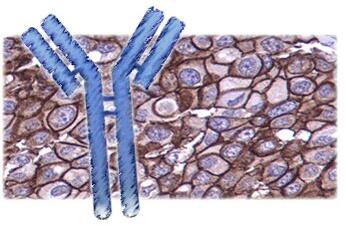
- ¥2980
- LMAI Bio
- LM-5669R-FITC
- 中国/美国/欧洲
- 2025年07月06日
- IF=1:50-200
- Human, Mouse, Rat, Chicken, Dog, Pig, Cow,
- Human, Mouse, Rat, Chicken, Dog, Pig, Cow,

企业认证
相关产品推荐更多 >


万千商家帮你免费找货
0 人在求购买到急需产品
- 详细信息
- 文献和实验
- 技术资料
- 供应商:
上海联迈生物工程有限公司
- 库存:
大量
- 靶点:
详见说明书
- 级别:
1
- 目录编号:
LM-5669R-FITC
- 克隆性:
多克隆
- 抗原来源:
Rabbit
- 保质期:
1年
- 抗体英文名:
Anti-phospho-RPS6KB1(Thr412) /FITC
- 抗体名:
Anti-phospho-RPS6KB1(Thr412) /FITC
- 标记物:
FITC标记
- 宿主:
Human, Mouse, Rat, Chicken, Dog, Pig, Cow,
- 适应物种:
Human, Mouse, Rat, Chicken, Dog, Pig, Cow,
- 免疫原:
详见说明书
- 亚型:
IGg
- 形态:
粉末、液体、冻干粉
- 应用范围:
IF=1:50-200
- 浓度:
1mg/ml
- 保存条件:
-20 °C
- 规格:
100ul
| 英文名称 | Anti-phospho-RPS6KB1(Thr412) /FITC |
| 中文名称 | FITC标记的磷酸化核糖体S6蛋白激酶抗体 |
| 别 名 | S6K1 (phospho T412); p-S6K1 (phospho T412); RPS6KB1 (phospho S412); RPS6KB1 (phospho Ser412); p-RPS6KB1 (Ser412); p70(S6K)-alpha; ribosomal protein S6 kinase; p70 S6 Kinase; P70 Beta1; KS6B1_HUMAN; Ribosomal protein S6 kinase beta-1; 70 kDa ribosomal protein S6 kinase 1; P70S6K1; p70-S6K 1; Ribosomal protein S6 kinase I; Serine/threonine-protein kinase 14A; p70 ribosomal S6 kinase alpha; p70 S6 kinase alpha; p70 S6K-alpha; p70 S6KA; S6K; PS6K; S6K1; STK14A; p70-S6K; p70 S6KA; p70-alpha; S6K-beta-1; p70(S6K)-alpha. |
| 规格价格 | 100ul/2980元 购买 大包装/询价 |
| 说 明 书 | 100ul |
| 产品类型 | 磷酸化抗体 |
| 研究领域 | 肿瘤 免疫学 信号转导 转录调节因子 |
| 抗体来源 | Rabbit |
| 克隆类型 | Polyclonal |
| 交叉反应 | Human, Mouse, Rat, Chicken, Dog, Pig, Cow, |
| 产品应用 | IF=1:50-200 not yet tested in other applications. optimal dilutions/concentrations should be determined by the end user. |
| 分 子 量 | 58kDa |
| 细胞定位 | 细胞膜 |
| 性 状 | Lyophilized or Liquid |
| 浓 度 | 1mg/ml |
| 免 疫 原 | KLH conjugated Synthesised phosphopeptide derived from human RPS6KB1 around the phosphorylation site of Thr412 |
| 亚 型 | IgG |
| 纯化方法 | affinity purified by Protein A |
| 储 存 液 | 0.01M TBS(pH7.4) with 1% BSA, 0.03% Proclin300 and 50% Glycerol. |
| 保存条件 | Store at -20 °C for one year. Avoid repeated freeze/thaw cycles. The lyophilized antibody is stable at room temperature for at least one month and for greater than a year when kept at -20°C. When reconstituted in sterile pH 7.4 0.01M PBS or diluent of antibody the antibody is stable for at least two weeks at 2-4 °C. |
| 产品介绍 | background: This gene encodes a member of the ribosomal S6 kinase family of serine/threonine kinases. The encoded protein responds to mTOR (mammalian target of rapamycin) signaling to promote protein synthesis, cell growth, and cell proliferation. Activity of this gene has been associated with human cancer. Alternatively spliced transcript variants have been observed. The use of alternative translation start sites results in isoforms with longer or shorter N-termini which may differ in their subcellular localizations. There are two pseudogenes for this gene on chromosome 17. [provided by RefSeq, Jan 2013]. Function: Serine/threonine-protein kinase that acts downstream of mTOR signaling in response to growth factors and nutrients to promote cell proliferation, cell growth and cell cycle progression. Regulates protein synthesis through phosphorylation of EIF4B, RPS6 and EEF2K, and contributes to cell survival by repressing the pro-apoptotic function of BAD. Under conditions of nutrient depletion, the inactive form associates with the EIF3 translation initiation complex. Upon mitogenic stimulation, phosphorylation by the mammalian target of rapamycin complex 1 (mTORC1) leads to dissociation from the EIF3 complex and activation. The active form then phosphorylates and activates several substrates in the preinitiation complex, including the EIF2B complex and the cap-binding complex component EIF4B. Also controls translation initiation by phosphorylating a negative regulator of EIF4A, PDCD4, targeting it for ubiquitination and subsequent proteolysis. Promotes initiation of the pioneer round of protein synthesis by phosphorylating POLDIP3/SKAR. In response to IGF1, activates translation elongation by phosphorylating EEF2 kinase (EEF2K), which leads to its inhibition and thus activation of EEF2. Also plays a role in feedback regulation of mTORC2 by mTORC1 by phosphorylating RICTOR, resulting in the inhibition of mTORC2 and AKT1 signaling. Mediates cell survival by phosphorylating the pro-apoptotic protein BAD and suppressing its pro-apoptotic function. Phosphorylates mitochondrial URI1 leading to dissociation of a URI1-PPP1CC complex. The free mitochondrial PPP1CC can then dephosphorylate RPS6KB1 at 'Thr-412', which is proposed to be a negative feedback mechanism for the RPS6KB1 anti-apoptotic function. Mediates TNF-alpha-induced insulin resistance by phosphorylating IRS1 at multiple serine residues, resulting in accelerated degradation of IRS1. In cells lacking functional TSC1-2 complex, constitutively phosphorylates and inhibits GSK3B. May be involved in cytoskeletal rearrangement through binding to neurabin. Subunit: Interacts with PPP1R9A/neurabin-1. Interacts with RPTOR. Interacts with IRS1. Interacts with EIF3B and EIF3C. Interacts with POLDIP3 and TRAF4. Subcellular Location: Cell junction, synapse, synaptosome.Mitochondrion outer membrane. Mitochondrion. Note=Colocalizes with URI1 at mitochondrion. Isoform Alpha I: Nucleus. Cytoplasm. Isoform Alpha II: Cytoplasm. Tissue Specificity: Widely expressed. Post-translational modifications: Phosphorylation at Thr-412 is regulated by mTORC1. The phosphorylation at this site is maintained by an agonist-dependent autophosphorylation mechanism (By similarity). Activated by phosphorylation at Thr-252 by PDPK1. Dephosphorylation by PPP1CC at Thr-412 in mitochondrion. Similarity: Belongs to the protein kinase superfamily. AGC Ser/Thr protein kinase family. S6 kinase subfamily. Contains 1 AGC-kinase C-terminal domain. Contains 1 protein kinase domain. Database links: Entrez Gene: 6198 Human Entrez Gene: 72508 Mouse Entrez Gene: 83840 Rat Omim: 608938 Human SwissProt: P23443 Human SwissProt: Q8BSK8 Mouse SwissProt: P67999 Rat Unigene: 463642 Human Unigene: 394280 Mouse Unigene: 446624 Mouse Unigene: 479484 Mouse Unigene: 4042 Rat Important Note: This product as supplied is intended for research use only, not for use in human, therapeutic or diagnostic applications |
风险提示:丁香通仅作为第三方平台,为商家信息发布提供平台空间。用户咨询产品时请注意保护个人信息及财产安全,合理判断,谨慎选购商品,商家和用户对交易行为负责。对于医疗器械类产品,请先查证核实企业经营资质和医疗器械产品注册证情况。
 文献和实验
文献和实验Cell Metab:浙大吕志民团队揭示肿瘤细胞 Warburg 效应促进肿瘤免疫逃逸
2 从线粒体外膜脱落,进入细胞浆中。在细胞浆中,HK2 结合 NF-κB 的抑制因子 IκBα。 重要的是,HK2 发挥了不依赖于其经典代谢功能的新功能,即作为一个蛋白激酶磷酸化 IκBα 的 Thr 291 位点。该磷酸化促进了蛋白酶 μ-calpain 与 IκBα 的结合并进一步降解 IκBα,进而使转录因子 NF-κB 入核,最终促进了 PD-L1 的表达并导致了肿瘤的免疫逃逸。作者还发现,使用己糖激酶的抑制剂与 PD-1 抗体联用治疗小鼠胶质瘤,可以显著提升 PD-1 抗体的治疗
分析试剂盒安全、快速、稳定,可用于筛选蛋白激酶C抑制剂或激活剂、定性定量分析纯化或部分纯化的PKC激酶活性。 测试盒原理: 基于ELISA的基本原理。PKC底物被包被在酶标板上,在ATP存在的前提下,PKC激酶将底物磷酸化,洗掉游离的PKC激酶和其他成分。再加入特异性磷酸化抗体(只识别磷酸化底物,而与非磷酸化底物无交叉反应。)检测残留在酶标板上的磷酸化底物。通过酶标二抗放大信号,读出OD值(蛋白激酶活性与OD值的对数成正比)。与对照组相比,得出处理组的蛋白激酶活性
,以介导适当的蛋白质折叠或稳定,或将新生蛋白质引导到不同的细胞区室(例如,细胞核、膜)。折叠和定位完成后发生其他修饰,以激活或灭活催化活性或以其他方式影响蛋白质的生物活性。蛋白质也与靶向降解蛋白质的标签共价连接。除了单一的修饰外,蛋白质通常还通过翻译后切割和通过蛋白质成熟或激活的分步机制增加功能基团的组合进行修饰。根据修饰的性质,蛋白质 PTM 也可以是可逆的。例如,激酶在特定的氨基酸侧链上磷酸化蛋白质,这是催化激活或失活的常用方法。反之,磷酸酶水解磷酸基团将其从蛋白中去除,逆转生物活性。肽键的蛋白
 技术资料
技术资料暂无技术资料 索取技术资料

