

- ¥27000 - 50000
- 塔望科技
- ProOx-100HE
- 中国
- 2026年08月29日

企业认证
相关产品推荐更多 >
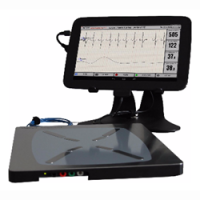
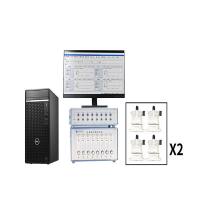
万千商家帮你免费找货
0 人在求购买到急需产品
相关阅读
AJE 润色服务限时 8 折起,权威机构信任 15+ 年Cytoscape 教程来了!快速实现顶刊同款通路网络图五大应用案例:Mustang Q 膜层析应用全解析1 个小工具,一次性搞定流程图、质粒图谱和信号通路图- 详细信息
- 询价记录
- 文献和实验
- 技术资料
- 库存:
大量
- 国食药监械注册号:
无
- 保修期:
1年
- 现货状态:
现货
- 供应商:
塔望科技
- 规格:
咨询电话:021-51537683/15221725700
根据客户的需求不同,所对应的配套方案价格也不同!如果对这类产品感兴趣,可和我们联系。
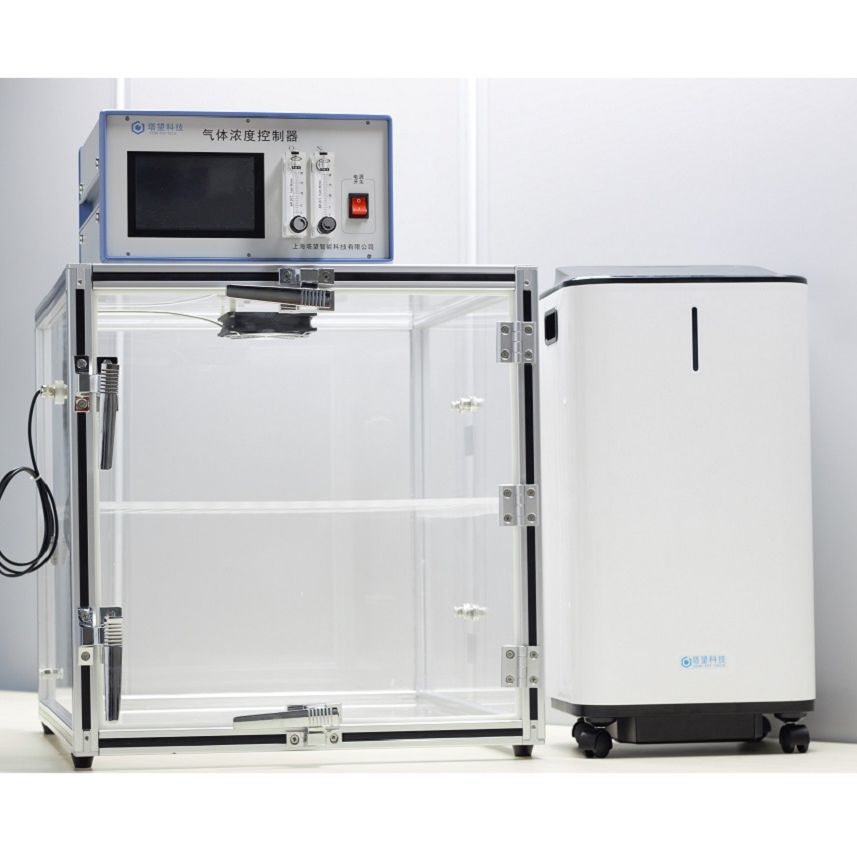
塔望科技提供全系列的动物实验用低/高氧控制产品,包括恒定浓度控制的低氧动物箱、高氧动物箱、可编程的间歇氧浓度控制系统、带缓冲舱的低氧箱等。整套低氧/高氧实验箱装置主要由氧气控制器和动物实验箱两部分组成。另可提供多种不同的气体控制器,满足不同实验O2、CO2、NO、CO、O3等气体浓度控制的需求。
大小鼠间歇氧浓度实验系统模仿睡眠呼吸暂停模式是一款多功能的氧浓度控制系统,用户可以自定义设置氧气浓度变化的步骤,可实现恒定持续低氧、持续高氧、间歇低氧、急性缺氧、慢性间歇低氧、阶梯式氧浓度变化、周期性氧浓度控制等。所有的设置通过控制主机触摸屏完成,人性化设计,操作简便。
大小鼠间歇氧浓度实验系统模仿睡眠呼吸暂停模式监测指标全面,动物低氧舱内具有集成化的传感器模块,内置温度、湿度、氧气、二氧化碳传感器。可以实时监测动物低氧舱内的环境。系统通过闭环反馈控制,根据动物低氧舱内的氧浓度实时反馈控制,使动物实验低氧数据更准确,避免了控制型浓度输出和低氧舱内浓度不一致的情况。ProOx-100HE动物间歇氧浓度实验系统具有优良的控制性能,持续低氧实验时,氧浓度的误差为0.1%。
大小鼠间歇氧浓度实验系统模仿睡眠呼吸暂停模式提供不同尺寸的动物低氧箱,默认低氧箱可放置1个大鼠笼(或2个小鼠笼),同时提供大号规格,可容纳2个大鼠笼和4个大鼠笼。如需其它规格,可提供定制。
大小鼠间歇氧浓度实验系统模仿睡眠呼吸暂停模式
可进行间歇低氧实验(CIH)、急性缺氧实验、慢性缺氧实验、高氧/低氧交替实验
大小鼠间歇氧浓度实验系统模仿睡眠呼吸暂停模式产品特点及参数:
1. 为动物低氧、高氧实验模型的建立提供合适的气体环境
2. 按照设定气体浓度自动配比气体,维持恒定的氧气浓度环境。无需在箱体外混合比例气体,确保实验氧浓度的准确,节省气源
3. 低氧箱采用进口透明 PMMA材质,坚固耐用
4. 7英寸大屏触摸屏控制,人性化界面,操作简单
5. 具有多功能可编程控制器:动态控制,实现多种氧浓度控制方式,可进行急性缺氧实验、慢性缺氧实验、间歇式低氧等实验
6. 监测参数:温度、湿度、氧气O2浓度、二氧化碳浓度
7. 非色散红外(NDIR)二氧化碳传感器,测量范围:0~5000ppm测量精度:±30ppm
8. 进口电化学氧气O2浓度检测器,测量范围:0-100%vol,测量分辨率:0.01%,线性度好,检测准确、使用寿命长。具有温度补偿机制
9. 温度检测:进口高精度数字铂电阻温度传感器
10. 氧气浓度变化动态曲线,直观了解氧气浓度变化的过程
11. 氧气浓度自动校准:通过控制器对传感器快速校准
12. 湿度传感器和除湿设计,能有效的降低动物实验过程中呼吸产生的水汽对动物的影响
13. 特有的气体混合及循环机制,保证箱体内气体浓度的均一
14. 高性能电磁阀,性能稳定,超长寿命
大小鼠间歇氧浓度实验系统模仿睡眠呼吸暂停模式应用领域
睡眠呼吸暂停综合症、心肌缺血缺氧、脑缺血损伤、肺动脉高压、高原反应、肿瘤、呼吸疾病、造血功能等多种领域的动物建模研究。
大小鼠间歇氧浓度实验系统模仿睡眠呼吸暂停模式规格型号
|
名称 |
型号 |
功能 |
参考容纳动物数量 |
备注 |
|
动物间歇氧浓度实验系统 |
ProOx-100HE |
多功能控制氧浓度 |
大鼠:5-10只 小鼠:20-30只 |
可直接放1个大鼠笼、或2个小鼠笼 |
|
动物间歇氧浓度实验系统 |
ProOx-100HE-N |
多功能控制氧浓度 具有恒温功能 |
适合新生鼠 新生鼠10-20只 |
恒温功能,适合新生鼠 舱体小 |
|
动物间歇氧浓度实验系统 |
ProOx-100HE-D |
多功能控制氧浓度 |
大鼠:12-20只 小鼠:40-60只 |
可直接放2个大鼠笼、或4个小鼠笼 |
|
动物间歇氧浓度实验系统 |
ProOx-100HE-T |
多功能控制氧浓度 |
大鼠:20-30只 小鼠:60-90只 |
系统自带动物专用鼠笼 |
|
动物间歇氧浓度实验系统 |
ProOx-100HE-MC |
多功能控制氧浓度 双通道独立控制 |
|
可选大鼠笼或小鼠笼 |
|
豪华工具套装 |
Kit-NV |
|
|
适合持续一个月间歇低氧的应用 |
备注:
所有动物低氧系统均可选择温度控制功能,维持低氧舱内温度恒定
可选配光源控制,作为动物提供适合饲养的光源及模拟昼夜节律控制
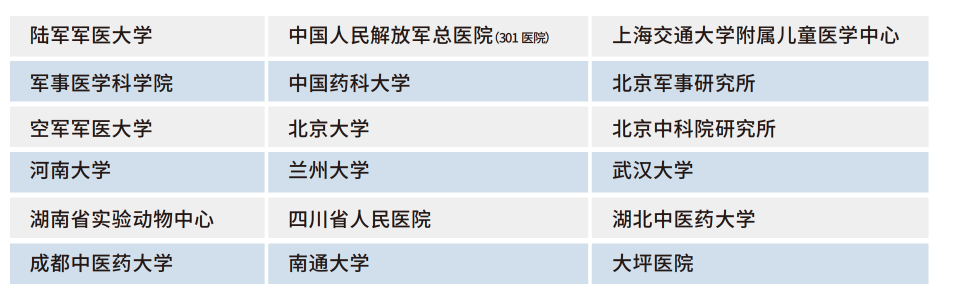
大小鼠间歇氧浓度实验系统模仿睡眠呼吸暂停模式客户代表名单
大小鼠间歇氧浓度实验系统模仿睡眠呼吸暂停模式相关文献
[1] Drekolia M K, Mettner J, Wang D, et al. Cystine import and oxidative catabolism fuel vascular growth and repair via nutrient-responsive histone acetylation[J]. Cell Metabolism (IF 30.9), 2025.
[2] Wu L W, Chen M, Jiang C Y, et al. Inactivation of AXL in Cardiac Fibroblasts Alleviates Right Ventricular Remodeling in Pulmonary Hypertension[J]. Advanced Science (IF 14.1), 2025: e08995.
[3] Lei R, Gu M, Li J, et al. Lipoic acid/trometamol assembled hydrogel as injectable bandage for hypoxic wound healing at high altitude[J]. Chemical Engineering Journal (IF 13.4), 2024, 489: 151499.
[4] Li Z, Li H, Qiao W, et al. Multi-omics dissection of high TWAS-active endothelial pathogenesis in pulmonary arterial hypertension: bridging single-cell heterogeneity, machine learning-driven biomarkers, and developmental reprogramming[J]. International Journal of Surgery (IF 10.1), 10.1097.
[5] Pei Y, Huang L, Wang T, et al. Bone marrow mesenchymal stem cells loaded into hydrogel/nanofiber composite scaffolds ameliorate ischemic brain injury[J]. Materials Today Advances (IF 10), 2023, 17: 100349.
[6] Wang Q, Liu J, Li R, et al. Macrophage κ-opioid receptor inhibits hypoxic pulmonary hypertension progression and right heart dysfunction via an SCD1-dependent anti-inflammatory response[J]. Genes & Diseases (IF 9.4), 2025: 101604.
[7] Wang Y, Zhang R, Chen Q, et al. PPARγ Agonist Pioglitazone Prevents Hypoxia-induced Cardiac Dysfunction by Reprogramming Glucose Metabolism[J]. International Journal of Biological Sciences, 2024, 20(11): 4297.
[8] Wang Y, Shen P, Wu Z, et al. Plasma Proteomic Profiling Reveals ITGA2B as a key regulator of heart health in high-altitude settlers[J]. Genomics, Proteomics & Bioinformatics, 2025: qzaf030.
[9] Lan Y, Zhao S, Song Y, et al. Physicochemical properties of selenized quinoa protein hydrolysate and its regulatory effects on neuroinflammation and gut microbiota in hypoxic mice[J]. Journal of Future Foods, 2025.
[10] Pan Z, Yao Y, Liu X, et al. Nr1d1 inhibition mitigates intermittent hypoxia-induced pulmonary hypertension via Dusp1-mediated Erk1/2 deactivation and mitochondrial fission attenuation[J]. Cell Death Discovery, 2024, 10(1): 459.
[11] Zhou Y, Ni Z, Liu J, et al. Gut Microbiota‐Associated Metabolites Affected the Susceptibility to Heart Health Abnormality in Young Migrants at High‐Altitude: Gut Microbiota and Associated Metabolites Impart Heart Health in Plateau[C]//Exploration. 2025: 20240332.
[12] Li C, Zhao Z, Jin J, et al. NLRP3-GSDMD-dependent IL-1β Secretion from Microglia Mediates Learning and Memory Impairment in a Chronic Intermittent Hypoxia-induced Mouse Model[J]. Neuroscience, 2024, 539: 51-65.
[13] Yang W, Li M, Ding J, et al. High-altitude hypoxia exposure inhibits erythrophagocytosis by inducing macrophage ferroptosis in the spleen[J]. Elife, 2024, 12: RP87496.
[14] You Z, Huang Q, Zeng L, et al. Rab26 promotes hypoxia-induced hyperproliferation of PASMCs by modulating the AT1R-STAT3-YAP axis[J]. Cellular and Molecular Life Sciences, 2025, 82(1): 1-16.
[15] Pei C, Shen Z, Wu Y, et al. Eleutheroside B Pretreatment Attenuates Hypobaric Hypoxia‐Induced High‐Altitude Pulmonary Edema by Regulating Autophagic Flux via the AMPK/mTOR Pathway[J]. Phytotherapy Research, 2024, 38(12): 5657-5671.
[16] Duan H, Han Y, Zhang H, et al. Eleutheroside B Ameliorates Cardiomyocytes Necroptosis in High-Altitude-Induced Myocardial Injury via Nrf2/HO-1 Signaling Pathway[J]. Antioxidants, 2025, 14(2): 190.
[17] Song J, Zheng J, Li Z, et al. Sulfur dioxide inhibits mast cell degranulation by sulphenylation of galectin-9 at cysteine 74[J]. Frontiers in Immunology, 2024, 15: 1369326.
[18] Jia N, Shen Z, Zhao S, et al. Eleutheroside E from pre-treatment of Acanthopanax senticosus (Rupr. etMaxim.) Harms ameliorates high-altitude-induced heart injury by regulating NLRP3 inflammasome-mediated pyroptosis via NLRP3/caspase-1 pathway[J]. International Immunopharmacology, 2023, 121: 110423.
[19] Huang Q, Han X, Li J, et al. Intranasal Administration of Acetaminophen-Loaded Poly (lactic-co-glycolic acid) Nanoparticles Increases Pain Threshold in Mice Rapidly Entering High Altitudes[J]. Pharmaceutics, 2025, 17(3): 341.
[20] Wu Y, Tang Z, Du S, et al. Oral quercetin nanoparticles in hydrogel microspheres alleviate high-altitude sleep disturbance based on the gut-brain axis[J]. International Journal of Pharmaceutics, 2024, 658: 124225.
[21] Zhou Z, Zhao Q, Huang Y, et al. Berberine ameliorates chronic intermittent hypoxia‐induced cardiac remodelling by preserving mitochondrial function, role of SIRT6 signalling[J]. Journal of Cellular and Molecular Medicine, 2024, 28(12): e18407.
[22] Shang W, Huang Y, Xu Z, et al. The impact of a high-carbohydrate diet on the cognitive behavior of mice in a low-pressure, low-oxygen environment[J]. Food & Function, 2025, 16(3): 1116-1129.
[23] Pei C, Jia N, Wang Y, et al. Notoginsenoside R1 protects against hypobaric hypoxia-induced high-altitude pulmonary edema by inhibiting apoptosis via ERK1/2-P90rsk-BAD ignaling pathway[J]. European Journal of Pharmacology, 2023, 959: 176065.
[24] Xie L, Wu Q, Huang H, et al. Neuroregulation of histamine of circadian rhythm disorder induced by chronic intermittent hypoxia[J]. European Journal of Pharmacology, 2025: 177662.
[25] Ding Y, Liu W, Zhang X, et al. Bicarbonate-Rich Mineral Water Mitigates Hypoxia-Induced Osteoporosis in Mice via Gut Microbiota and Metabolic Pathway Regulation[J]. Nutrients, 2025, 17(6): 998.
[26] Gu N, Shen Y, He Y, et al. Loss of m6A demethylase ALKBH5 alleviates hypoxia-induced pulmonary arterial hypertension via inhibiting Cyp1a1 mRNA decay[J]. Journal of Molecular and Cellular Cardiology, 2024.
[27] Luan X, Zhu D, Hao Y, et al. Qibai Pingfei Capsule ameliorated inflammation in chronic obstructive pulmonary disease (COPD) via HIF-1 α/glycolysis pathway mediated of BMAL1[J]. International Immunopharmacology, 2025, 144: 113636.
[28] Jiang H, Lu C, Wu H, et al. Decreased cold‐inducible RNA‐binding protein (CIRP) binding to GluRl on neuronal membranes mediates memory impairment resulting from prolonged hypobaric hypoxia exposure[J]. CNS Neuroscience & Therapeutics, 2024, 30(9): e70059.
[29] Chang P, Xu M, Zhu J, et al. Pharmacological Inhibition of Mitochondrial Division Attenuates Simulated High‐Altitude Exposure‐Induced Memory Impairment in Mice: [30] Involvement of Inhibition of Microglia‐Mediated Synapse Elimination[J]. CNS Neuroscience & Therapeutics, 2025, 31(6): e70473.
[30] Liu C, Qu D, Li C, et al. miR‐448‐3p/miR‐1264‐3p Participates in Intermittent Hypoxic Response in Hippocampus by Regulating Fam76b/hnRNPA2B1[J]. CNS Neuroscience & Therapeutics, 2025, 31(2): e70239.
[31] Wu L W, Chen M, Jiang D J, et al. TCF7 enhances pulmonary hypertension by boosting stressed natural killer cells and their interaction with pulmonary arterial smooth muscle cells[J]. Respiratory Research, 2025, 26(1): 202.
[32] Xie L, Wu Q, Huang H, et al. Neuroregulation of histamine of circadian rhythm disorder induced by chronic intermittent hypoxia[J]. European Journal of Pharmacology, 2025: 177662.
[33] Cai S, Li Z, Bai J, et al. Optimized oxygen therapy improves sleep deprivation-induced cardiac dysfunction through gut microbiota[J]. Frontiers in Cellular and Infection Microbiology, 2025, 15: 1522431.
[34] Wang X, Xie Y, Niu Y, et al. CX3CL1/CX3CR1 signal mediates M1-type microglia and accelerates high-altitude-induced forgetting[J]. Frontiers in Cellular Neuroscience, 2023, 17: 1189348.
[35] He Y, Wang Y, Duan H, et al. Pharmacological targeting of ferroptosis in hypoxia-induced pulmonary edema: therapeutic potential of ginsenoside Rg3 through activation of the PI3K/AKT pathway[J]. Frontiers in Pharmacology, 2025, 16: 1644436.
[36] Guo Y, Qin J, Sun R, et al. Molecular hydrogen promotes retinal vascular regeneration and attenuates neovascularization and neuroglial dysfunction in oxygen-induced retinopathy mice[J]. Biological Research, 2024, 57.
[37] Liu L, Zhang J, Song S, et al. Paraventricular nucleus neurons: important regulators of respiratory movement in mice with chronic intermittent hypoxia[J]. Annals of Medicine, 2025, 57(1): 2588664.
[38] Ma Q, Ma J, Cui J, et al. Oxygen enrichment protects against intestinal damage and gut microbiota disturbance in rats exposed to acute high-altitude hypoxia[J]. Frontiers in Microbiology, 2023, 14.
[39] Lan J, Lin J, Guo Y, et al. Sequencing and bioinformatics analysis of exosome-derived miRNAs in mouse models of pancreatic injury induced by OSA[J]. Frontiers in Physiology, 2025, 16: 1712442.
[40] Feng X, Li C, Zhang W, et al. Mechanism of retinal angiogenesis induced by HIF-1α and HIF-2α under hyperoxic conditions[J]. Scientific Reports, 2025, 15(1): 36049.
[41] Yao Y, Chen Y, Li Y, et al. TGM2 Enhances Hypobaric Hypoxia-mediated Brain Injury Via Regulating NLRP3/GSDMD Signaling[J]. Neurochemical Research, 2025, 50(6): 1-11.
[42] Yang A, Guo L, Zhang Y, et al. MFN2-mediated mitochondrial fusion facilitates acute hypobaric hypoxia-induced cardiac dysfunction by increasing glucose catabolism and ROS production[J]. Biochimica et Biophysica Acta (BBA)-General Subjects, 2023: 130413.
[43] Chu H, Jiang W, Zuo N, et al. Astrocyte activation: A key mediator underlying chronic intermittent hypoxia-induced cognitive dysfunction[J]. Sleep Medicine, 2025: 106692.
[44] Xu A, Huang F, Chen E, et al. Hyperbaric oxygen therapy attenuates heatstroke-induced hippocampal injury by inhibiting microglial pyroptosis[J]. International Journal of Hyperthermia, 2024, 41(1): 2382162.
[45] Zhang Z, Zheng X, He Y, et al. Hyperbaric oxygen ameliorates neuroinflammation in heat-stressed BV-2 microglial cells: potential involvement of EAAT2 regulation[J]. International Journal of Hyperthermia, 2025, 42(1): 2583133.
[46] Jinyu F, Huaicun L, Yanfei Z, et al. Nogo-A Protein Mediates Oxidative Stress and Synaptic Damage Induced by High-altitude Hypoxia in the Rat Hippocampus[J]. 2024.
[47] Su L, Ni T, Fan R, et al. An attention to the effect of intravitreal injection on the controls of oxygen-induced retinopathy mouse model[J]. Experimental Eye Research, 2024, 248: 110094.
[48] Xu Y, Xu J, Li J, et al. Interplay of HIF-1α, SMAD2, and VEGF signaling in hypoxic renal environments: impact on macrophage polarization and renoprotection[J]. Renal Failure, 2025, 47(1): 2561784.
[49] Zhang D, Bian W, Gao Z. Impact of Obstructive Sleep Apnea on Endometrial Function in Female Rats: Mechanism Exploration[J]. Nature and Science of Sleep, 2025: 2485-2499.
[50] Zhang N, Wei F, Ning S, et al. PPARγ Agonist Rosiglitazone and Antagonist GW9662: Antihypertensive Effects on Chronic Intermittent Hypoxia-Induced Hypertension in Rats[J]. Journal of Cardiovascular Translational Research, 2024: 1-13.
[51] Zhang Y, Zhang A, Yang J, et al. Hypoxic Mesenchymal Stem Cell Exosome‐Derived SLC25A3 Ameliorates Bronchopulmonary Dysplasia by Modulating Macrophage Polarization and Oxidative Stress[J]. Cell Biochemistry and Function, 2025, 43(12): e70152.
[52] Lan J, Wang Y, Liu C, et al. Genome-wide analysis of m6A-modified circRNAs in the mouse model of myocardial injury induced by obstructive sleep apnea[J]. BMC Pulmonary Medicine, 2025, 25(1): 158.
[53] Zhang L, Liu X, Wei Q, et al. Arginine attenuates chronic mountain sickness in rats via microRNA-144-5p[J]. Mammalian Genome, 2023, 34(1): 76-89.
[54] Wei J, Hu M, Chen X, et al. Hypobaric Hypoxia Aggravates Renal Injury by Inducing the Formation of Neutrophil Extracellular Traps through the NF-κB Signaling Pathway[J]. Current Medical Science, 2023: 1-9.
[55] Zhang L, Li J, Wan Q, et al. Intestinal stem cell-derived extracellular vesicles ameliorate necrotizing enterocolitis injury[J]. Molecular and Cellular Probes, 2025, 79: 101997.
[56] Liao Y, Ke B, Long X, et al. Abnormalities in the SIRT1-SIRT3 axis promote myocardial ischemia-reperfusion injury through ferroptosis caused by silencing the PINK1/Parkin signaling pathway[J]. BMC Cardiovascular Disorders, 2023, 23(1): 582.
[57] Wang M, Wen W, Chen Y, et al. TRPC5 channel participates in myocardial injury in chronic intermittent hypoxia[J]. Clinics, 2024, 79: 100368.
[58] Li J, Ye J. Chronic intermittent hypoxia induces cognitive impairment in Alzheimer’s disease mouse model via postsynaptic mechanisms[J]. Sleep and Breathing, 2024: 1-9.
[59] Binbin L I, Haizhen L I, Houhuang C, et al. Utilizing Hyperbaric Oxygen Therapy to Improve Cognitive Function in Patients With Alzheimer’s Disease by Activating Autophagy-Related Signaling Pathways[J]. Physiological Research, 2025, 74(1): 141.
[60] Han J, Wang L, Wang L, et al. 5-Hydroxytryptamine Limits Pulmonary Arterial Hypertension Progression by Regulating Th17/Treg Balance[J]. Biological and Pharmaceutical Bulletin, 2025, 48(5): 555-562.
[61] Nan L, Kaisi F, Mengzhen Z, et al. miR-375-3p targets YWHAB to attenuate intestine injury in neonatal necrotizing enterocolitis[J]. Pediatric Surgery International, 2024, 40(1): 63.
[62] Liu B, Zheng W, Tang C, et al. Scutellarein-containing novel formula attenuates hypoxia through inhibiting apoptosis[J]. 2025.
*我公司可以根据客户的特殊应用、特殊需求提供功能定制服务,也可以提供相关的实验服务,详情请来电咨询


风险提示:丁香通仅作为第三方平台,为商家信息发布提供平台空间。用户咨询产品时请注意保护个人信息及财产安全,合理判断,谨慎选购商品,商家和用户对交易行为负责。对于医疗器械类产品,请先查证核实企业经营资质和医疗器械产品注册证情况。
 询价记录
询价记录 暂无询价记录
 文献和实验
文献和实验[1] Drekolia M K, Mettner J, Wang D, et al. Cystine import and oxidative catabolism fuel vascular growth and repair via nutrient-responsive histone acetylation[J]. Cell Metabolism (IF 30.9), 2025.
[2] Wu L W, Chen M, Jiang C Y, et al. Inactivation of AXL in Cardiac Fibroblasts Alleviates Right Ventricular Remodeling in Pulmonary Hypertension[J]. Advanced Science (IF 14.1), 2025: e08995.
[3] Lei R, Gu M, Li J, et al. Lipoic acid/trometamol assembled hydrogel as injectable bandage for hypoxic wound healing at high altitude[J]. Chemical Engineering Journal (IF 13.4), 2024, 489: 151499.
[4] Li Z, Li H, Qiao W, et al. Multi-omics dissection of high TWAS-active endothelial pathogenesis in pulmonary arterial hypertension: bridging single-cell heterogeneity, machine learning-driven biomarkers, and developmental reprogramming[J]. International Journal of Surgery (IF 10.1), 10.1097.
[5] Pei Y, Huang L, Wang T, et al. Bone marrow mesenchymal stem cells loaded into hydrogel/nanofiber composite scaffolds ameliorate ischemic brain injury[J]. Materials Today Advances (IF 10), 2023, 17: 100349.
[6] Wang Q, Liu J, Li R, et al. Macrophage κ-opioid receptor inhibits hypoxic pulmonary hypertension progression and right heart dysfunction via an SCD1-dependent anti-inflammatory response[J]. Genes & Diseases (IF 9.4), 2025: 101604.
[7] Wang Y, Zhang R, Chen Q, et al. PPARγ Agonist Pioglitazone Prevents Hypoxia-induced Cardiac Dysfunction by Reprogramming Glucose Metabolism[J]. International Journal of Biological Sciences, 2024, 20(11): 4297.
[8] Wang Y, Shen P, Wu Z, et al. Plasma Proteomic Profiling Reveals ITGA2B as a key regulator of heart health in high-altitude settlers[J]. Genomics, Proteomics & Bioinformatics, 2025: qzaf030.
[9] Lan Y, Zhao S, Song Y, et al. Physicochemical properties of selenized quinoa protein hydrolysate and its regulatory effects on neuroinflammation and gut microbiota in hypoxic mice[J]. Journal of Future Foods, 2025.
[10] Pan Z, Yao Y, Liu X, et al. Nr1d1 inhibition mitigates intermittent hypoxia-induced pulmonary hypertension via Dusp1-mediated Erk1/2 deactivation and mitochondrial fission attenuation[J]. Cell Death Discovery, 2024, 10(1): 459.
[11] Zhou Y, Ni Z, Liu J, et al. Gut Microbiota‐Associated Metabolites Affected the Susceptibility to Heart Health Abnormality in Young Migrants at High‐Altitude: Gut Microbiota and Associated Metabolites Impart Heart Health in Plateau[C]//Exploration. 2025: 20240332.
[12] Li C, Zhao Z, Jin J, et al. NLRP3-GSDMD-dependent IL-1β Secretion from Microglia Mediates Learning and Memory Impairment in a Chronic Intermittent Hypoxia-induced Mouse Model[J]. Neuroscience, 2024, 539: 51-65.
[13] Yang W, Li M, Ding J, et al. High-altitude hypoxia exposure inhibits erythrophagocytosis by inducing macrophage ferroptosis in the spleen[J]. Elife, 2024, 12: RP87496.
[14] You Z, Huang Q, Zeng L, et al. Rab26 promotes hypoxia-induced hyperproliferation of PASMCs by modulating the AT1R-STAT3-YAP axis[J]. Cellular and Molecular Life Sciences, 2025, 82(1): 1-16.
[15] Pei C, Shen Z, Wu Y, et al. Eleutheroside B Pretreatment Attenuates Hypobaric Hypoxia‐Induced High‐Altitude Pulmonary Edema by Regulating Autophagic Flux via the AMPK/mTOR Pathway[J]. Phytotherapy Research, 2024, 38(12): 5657-5671.
[16] Duan H, Han Y, Zhang H, et al. Eleutheroside B Ameliorates Cardiomyocytes Necroptosis in High-Altitude-Induced Myocardial Injury via Nrf2/HO-1 Signaling Pathway[J]. Antioxidants, 2025, 14(2): 190.
[17] Song J, Zheng J, Li Z, et al. Sulfur dioxide inhibits mast cell degranulation by sulphenylation of galectin-9 at cysteine 74[J]. Frontiers in Immunology, 2024, 15: 1369326.
[18] Jia N, Shen Z, Zhao S, et al. Eleutheroside E from pre-treatment of Acanthopanax senticosus (Rupr. etMaxim.) Harms ameliorates high-altitude-induced heart injury by regulating NLRP3 inflammasome-mediated pyroptosis via NLRP3/caspase-1 pathway[J]. International Immunopharmacology, 2023, 121: 110423.
[19] Huang Q, Han X, Li J, et al. Intranasal Administration of Acetaminophen-Loaded Poly (lactic-co-glycolic acid) Nanoparticles Increases Pain Threshold in Mice Rapidly Entering High Altitudes[J]. Pharmaceutics, 2025, 17(3): 341.
[20] Wu Y, Tang Z, Du S, et al. Oral quercetin nanoparticles in hydrogel microspheres alleviate high-altitude sleep disturbance based on the gut-brain axis[J]. International Journal of Pharmaceutics, 2024, 658: 124225.
[21] Zhou Z, Zhao Q, Huang Y, et al. Berberine ameliorates chronic intermittent hypoxia‐induced cardiac remodelling by preserving mitochondrial function, role of SIRT6 signalling[J]. Journal of Cellular and Molecular Medicine, 2024, 28(12): e18407.
[22] Shang W, Huang Y, Xu Z, et al. The impact of a high-carbohydrate diet on the cognitive behavior of mice in a low-pressure, low-oxygen environment[J]. Food & Function, 2025, 16(3): 1116-1129.
[23] Pei C, Jia N, Wang Y, et al. Notoginsenoside R1 protects against hypobaric hypoxia-induced high-altitude pulmonary edema by inhibiting apoptosis via ERK1/2-P90rsk-BAD ignaling pathway[J]. European Journal of Pharmacology, 2023, 959: 176065.
[24] Xie L, Wu Q, Huang H, et al. Neuroregulation of histamine of circadian rhythm disorder induced by chronic intermittent hypoxia[J]. European Journal of Pharmacology, 2025: 177662.
[25] Ding Y, Liu W, Zhang X, et al. Bicarbonate-Rich Mineral Water Mitigates Hypoxia-Induced Osteoporosis in Mice via Gut Microbiota and Metabolic Pathway Regulation[J]. Nutrients, 2025, 17(6): 998.
[26] Gu N, Shen Y, He Y, et al. Loss of m6A demethylase ALKBH5 alleviates hypoxia-induced pulmonary arterial hypertension via inhibiting Cyp1a1 mRNA decay[J]. Journal of Molecular and Cellular Cardiology, 2024.
[27] Luan X, Zhu D, Hao Y, et al. Qibai Pingfei Capsule ameliorated inflammation in chronic obstructive pulmonary disease (COPD) via HIF-1 α/glycolysis pathway mediated of BMAL1[J]. International Immunopharmacology, 2025, 144: 113636.
[28] Jiang H, Lu C, Wu H, et al. Decreased cold‐inducible RNA‐binding protein (CIRP) binding to GluRl on neuronal membranes mediates memory impairment resulting from prolonged hypobaric hypoxia exposure[J]. CNS Neuroscience & Therapeutics, 2024, 30(9): e70059.
[29] Chang P, Xu M, Zhu J, et al. Pharmacological Inhibition of Mitochondrial Division Attenuates Simulated High‐Altitude Exposure‐Induced Memory Impairment in Mice: [30] Involvement of Inhibition of Microglia‐Mediated Synapse Elimination[J]. CNS Neuroscience & Therapeutics, 2025, 31(6): e70473.
[30] Liu C, Qu D, Li C, et al. miR‐448‐3p/miR‐1264‐3p Participates in Intermittent Hypoxic Response in Hippocampus by Regulating Fam76b/hnRNPA2B1[J]. CNS Neuroscience & Therapeutics, 2025, 31(2): e70239.
[31] Wu L W, Chen M, Jiang D J, et al. TCF7 enhances pulmonary hypertension by boosting stressed natural killer cells and their interaction with pulmonary arterial smooth muscle cells[J]. Respiratory Research, 2025, 26(1): 202.
[32] Xie L, Wu Q, Huang H, et al. Neuroregulation of histamine of circadian rhythm disorder induced by chronic intermittent hypoxia[J]. European Journal of Pharmacology, 2025: 177662.
[33] Cai S, Li Z, Bai J, et al. Optimized oxygen therapy improves sleep deprivation-induced cardiac dysfunction through gut microbiota[J]. Frontiers in Cellular and Infection Microbiology, 2025, 15: 1522431.
[34] Wang X, Xie Y, Niu Y, et al. CX3CL1/CX3CR1 signal mediates M1-type microglia and accelerates high-altitude-induced forgetting[J]. Frontiers in Cellular Neuroscience, 2023, 17: 1189348.
[35] He Y, Wang Y, Duan H, et al. Pharmacological targeting of ferroptosis in hypoxia-induced pulmonary edema: therapeutic potential of ginsenoside Rg3 through activation of the PI3K/AKT pathway[J]. Frontiers in Pharmacology, 2025, 16: 1644436.
[36] Guo Y, Qin J, Sun R, et al. Molecular hydrogen promotes retinal vascular regeneration and attenuates neovascularization and neuroglial dysfunction in oxygen-induced retinopathy mice[J]. Biological Research, 2024, 57.
[37] Liu L, Zhang J, Song S, et al. Paraventricular nucleus neurons: important regulators of respiratory movement in mice with chronic intermittent hypoxia[J]. Annals of Medicine, 2025, 57(1): 2588664.
[38] Ma Q, Ma J, Cui J, et al. Oxygen enrichment protects against intestinal damage and gut microbiota disturbance in rats exposed to acute high-altitude hypoxia[J]. Frontiers in Microbiology, 2023, 14.
[39] Lan J, Lin J, Guo Y, et al. Sequencing and bioinformatics analysis of exosome-derived miRNAs in mouse models of pancreatic injury induced by OSA[J]. Frontiers in Physiology, 2025, 16: 1712442.
[40] Feng X, Li C, Zhang W, et al. Mechanism of retinal angiogenesis induced by HIF-1α and HIF-2α under hyperoxic conditions[J]. Scientific Reports, 2025, 15(1): 36049.
[41] Yao Y, Chen Y, Li Y, et al. TGM2 Enhances Hypobaric Hypoxia-mediated Brain Injury Via Regulating NLRP3/GSDMD Signaling[J]. Neurochemical Research, 2025, 50(6): 1-11.
[42] Yang A, Guo L, Zhang Y, et al. MFN2-mediated mitochondrial fusion facilitates acute hypobaric hypoxia-induced cardiac dysfunction by increasing glucose catabolism and ROS production[J]. Biochimica et Biophysica Acta (BBA)-General Subjects, 2023: 130413.
[43] Chu H, Jiang W, Zuo N, et al. Astrocyte activation: A key mediator underlying chronic intermittent hypoxia-induced cognitive dysfunction[J]. Sleep Medicine, 2025: 106692.
[44] Xu A, Huang F, Chen E, et al. Hyperbaric oxygen therapy attenuates heatstroke-induced hippocampal injury by inhibiting microglial pyroptosis[J]. International Journal of Hyperthermia, 2024, 41(1): 2382162.
[45] Zhang Z, Zheng X, He Y, et al. Hyperbaric oxygen ameliorates neuroinflammation in heat-stressed BV-2 microglial cells: potential involvement of EAAT2 regulation[J]. International Journal of Hyperthermia, 2025, 42(1): 2583133.
[46] Jinyu F, Huaicun L, Yanfei Z, et al. Nogo-A Protein Mediates Oxidative Stress and Synaptic Damage Induced by High-altitude Hypoxia in the Rat Hippocampus[J]. 2024.
[47] Su L, Ni T, Fan R, et al. An attention to the effect of intravitreal injection on the controls of oxygen-induced retinopathy mouse model[J]. Experimental Eye Research, 2024, 248: 110094.
[48] Xu Y, Xu J, Li J, et al. Interplay of HIF-1α, SMAD2, and VEGF signaling in hypoxic renal environments: impact on macrophage polarization and renoprotection[J]. Renal Failure, 2025, 47(1): 2561784.
[49] Zhang D, Bian W, Gao Z. Impact of Obstructive Sleep Apnea on Endometrial Function in Female Rats: Mechanism Exploration[J]. Nature and Science of Sleep, 2025: 2485-2499.
[50] Zhang N, Wei F, Ning S, et al. PPARγ Agonist Rosiglitazone and Antagonist GW9662: Antihypertensive Effects on Chronic Intermittent Hypoxia-Induced Hypertension in Rats[J]. Journal of Cardiovascular Translational Research, 2024: 1-13.
[51] Zhang Y, Zhang A, Yang J, et al. Hypoxic Mesenchymal Stem Cell Exosome‐Derived SLC25A3 Ameliorates Bronchopulmonary Dysplasia by Modulating Macrophage Polarization and Oxidative Stress[J]. Cell Biochemistry and Function, 2025, 43(12): e70152.
[52] Lan J, Wang Y, Liu C, et al. Genome-wide analysis of m6A-modified circRNAs in the mouse model of myocardial injury induced by obstructive sleep apnea[J]. BMC Pulmonary Medicine, 2025, 25(1): 158.
[53] Zhang L, Liu X, Wei Q, et al. Arginine attenuates chronic mountain sickness in rats via microRNA-144-5p[J]. Mammalian Genome, 2023, 34(1): 76-89.
[54] Wei J, Hu M, Chen X, et al. Hypobaric Hypoxia Aggravates Renal Injury by Inducing the Formation of Neutrophil Extracellular Traps through the NF-κB Signaling Pathway[J]. Current Medical Science, 2023: 1-9.
[55] Zhang L, Li J, Wan Q, et al. Intestinal stem cell-derived extracellular vesicles ameliorate necrotizing enterocolitis injury[J]. Molecular and Cellular Probes, 2025, 79: 101997.
[56] Liao Y, Ke B, Long X, et al. Abnormalities in the SIRT1-SIRT3 axis promote myocardial ischemia-reperfusion injury through ferroptosis caused by silencing the PINK1/Parkin signaling pathway[J]. BMC Cardiovascular Disorders, 2023, 23(1): 582.
[57] Wang M, Wen W, Chen Y, et al. TRPC5 channel participates in myocardial injury in chronic intermittent hypoxia[J]. Clinics, 2024, 79: 100368.
[58] Li J, Ye J. Chronic intermittent hypoxia induces cognitive impairment in Alzheimer’s disease mouse model via postsynaptic mechanisms[J]. Sleep and Breathing, 2024: 1-9.
[59] Binbin L I, Haizhen L I, Houhuang C, et al. Utilizing Hyperbaric Oxygen Therapy to Improve Cognitive Function in Patients With Alzheimer’s Disease by Activating Autophagy-Related Signaling Pathways[J]. Physiological Research, 2025, 74(1): 141.
[60] Han J, Wang L, Wang L, et al. 5-Hydroxytryptamine Limits Pulmonary Arterial Hypertension Progression by Regulating Th17/Treg Balance[J]. Biological and Pharmaceutical Bulletin, 2025, 48(5): 555-562.
[61] Nan L, Kaisi F, Mengzhen Z, et al. miR-375-3p targets YWHAB to attenuate intestine injury in neonatal necrotizing enterocolitis[J]. Pediatric Surgery International, 2024, 40(1): 63.
[62] Liu B, Zheng W, Tang C, et al. Scutellarein-containing novel formula attenuates hypoxia through inhibiting apoptosis[J]. 2025.
使用以人脑的神经系统为基础研制出的高能效集成电子元件,能制成可植入眼内的硅视网膜以恢复视力,也可用作机器人眼和其他智能传感器。 在这张美术图里显示的可植入眼内的硅视网膜,能模仿眼睛的天然功能,从而帮助某些类型的眼盲病人恢复视力。 1997年,IBM超级电脑“深蓝”在那场举世闻名的比赛中险胜国际象棋世界冠军Garry Kasparov(卡斯帕罗夫)。它依靠纯粹的“蛮力”赢得了比赛。它能在1秒钟内考虑约2亿步可能的走法,而其血肉之躯的对手每秒最多只能考虑3步。不过胜利归胜利,计算
100 mm。雄性会比雌性小一截,后肢具有 3 对角质脚爪。非洲爪蟾作为模式动物的优点如下: (1)在胚胎学研究中,非洲爪蟾是主要的两栖类动物模型。非洲爪蟾的优势在于取卵方便,在实验室条件下,它可以常年只要注射激素,雌体第 2 天就可以产卵,而且产卵量很大,可以通过人工授精获得受精卵。 (2)非洲爪蟾的卵子和胚胎个体较大,非常适宜于进行实验胚胎学研究,如显微注射、胚胎切割和移植等。其早期胚胎发育很快,在 24℃ 下受精后 2 天左右就可以孵化成可以自由游动的幼虫。
生物 信号处理系统参数设置: (1)RM6240系统:点击“实验”菜单,选择自定义实验项目”菜单中的“期前收缩—代偿间歇”。系统进入该实验信号记录状态。仪器参数:1通道:时间常数 直流、滤波频率10Hz、灵敏度3g;第2通:道时间常数 0.2~1s、滤波频率100Hz、灵敏度1mV;采样频率 400Hz,扫描速度 1s/div。单刺激模式,阈上刺激强度(2~5V),刺激波宽5ms。(2)PcLab和MedLab系统:点击“实验”菜单,选择“常用
 技术资料
技术资料需要更多技术资料 索取更多技术资料

