


- ¥10 - 50
- accegen
- 美国
- ABC-TC3101
- 2025年07月13日

企业认证
相关产品推荐更多 >


万千商家帮你免费找货
0 人在求购买到急需产品
- 详细信息
- 文献和实验
- 技术资料
- 运输方式:
冷链运输
- 是否是肿瘤细胞:
是
- 英文名:
BALB/c Mouse Retinal Microvascular Endothelial Cells
- 库存:
大量
- 供应商:
北京百奥创新科技有限公司
- 规格:
1 vial
BALB/C MOUSE RETINAL MICROVASCULAR ENDOTHELIAL CELLS |
||||
|---|---|---|---|---|
| Product Name | BALB/c Mouse Retinal Microvascular Endothelial Cells |
|||
| Cat.No | ABC-TC3101 |
Species | BALB/c Mouse |
|
| Size/Quantity | 1 vial |
Biosafety Level | 1 |
|
| Shipping Info | Dry Ice |
Storage | Liquid Nitrogen |
|
| Description | BALB/c Mouse Retinal Microvascular Endothelial Cells from AcceGen are isolated from tissue of pathogen-free laboratory mice. Mouse Retinal Microvascular Endothelial Cells are grown in T25 tissue culture flasks pre-coated with gelatin-based solution for 0.5 hour and incubated in AcceGen’s Culture Complete Growth Medium generally for 3-7 days. Cultures are then expanded. Prior to shipping, cells are detached from flasks and immediately cryo-preserved in vials. Each vial contains at least 1×10^6 cells per ml and are delivered frozen. |
|||
| Disease | Normal |
|||
| Source Organ | Retinal Microvascular |
|||
| Quality Control | All cells test negative for mycoplasma, bacteria, yeast, and fungi. |
|||
| Recommended Medium And Supplement | ABM-TM3101 BALB/c Mouse Retinal Microvascular Endothelial Cells Medium Kit |
|||
| Application | For research use only |
|||
| Growth Conditions | 37 ℃, 5% CO2 |
|||
| Cell Type | Endothelial |
|||
| Growth Mode | Adherent |
|||
| Product Type | Mouse Primary Cells |
|||
| Product Image | 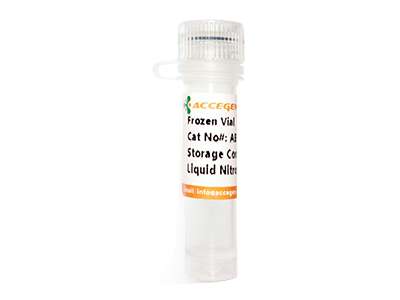 |
|||
风险提示:丁香通仅作为第三方平台,为商家信息发布提供平台空间。用户咨询产品时请注意保护个人信息及财产安全,合理判断,谨慎选购商品,商家和用户对交易行为负责。对于医疗器械类产品,请先查证核实企业经营资质和医疗器械产品注册证情况。
 文献和实验
文献和实验小鼠视网膜铺片及免疫荧光染色 在研究血管性视网膜疾病时,由于小鼠眼球较小,不便于进行眼底血管的直接观察。病理切片染色是诊断及评判的金标准,但该方法只能观察切面形态。视网膜铺片是研究血管性视网膜疾病的常用方法。 下面介绍详细操作流程: 第一步:心脏灌流固定 小鼠麻醉后,仰卧位固定小鼠四肢, 剪开胸腔,充分暴露心脏,在心尖左旁2 mm处用输液针头刺入并剪开右心耳, 迅速灌注生理盐水100mL, 肝肠变白表明灌注成功, 旋转输液开关, 再灌入多聚甲醛溶液100 mL, 小鼠四
脑微血管内皮细胞是构成血脑屏障(blood-brain barrier,BBB)的重要成分,与外周血管内皮细胞不同,它具有高跨内皮阻抗(transendothelial electrical resistance,TER)、细胞间紧密连接、极少的胞饮小泡、缺乏窗孔结构以及含有选择性双向跨细胞膜转运系统等独有的特征,从而使血脑屏障形成一个限制大多数极性分子和蛋白质运动的选择性低渗透性的屏障[1]。由于体外培养的脑微血管内皮细胞保持了较多的其体内固有的特点[1],因此目前脑微血管内皮细胞
摘要: 目的 探讨脑微血管内皮细胞的体外培养方法并进行细胞超微结构研究及组织型纤溶酶原激活物(TPA ) 活性测定。 方法 取新生小鼠脑组织, 通过匀浆、过筛、胶原酶消化、差速粘附等技术对鼠脑微血管内皮细胞进行原代培养, 待细胞铺满瓶底时, 用01125%胰酶20102%EDTA 消化, 离心收集内皮细胞, 进行传代培养。原代、传代各取8 例, 吸取培养液用酶联免疫吸附试验测试TPA 活性。 结果 经Ð 因子相关抗原免疫组织化学鉴定、细胞超微结构观察, 证明培养的是血管内皮细胞。培养


