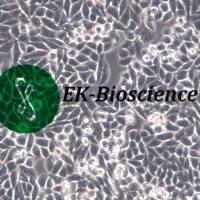
Neuro-2a(N2a)细胞系、Neuro-2a(N2a)细胞株、Neuro-2a(N2a)、Neuro-2a/N2a小鼠脑神经瘤细胞
文献支持

Neuro-2a(N2a)细胞系、Neuro-2a(N2a)

细胞株、Neuro-2a(N2a)、Neuro-2a/N2a小鼠脑神经瘤细胞
收藏
  • ¥500 - 1800
  • ATCC
  • CC-Y2068-1
  • USA
  • 2025年07月12日
    avatar
  • 企业认证

    点击 QQ 联系

    • 详细信息
    • 询价记录
    • 文献和实验
    • 技术资料
    • 物种来源

      小鼠

    • 相关疾病

      QQ:1259039574

    • 组织来源

      电话:13564895879

    • 品系

      Albino A系小鼠

    • ATCC Number

      详询

    • 细胞类型

      详询

    • 肿瘤类型

      详询

    • 供应商

      上海酶研

    • 库存

      5×10⁵

    • 免疫类型

      详询

    • 细胞形态

      上皮细胞样

    • 是否是肿瘤细胞

    • 生长状态

      贴壁生长

    • 年限

      无限

    • 运输方式

      干冰、常温

    • 器官来源

      小鼠

    • 英文名

      详询

    Neuro-2a(N2a)细胞系、Neuro-2a(N2a)细胞株、Neuro-2a(N2a)、Neuro-2a/N2a小鼠脑神经瘤细胞
    Neuro-2a(N2a)细胞系、Neuro-2a(N2a)
    Neuro-2a(N2a)细胞系、Neuro-2a(N2a) Neuro-2a(N2a)细胞系、Neuro-2a(N2a)
    Neuro-2a(N2a)细胞系、Neuro-2a(N2a)
    运输方式: 复苏运输
    细胞类型: 其他细胞类型
    ATCC Number: CCL-131™
    相关疾病: 神经母细胞瘤
    是否是肿瘤细胞: 0
    物种来源: 小鼠
    细胞形态: 其他
    生长状态: 贴壁生长
    器官来源: 大脑
    品系: A
    数量: 大量
    规格:
    Designations: Neuro-2a
    Depositors: RJ Klebe
    Biosafety Level: 1
    Shipped: frozen
    Medium & Serum: See Propagation
    Growth Properties: adherent
    Organism: Mus musculus
    Morphology: neuronal and amoeboid stem cells
    Source: Organ: brain
    Strain: A
    Disease: neuroblastoma
    Cell Type: neuroblast;
    Cellular Products: acetylcholinesterase
    tubulin
    Permits/Forms: In addition to the MTA mentioned above, other ATCC and/or regulatory permits may be required for the transfer of this ATCC material. Anyone purchasing ATCC material is ultimately responsible for obtaining the permits. Please click here for information regarding the specific requirements for shipment to your location.
    Applications: transfection host
    Virus Susceptibility: Herpes simplex virus
    Vesicular stomatitis virus
    Human poliovirus 1
    Antigen Expression: H-2, a haplotype; Mus musculus, expressed
    Cytogenetic Analysis: modal number = 95; range = 59 to 193.
    Karyotype unstable within a stemline range of 94 to 98 chromosomes. All the cells contain 6 to 10 large chromosomes with median or submedian centromeres and 2 to 4 minute chromosomes.
    GenoType: albino
    Comments: Clone Neuro-2a was established by R.J. Klebe and F.H. Ruddle from a spontaneous tumor of a strain A albino mouse. This tumor line, designated C1300, was obtained from the Jackson Laboratory, Bar Harbor, Maine [22161]. Neuro-2a cells produce large quantities of microtubular protein which is believed to play a role in a contractile system which is responsible for axoplasmic flow in nerve cells. The cell line has been used for studies on the mechanism of vinblastine precipitation of microtubular protein, the kinetics of GTP binding to isolated protein, the turnover of microtubules in vivo, and the synthesis and assembly of microtubular protein [PubMed: 5263744]. The World Organization for Animal Health (OIE) uses the cells for routine diagnosis of rabies. (see: http://www.oie.int/Eng/Normes/Mmanual/A-00044.htm) Tested and found negative for ectromelia virus (mousepox).
    Propagation: ATCC complete growth medium: The base medium for this cell line is ATCC-formulated Eagle's Minimum Essential Medium, Catalog No. 30-2003. To make the complete growth medium, add the following components to the base medium: fetal bovine serum to a final concentration of 10%.
    Atmosphere: air, 95%; carbon dioxide (CO2), 5%
    Temperature: 37.0°C
    Subculturing: Protocol:
    1. Remove and discard culture medium.
    2. Briefly rinse the cell layer with 0.25% (w/v) Trypsin - 0.53 mM EDTA solution to remove all traces of serum that contains trypsin inhibitor.
    3. Add 2.0 to 3.0 ml of Trypsin-EDTA solution to flask and observe cells under an inverted microscope until cell layer is dispersed (usually within 5 to 15 minutes).
      Note: To avoid clumping do not agitate the cells by hitting or shaking the flask while waiting for the cells to detach. Cells that are difficult to detach may be placed at 37C to facilitate dispersal.
    4. Add 6.0 to 8.0 ml of complete growth medium and aspirate cells by gently pipetting.
    5. Add appropriate aliquots of the cell suspension to new culture vessels.
    6. Incubate cultures at 37C.

    Subcultivation Ratio: A subcultivation ratio of 1:3 to 1:6 is recommended
    Medium Renewal: 1 to 2 times per week
    Preservation: Freeze medium: Complete growth medium, 95%; DMSO, 5%
    Storage temperature: liquid nitrogen vapor phase
    Related Products: Recommended medium (without the additional supplements or serum described under ATCC Medium):ATCC 30-2003
    recommended serum:ATCC 30-2020
    0.25% (w/v) Trypsin - 0.53 mM EDTA in Hank' BSS (w/o Ca++, Mg++):ATCC 30-2101
    Cell culture tested DMSO:ATCC 4-X
    References: 1023: Olmsted JB, et al. Isolation of microtubule protein from cultured mouse neuroblastoma cells. Proc. Natl. Acad. Sci. USA 65: 129-136, 1970. PubMed: 5263744
    22161: Klebe RJ, Ruddle FH. Neuroblastoma: Cell culture analysis of a differentiating stem cell system. J. Cell Biol. 43: 69A, 1969.
    29352: Naslavsky N, et al. Characterization of detergent-insoluble complexes containing the cellular prion protein and its scrapie isoform. J. Biol. Chem. 272: 6324-6331, 1997. PubMed: 9045652
    29861: Kaneko K, et al. Evidence for protein X binding to a discontinuous epitope on the cellular prion protein during scrapie prion propagation. Proc. Natl. Acad. Sci. USA 94: 10069-10074, 1997. PubMed: 9294164
    32459: Maestrini E, et al. A family of transmembrane proteins with homology to the MET-hepatocyte growth factor receptor. Proc. Natl. Acad. Sci. USA 93: 674-678, 1996. PubMed: 8570614
    酶研生物提醒您

    细胞中出现颗粒的原因以及解决办法
    (酶研生物)发布

    选择优质细胞,选择酶研生物 您实验就成功了一大半

    细胞培养的过程中,经常见到黑色的颗粒或小黑点,这种情况是怎么引起的呢?该怎么避免呢?

    原因:
    黑点,大概有细胞本身带的,环境有的,还有人身上带进细胞间的,还有就是血清和培养基
    1、如果小黑点有增殖趋势,那么就有可能是污染了,需要处理;
    2、如果小黑点没有增殖趋势,且不影响细胞生长,也不影响实验的话,则可能
    a、是“黑胶虫”,黑胶虫究竟是一种生物还是非生物,本身就存在争议。有人认为是从血清中来的一种原虫,也有人认为是细菌,或是真菌,也有人认为是血清中的蛋白的结晶。“黑胶虫”可寄生于动物细胞,也可以生存于培养基中,依靠细胞和培养基中的营养为生,并随细胞传代而传代。“黑胶虫”与细胞竞争性生长,开始时对细胞并没有什么影响,但当黑胶虫的数量多到一定程度的时候, 细胞生长就会受到影响直至死亡,严重影响了科研活动的开展和进行。以前(这个至少是10年以前),很多实验室在养细胞时用国产血清,那时的血清可能质量不过关,有所谓的“黑胶虫”,但是也没有明确的鉴定。但是现在的血清,即使国产的,产品里这种现象就少见了。
    b、是细胞碎片,或血清里德沉淀析出,在做布朗运动。
    c、是核糖体,也可能是杂质

    支原体污染及检测方法 (酶研生物)发布
    (1).支原体污染在细胞培养中最常见、不易被查觉,但支原体污染可显著影响细胞功能干扰实验结果。支原体是介于细菌和病毒之间的目前所知能独立生活的最小微生物,它无细胞壁,形态呈高度多形性,最小直径0.2um,可通过滤器。
     
    支原体在污染细胞后,它通过影响细胞的DNA、RNA 的合成及急速消耗培养基中的氨基酸来抑制细胞的生长,并能降低细胞的融合率。因此,在运用各种细胞系进行实验研究时,首先要证明所用细胞有无支原体的污染。
    上海酶研生物细胞经过严格质控,不含有细菌、真菌、病毒(HIV、HBV、HCV)、支原体。

    (2).支原体污染后,培养基可不发生浑浊,细胞病变轻微或不明显,因此难以发现。目前,支原体检测的方法有以下几种。
    (a).相差显微镜观察;
    (b).低张处理地衣红染色法;
    (c).荧光染色法;
    (d).酶标法;
    (e).PCR法:基础医学细胞中心使用该方法进行检测。
    优点:灵敏度高,检测耗时短,样品量小
    (只需50ul细胞培养用液上清)。
      缺点:引物及制剂费用较高。

    ★★★★★希望以上解决方法可以帮到您★★★★★

    上海酶研生物ATCC细胞特点:

    1.传代情况:P2

    2.活性好、稳定性高、适应性强,易培养

    3.传代快、多:2-3天传一代,普通可传10代以上 肿瘤细胞无限制

    4.纯度高达95% 无污染和其他杂细胞

    5.有技术疑问可以提供一对一的解答:专业,及时,耐心

    6.货期短,一般冻存管5-7个工作日,复苏7-15个工作日。

    我库细胞近3000种,来源于美国ATCC.细胞都是经过严格质量控制。
    冻存细胞时间为5-7个工作日,活细胞为7-15个工作日。

    由于细胞库现有细胞类目多,为了不出现混乱错误,需要了解相关细胞价格及详细资料请老师联系我们,对您造成的不便还请见谅!


    注:如运输过程中导致细胞污染或者死亡,我们将无条件补发
    收货后十个工作日内有其他问题提供照片可半价重发


    风险提示:丁香通仅作为第三方平台,为商家信息发布提供平台空间。用户咨询产品时请注意保护个人信息及财产安全,合理判断,谨慎选购商品,商家和用户对交易行为负责。对于医疗器械类产品,请先查证核实企业经营资质和医疗器械产品注册证情况。

    • 作者
    • 内容
    • 询问日期
    图标文献和实验
    该产品被引用文献

    *发表【中文论文】请标注:由上海酶研生物科技有限公司提供;

    *发表【英文论文】请标注:From Shanghai EK-Bioscience Biotechnology Co., Ltd.

    同类产品报价

    产品名称
    产品价格
    公司名称
    报价日期
    ¥600
    上海烜雅生物科技有限公司
    2025年08月20日询价
    ¥600
    上海联迈生物工程有限公司
    2025年07月10日询价
    ¥1000
    上海澳音生物科技有限公司
    2025年07月06日询价
    ¥1800
    上海晶抗生物工程有限公司
    2025年07月10日询价
    询价
    上海钰博生物科技有限公司
    2025年07月10日询价
    文献支持
    Neuro-2a(N2a)细胞系、Neuro-2a(N2a)细胞株、Neuro-2a(N2a)、Neuro-2a/N2a小鼠脑神经瘤细胞
    ¥500 - 1800