

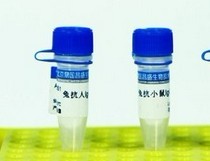
- 询价
- 西格
- XGK2045
- 进口、国产
- 2026年03月16日
- WB=1:100-500 ELISA=1:500-1000 IHC-P=1:100-500 IHC-F=1:100-500 ICC=1:100-500 IF=1:100-500
- 详见说明书
- 详见说明书

企业认证
相关产品推荐更多 >


万千商家帮你免费找货
0 人在求购买到急需产品
- 详细信息
- 文献和实验
- 技术资料
- 供应商:
上海西格
- 库存:
29
- 靶点:
详见说明书
- 级别:
详见说明书
- 目录编号:
详见说明书
- 克隆性:
多克隆
- 抗原来源:
Rabbit
- 保质期:
详见说明书
- 抗体英文名:
Anti-GSS/Glutathione Synthetase
- 抗体名:
谷胱甘肽合成酶抗体
- 标记物:
详见说明书
- 宿主:
详见说明书
- 适应物种:
详见说明书
- 免疫原:
KLH conjugated synthetic peptide derived from human Glutathione Synthetase
- 亚型:
IgG
- 形态:
详见说明书
- 应用范围:
WB=1:100-500 ELISA=1:500-1000 IHC-P=1:100-500 IHC-F=1:100-500 ICC=1:100-500 IF=1:100-500
- 浓度:
1mg/1ml
- 保存条件:
详见说明书
- 规格:
0.1ml/100μg 0.2ml/200μg
1.材料与试剂
a.提取的动物 Ig
b.弗氏完全佐剂和弗氏不完全佐剂
c.青霉素和链霉素
d.实验动物 兔
e.其它材料及试剂
2、选择实验活体。
3、进行动物免疫实验。
4、试取血样进行测试,查看免疫效果。
5、如果免疫成功,杀死实验活体,采集全部血清。
6、纯化出抗体。
7、鉴定抗体。胎牛血清(无菌采制)
| 产品名称 | Anti-GSS/Glutathione Synthetase抗体 |
| 英文名称 | Anti-GSS/Glutathione Synthetase |
| 货号 | XGK2045 |

英文名称 Anti-GSS/Glutathione Synthetase
中文名称 谷胱甘肽合成酶抗体
别 名 Glutathione synthase; GSH S; GSH synthetase; GSH-S; GSHB_HUMAN; GSHS; GSS antibodyMGC14098; OTTHUMP00000030711.
浓 度 1mg/1ml
规 格 0.1ml/100μg 0.2ml/200μg
抗体来源 Rabbit
克隆类型 polyclonal
交叉反应 Human, Mouse, Rat, Dog, Pig, Cow, Horse, Sheep
产品类型 一抗
研究领域 肿瘤 细胞生物 神经生物学 信号转导 新陈代谢
蛋白分子量 predicted molecular weight: 52kDa
性 状 Lyophilized or Liquid
免 疫 原 KLH conjugated synthetic peptide derived from human Glutathione Synthetase
亚 型 IgG
纯化方法 affinity purified by Protein A
储 存 液 Preservative: 15mM Sodium Azide, Constituents: 1% BSA, 0.01M PBS, pH 7.4
产品应用 WB=1:100-500 ELISA=1:500-1000 IHC-P=1:100-500 IHC-F=1:100-500 ICC=1:100-500 IF=1:100-500
(石蜡切片需做抗原修复)
not yet tested in other applications.
optimal dilutions/concentrations should be determined by the end user.
保存条件 Store at -20 °C for one year. Avoid repeated freeze/thaw cycles. The lyophilized antibody is stable at room temperature for at least one month and for greater than a year when kept at -20°C. When reconstituted in sterile pH 7.4 0.01M PBS or diluent of antibody the antibody is stable for at least two weeks at 2-4 °C.
Important Note This product as supplied is intended for research use only, not for use in human, therapeutic or diagnostic applications.
产品介绍 GSS (Glutathione synthetase) is a 474 amino acid protein encoded by the gene located at human chromosome 20q11.2. GSS consists of three loops projecting from an antiparallel ∫-sheet, a parallel ∫-sheet and a lid of anti-parallel sheets, which provide access to the ATP-binding site. Although Southern blot and gene analysis suggest that GSS may be the only member of a unique family, the crystal structure indicates that GSS belongs to the ATP-GRASP superfamily. GSS is expressed in hemocytes and nucleated cells, including the brain. GSS occurs as a homodimer. There are two steps in the production of Glutathione, begining with GSS (Glutathione synthetase) is a 474 amino acid protein encoded by the gene located at human chromosome 20q11.2. GSS consists of three loops projecting from an antiparallel ∫-sheet, a parallel ∫-sheet and a lid of anti-parallel sheets, which provide access to the ATP-binding site. Although Southern blot and gene analysis suggest that GSS may be the only member of a unique family, the crystal structure indicates that GSS belongs to the ATP-GRASP superfamily. GSS is expressed in hemocytes and nucleated cells, including the brain. GSS occurs as a homodimer. There are two steps in the production of Glutathione, begining with ©-GCS and ending with GSS. In an ATP-dependent reaction, GSS produces Glutathione from ©-glutamylcysteine and glycine precursors. Partial hepatectomy, diethyl maleate, buthionine sulfoximine, tert-butylhaydroquinone and thioacetamide increase the ex-pression of GSS, which causes an increase in Glutathione levels. An inherited autosomal recessive disorder, 5-oxoprolinuria (pyroglutamic aciduria), is caused by GSS deficiencies, which leads to central nervous system damage, hemolytic anemia, metabolic acidosis and urinary excretion of 5-oxoproline. A missense mutation in the gene encoding GSS leads to a GSS deficiency restricted to erythrocytes, which causes only hemolytic anemia.-GCS and ending with GSS. In an ATP-dependent reaction, GSS produces Glutathione from ©-glutamylcysteine and glycine precursors. Partial hepatectomy, diethyl maleate, buthionine sulfoximine, tert-butylhaydroquinone and thioacetamide increase the ex-pression of GSS, which causes an increase in Glutathione levels. An inherited autosomal recessive disorder, 5-oxoprolinuria (pyroglutamic aciduria), is caused by GSS deficiencies, which leads to central nervous system damage, hemolytic anemia, metabolic acidosis and urinary excretion of 5-oxoproline. A missense mutation in the gene encoding GSS leads to a GSS deficiency restricted to erythrocytes, which causes only hemolytic anemia.
Function : Sulfur metabolism; glutathione biosynthesis; glutathione from L-cysteine and L-glutamate: step 2/2.
Subunit : Homodimer.
DISEASE : Defects in GSS are the cause of glutathione synthetase deficiency (GSS deficiency) [MIM:266130]; also known as 5-oxoprolinuria or pyroglutamic aciduria. It is a severe form characterized by an increased rate of hemolysis and defective function of the central nervous system.
Defects in GSS are the cause of glutathione synthetase deficiency of erythrocytes (GLUSYNDE)[MIM:231900]. Glutathione synthetase deficiency of erythrocytes is a mild form causing hemolytic anemia.
Similarity : Belongs to the eukaryotic GSH synthase family.
Database links : UniProtKB/Swiss-Prot: P48637.1

实验原理 :
(1)特异性结合抗原:抗体本身不能直接溶解或杀伤带有特异抗原的靶细胞,通常需要补体或吞噬细胞等共同发挥效应以清除病原微生物或导致病理损伤。然而,抗体可通过与病毒或毒素的特异性结合,直接发挥中和病毒的作用。
(2)活补体:IgM、IgG1、IgG2和IgG3可通过经典途径激活补体,凝聚的IgA、IgG4和IgE可通过替代途径激活补体。
(3)结合细胞:不同类别的免疫球蛋白,可结合不同种的细胞,参与免疫应答。
(4)可通过胎盘及粘膜:免疫球蛋白G(IgG)能通过胎盘进入胎儿血流中,使胎儿形成自然被动
免疫。免疫球蛋白A(IgA)可通过消化道及呼吸道粘膜,是粘膜局部抗感染免疫的主要因素。
(5)具有抗原性:抗体分子是一种蛋白质,也具有刺机体产生免疫应答的性能。不同的免疫球蛋白分子,各具有不同的抗原性。
(6)抗体对理化因子的抵抗力与一般球蛋白相同:不耐热,60~70℃即被破坏。各种酶及能使蛋白质凝固变性的物质,均能破坏抗体的作用。抗体可被中性盐类沉淀。在上常可用硫酸铵或硫酸钠从免疫血清中沉淀出含有抗体的球蛋白,再经透析法将其纯化。
我司提供以下技术外包服务:
1. Anti-GSS/Glutathione Synthetase抗体分子生物学:质粒抽提、PCR、Q-PCR、RT-PCR、分子生物学:基因合成、引物合成、基因测序、载体构建等
2.蛋白工程:原核、哺乳动物蛋白表达系统等
3.病毒包装:腺病毒、慢病毒等
4.抗体工程:磁珠分选、病理染色、WB、ELISA、IP、IF、IHC、FACS、Confocal等等
5.细胞工程:细胞表型分析(凋亡、增殖、周期、迁移、侵袭、修复、克隆形成)、细胞培养、细胞膜制备、稳定细胞株构建、细胞RNAi技术等等。
抗体的鉴定:
1)抗体的效价鉴定:鉴定效价的方法很多,包括有试管凝集反应,琼脂扩散试验,酶联免疫吸附试验等。常用的抗原所制备的抗体一般都有约成的鉴定效价的方法,以资比较。如制备抗抗体的效价,一般就采用琼脂扩散试验来鉴定。
2)抗体的特异性鉴定:抗体的特异性是指与相应抗原或近似抗原物质的识别能力。抗体的特异性高,它的识别能力就强。衡量特异性通常以交叉反应率来表示。交叉反应率可用竞争抑制试验测定。以不同浓度抗原和近似抗原分别做竞争抑制曲线,计算各自的结合率,求出各自在IC50时的浓度,并按公式计算交叉反应率。
3)真核翻译起始因子2C2抗体的亲和力:是指抗体和抗原结合的牢固程度。亲和力的高低是由抗原分子的大小,抗体分子的结合位点与抗原决定簇之间立体构型的合适度决定的。有助于维持抗原抗体复合物稳定的分子间力有氢键,疏水键,侧链相反电荷基因的库仑力,范德华力和空间斥力。亲和力常以亲和常数K表示,K的单位是L/mol。
Anti-Microsporidia/FITC 荧光素标记蜜蜂微孢子虫蛋白抗体IgGMulti-class antibodies规格: 0.2ml
Anti-TOPO II Alpha/DNA TP II Alpha /FITC 荧光素标记DNA拓普西异构酶Ⅱ抗体IgGMulti-class antibodies规格: 0.2ml
Rhesus antibody Rh ACADS 酰基辅酶A脱氢酶短链抗体 规格 0.2ml
Rabbit Anti-Avidin/Alexa Fluor 555 Alexa Fluor 555标记的兔抗亲和素 0.1ml
GPCR G2A 英文名称: G蛋白偶联受体G2A抗体 0.1ml
Rhesus antibody Rh Rabbit Anti-Avidin/Cy5 Cy5标记的兔抗亲和素 规格 0.1ml
Anti-TOPO II Alpha/DNA TP II Alpha /FITC 荧光素标记DNA拓普西异构酶Ⅱ抗体IgGMulti-class antibodies规格: 0.2ml
(NF-κB)ELISA Kit 大鼠核因子κBMulti-class antibodies规格: 48T
Anti-SYVN1 滑膜细胞凋亡抑制物1抗体Multi-class antibodies规格: 0.2ml
Rhesus antibody Rh Goat Anti-Guinea pig IgG/FITC FITC标记的羊抗豚鼠IgG 规格 0.3ml
SCCAg(Human squamous cell carcinoma related antigen) ELISA Kit 人鳞状细胞癌相关抗原 96T
NFIA 英文名称: 核因子1A抗体 0.1ml
BMP5 英文名称: 骨形态发生蛋白5抗体 0.1ml
Anti-SYVN1 滑膜细胞凋亡抑制物1抗体Multi-class antibodies规格: 0.2ml
BB-Ab(Human anti-B burgdorleri antibody) ELISA Kit 人抗BB抗体Multi-class antibodies规格: 48T
Anti-IL-27R/TCCR 白细胞介素27受体抗体Multi-class antibodies规格: 0.2ml
Rhesus antibody Rh LTBP4 转化生长因子β结合蛋白4抗体 规格 0.2ml
BSP(Human bone sialoprotein) ELISA Kit 人骨涎蛋白 96T
RAB5 英文名称: ras癌基因家族Rab5蛋白抗体 0.1ml
Phospho-Cyclin B1 (Ser147) 英文名称: 0酸化周期素B1抗体 0.1ml
Anti-IL-27R/TCCR 白细胞介素27受体抗体Multi-class antibodies规格: 0.2ml
ClostridiumPerfringensAssayMedium
北沙参亚碲酸胨水培养基基础 Beisachang Sodium Tellurite Broth Base 用于金黄色葡萄球菌的增菌培养。每100ml培养基需另加入1%亚碲酸0.2ml
植物(大豆)蛋白胨 Peptone from Soybean Meal 200 培养基原材料,含碳水化合物,提供细菌生长氮源
CW琼脂基础(不含卡那霉素)250g/瓶用于加热材料魏氏梭菌的检验,需添加卵黄盐水悬液(2或脱纤维血液(日本)incubationmediaCW琼脂基础(不含卡那霉素)250g/瓶用于加热材料魏氏梭菌的检验,需添加卵黄盐水悬液(2或脱纤维血液(日本)
Columbia-MUGMedium
Anti-GSS/Glutathione Synthetase抗体VibrioparahaemolyticusBroth
PseudomonasCFCSelectiveAgar
Campy-Cefex 琼脂基础 Campy-Cefex Agar Base 250 用于弯曲杆菌分离培养(FDA方法)
LES-Endo琼脂250g/瓶用于大肠菌群滤膜法检测incubationmediaLES-Endo琼脂250g/瓶用于大肠菌群滤膜法检测
HektoenEntericAgar
风险提示:丁香通仅作为第三方平台,为商家信息发布提供平台空间。用户咨询产品时请注意保护个人信息及财产安全,合理判断,谨慎选购商品,商家和用户对交易行为负责。对于医疗器械类产品,请先查证核实企业经营资质和医疗器械产品注册证情况。
 文献和实验
文献和实验酶分类的主要类别之一。为催化与 ATP等三磷酸核苷的分解伴有形成新化学键可逆反应的酶之总称。催化具有有机化学意义的合成反应,分为两个分子相加的裂解酶和移换反应的移换酶两类。所以还是将不伴随腺苷三磷酸的分解而催化合成反应的酶称为合成酶( Synthase)较为适宜。合成酶催化的反应含 ATP等基质,反应复杂, ATP分解为 ADP与正磷酸或 AMP与焦磷酸。根据生成键的种类而更分为:( 1) C-O键,例如氨酰 tRNA合成酶;( 2) C-S键,例如乙酰 CoA合成
抗体的结构决定了其对应的功能,同一抗体的V区和C区的氨基酸组成和顺序不同,决定了其功能上的差异。V区和C区的组成和结构,决定了抗体的生物学功能。 图1:抗体的主要功能(图片来源:Abbas et al: Cellular and Molecular Immunology, 7e.) 1、特异性识别功能 抗体可以通过其结构上的可变区域与抗原结合,同时,具有极高的特异性。这种特异性识别功能可以使抗体识别和结合到感染的病原体,肿瘤细胞等不同种类的分子,帮助免疫系统识别并定位到这些分子,进而启动
在生命科学和医学基础研究中,或多或少都需要用到抗体。抗体的应用场景不同、标记物众多,且针对同一标记物市场上往往有多个抗体可供选择,那么,我们如何从成百万上千万种抗体中,挑选出我们想要的那支呢? 在我们6月份的关于抗体的调研活动中,我们发现,大家更多的是去参考文献或专利中的材料和方法部分,这无疑很大程度上保证了抗体的有效性。其次有45%和34%的受访者会用到百度和谷歌,然而这两个搜索引擎覆盖面颇广,经常会出现抗体无关的搜索结果,而专业用于查找抗体的网站,大家却知之甚少。 因此,本次文章中
 技术资料
技术资料暂无技术资料 索取技术资料

