

- 询价
- BIO-RAD

- MCA1957FA
- 2025年10月17日
- F *
- Mouse

企业认证
相关产品推荐更多 >
万千商家帮你免费找货
0 人在求购买到急需产品
- 详细信息
- 文献和实验
- 技术资料
- 免疫原:
Purified Concanavalin A acceptor glycoprotein from P815 cell line.
- 亚型:
IgG2a
- 形态:
Purified IgG conjugated to Fluorescein Isothiocyanate Isomer 1 (FITC) - liquid
- 克隆性:
Monoclonal Antibody
- 标记物:
FITC
- 适应物种:
Mouse
- 保质期:
自发货之日起 12 个月
- 目录编号:
FA-11
- 供应商:
伯乐生命医学产品(上海)有限公司
- 应用范围:
F *
- 浓度:
IgG concentration 0.1mg/ml
- 抗体名:
CD68 antibody | FA-11
- 规格:
50 µg/0.1 mg
| 规格: | 50 µg | 产品价格: | 询价 |
|---|---|---|---|
| 规格: | 0.1 mg | 产品价格: | 询价 |
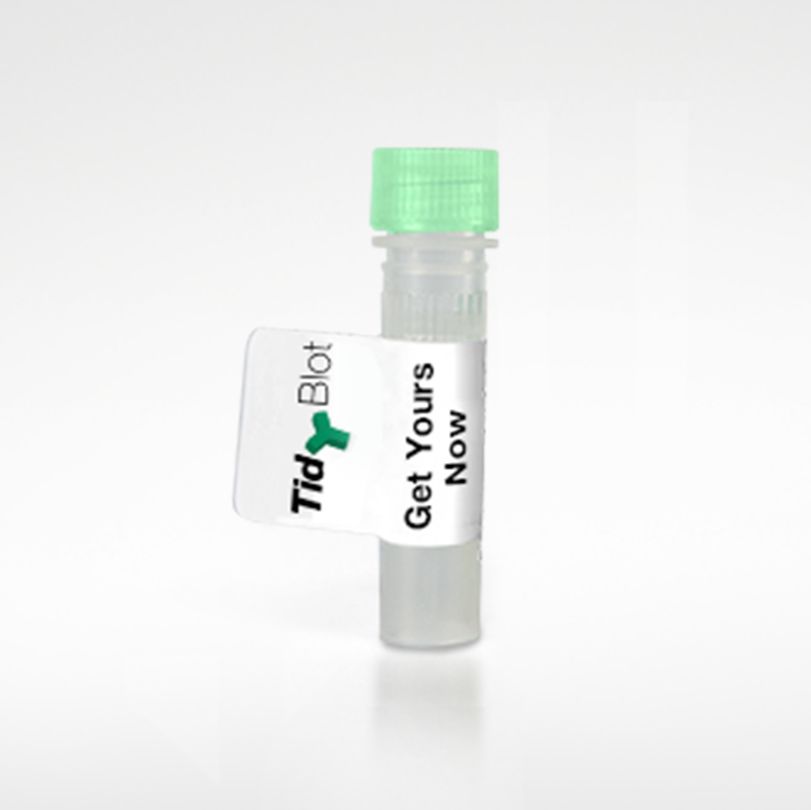
Rat anti Mouse CD68 antibody, clone FA-11 recognizes mouse macrosialin, a heavily glycosylated transmembrane protein and murine homolog of human CD68, classified as a unique scavenger receptor (ScR) family member, due to the presence of a lysosome associated membrane protein (LAMP)-like domain.
CD68 is considered a pan macrophage marker, predominantly expressed on the intracellular lysosomes of tissue macrophages/monocytes, including Kupffer cells, microglia, histiocytes and osteoclasts, and is expressed to a lesser extent by dendritic cells and peripheral blood granulocytes.
CD68 is expressed by many tumor types including some B cell lymphomas, blastic NK lymphomas, melanomas, granulocytic (myeloid) sarcomas, hairy cell leukemias, and renal, urinary and pancreatic tumors, and can be used to demonstrate the presence/localization of macrophages.
Rat anti mouse CD68 antibody, clone FA-11, has been used in many mouse models for the identification of CD68 in immunohistochemical assays, using both frozen and paraffin-embedded tissues (Masaki et al. 2003) and (Devey et al. 2009).
Rat anti mouse CD68 antibody, clone FA-11 can be used in flow cytometry to detect intracellular CD68, following permeabilization, and can detect surface macrosialin at low levels in resident mouse peritoneal macrophages which can be enhanced with thioglycollate stimulation.
CD68 is considered a pan macrophage marker, predominantly expressed on the intracellular lysosomes of tissue macrophages/monocytes, including Kupffer cells, microglia, histiocytes and osteoclasts, and is expressed to a lesser extent by dendritic cells and peripheral blood granulocytes.
CD68 is expressed by many tumor types including some B cell lymphomas, blastic NK lymphomas, melanomas, granulocytic (myeloid) sarcomas, hairy cell leukemias, and renal, urinary and pancreatic tumors, and can be used to demonstrate the presence/localization of macrophages.
Rat anti mouse CD68 antibody, clone FA-11, has been used in many mouse models for the identification of CD68 in immunohistochemical assays, using both frozen and paraffin-embedded tissues (Masaki et al. 2003) and (Devey et al. 2009).
Rat anti mouse CD68 antibody, clone FA-11 can be used in flow cytometry to detect intracellular CD68, following permeabilization, and can detect surface macrosialin at low levels in resident mouse peritoneal macrophages which can be enhanced with thioglycollate stimulation.
储存信息
This product is shipped at ambient temperature. It is recommended to aliquot and store at -20°C on receipt. When thawed, aliquot the sample as needed. Keep aliquots at 2-8°C for short term use (up to 4 weeks) and store the remaining aliquots at -20°C.
Avoid repeated freezing and thawing as this may denature the antibody. Storage in frost-free freezers is not recommended. This product is photosensitive and should be protected from light.
Avoid repeated freezing and thawing as this may denature the antibody. Storage in frost-free freezers is not recommended. This product is photosensitive and should be protected from light.
应用
This product has been reported to work in the following applications. This information is derived from testing within our laboratories, peer-reviewed publications or personal communications from the originators. Please refer to references indicated for further information. For general protocol recommendations, please visit the antibody protocols page.
| Application Name | Verified | Min Dilution | Max Dilution |
|---|---|---|---|
| Flow Cytometry 1 | ✓ | Neat | 1/10 |
- 1 Membrane permeabilisation is required for this application. Bio-Rad recommends the use of Leucoperm (Product Code BUF09) for this purpose.
The Fc region of monoclonal antibodies may bind non-specifically to cells expressing low affinity Fc receptors. This may be reduced by using SeroBlock FcR (Product Code BUF041).
Where this product has not been tested for use in a particular technique this does not necessarily exclude its use in such procedures. Suggested working dilutions are given as a guide only. It is recommended that the user titrates the product for use in their own system using appropriate negative/positive controls.
- Flow Cytometry
- Use 10μl of the suggested working dilution to label 106 cells in 100μl
风险提示:丁香通仅作为第三方平台,为商家信息发布提供平台空间。用户咨询产品时请注意保护个人信息及财产安全,合理判断,谨慎选购商品,商家和用户对交易行为负责。对于医疗器械类产品,请先查证核实企业经营资质和医疗器械产品注册证情况。
 文献和实验
文献和实验该产品被引用文献
Source Reference
- Smith, M. and Koch, G. (1987) Differential expression of murine macrophage surface glycoprotein antigens in intracellular membranes.
J Cell Sci. 87:113-9.
References for CD68 antibody
- Rabinowitz, S.S. & Gordon, S. (1991) Macrosialin, a macrophage-restricted membrane sialoprotein differentially glycosylated in response to inflammatory stimuli.
J Exp Med. 174 (4): 827-36. - Ramprasad, M.P. et al. (1996) Cell surface expression of mouse macrosialin and human CD68 and their role as macrophage receptors for oxidized low density lipoprotein.
Proc Natl Acad Sci U S A. 93 (25): 14833-8. - da Silva, R.P. & Gordon, S. (1999) Phagocytosis stimulates alternative glycosylation of macrosialin (mouse CD68), a macrophage-specific endosomal protein.
Biochem J. 338 ( Pt 3): 687-94. - de Beer, M.C. et al. (2003) Lack of a direct role for macrosialin in oxidized LDL metabolism.
J Lipid Res. 44: 674-85. - Masaki, T. et al. (2003) Heterogeneity of antigen expression explains controversy over glomerular macrophage accumulation in mouse glomerulonephritis.
Nephrol. Dial. Transplant 18:178-81. - Schleicher, U. et al. (2005) Minute numbers of contaminant CD8+ T cells or CD11b+CD11c+ NK cells are the source of IFN-{gamma} in IL-12/IL-18-stimulated mouse macrophage populations.
Blood 105: 1319-1328. - Echeverry, A. et al. (2007) Murine neonates are highly resistant to Yersinia enterocolitica following orogastric exposure.
Infect Immun. 75: 2234-43. - Baran, C.P. et al. (2007) Important roles for macrophage colony-stimulating factor, CC chemokine ligand 2, and mononuclear phagocytes in the pathogenesis of pulmonary fibrosis.
Am J Respir Crit Care Med. 176: 78-89.
 技术资料
技术资料暂无技术资料 索取技术资料
文献支持
Rat anti Mouse CD68:FITC,clone FA-11
询价
