

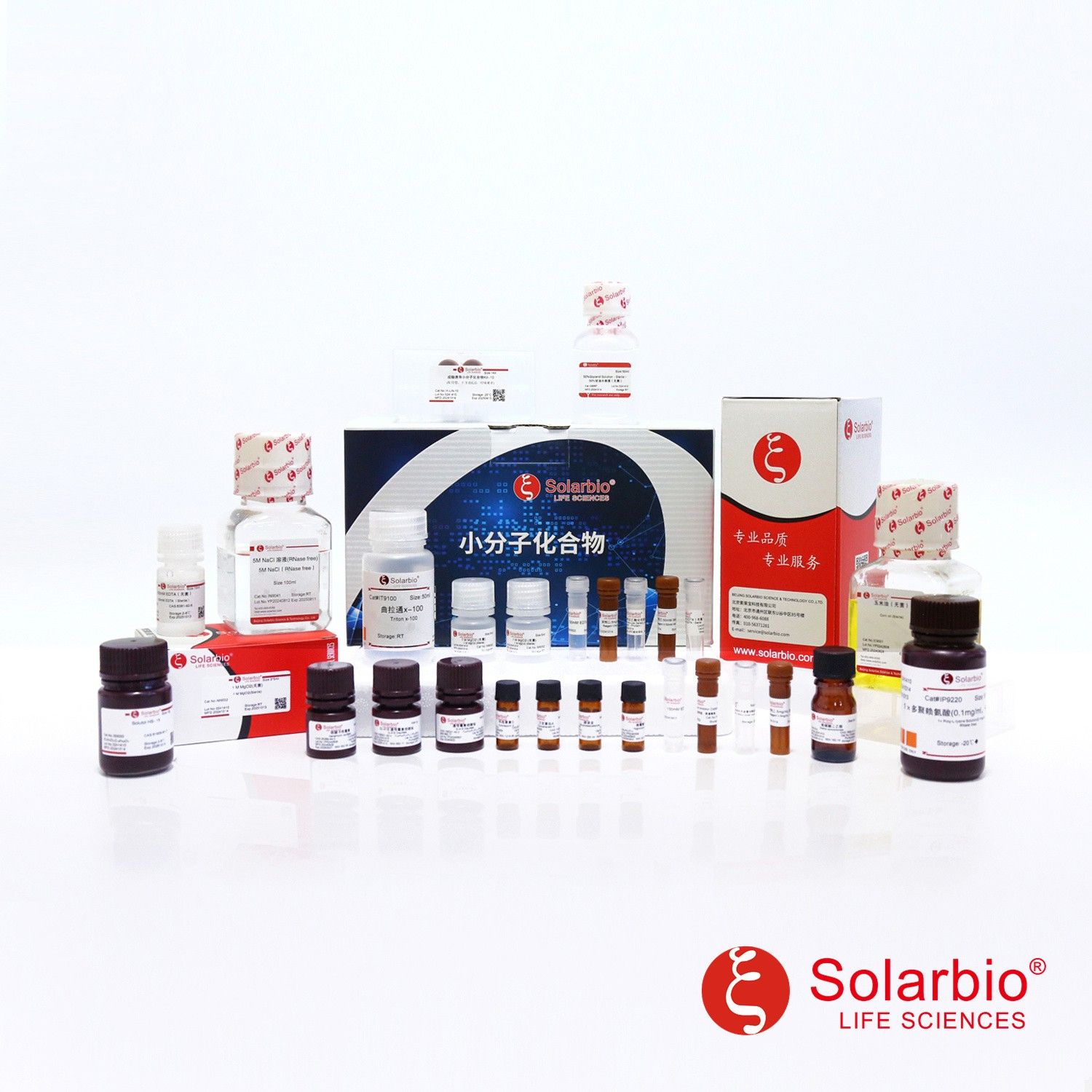
- ¥1080 - 4360
- Solarbio

- 北京
- IV1430
- 2025年07月22日

企业认证
相关产品推荐更多 >
万千商家帮你免费找货
0 人在求购买到急需产品
- 详细信息
- 文献和实验
- 技术资料
- 保存条件:
Powder:2-8℃,2 years;Insolvent(母液):-20℃,6 months;-80℃,1 year
- 保质期:
Powder:2-8℃,2 years;Insolvent(母液):-20℃,6 months;-80℃,1 year
- 英文名:
VLX-1570
- 库存:
现询
- 供应商:
北京索莱宝科技有限公司
- CAS号:
1431280-51-1
- 规格:
10mg/5mg/1mg
| 规格: | 10mg | 产品价格: | ¥4360.0 |
|---|---|---|---|
| 规格: | 5mg | 产品价格: | ¥2720.0 |
| 规格: | 1mg | 产品价格: | ¥1080.0 |
| 基本信息 | |
| CAS | No.1431280-51-1 |
| 英文名称 | VLX-1570 |
| 分子式 | C23H17F2N3O6 |
| 分子量 | 469.39 |
| 溶解性 | Soluble in DMSO ≥3mg/mL |
| 纯度 | ≥98% |
| 外观(性状) | Light yellow to yellow Solid |
| 储存条件 | Powder:2-8℃,2 years;Insolvent(母液):-20℃,6 months;-80℃,1 year |
| SMILES | C=CC(=O)N1CCC(=CC2=CC(=C(C=C2)F)[N+](=O)[O-])C(=O)C(=CC3=CC(=C(C=C3)F)[N+](=O)[O-])C1 |
| InChIKey | SCKXBVLYWLLALY-CQRYCMKKSA-N |
| InChI | InChI=1S/C23H17F2N3O6/c1-2-22(29)26-8-7-16(9-14-3-5-18(24)20(11-14)27(31)32)23(30)17(13-26)10-15-4-6-19(25)21(12-15)28(33)34/h2-6,9-12H,1,7-8,13H2/b16-9-,17-10- |
| PubChem CID | 118989091 |
| 靶点 | Deubiquitinases (DUBs) |
| 通路 | Ubiquitin |
| 背景说明 | VLX1570是蛋白酶体脱泛素酶 (DUBs) 的竞争性抑制剂。 |
| 生物活性 | VLX1570 is a competitive inhibitor of proteasome deubiquitinases (DUBs) with an IC50 of approximate 10 μM.[1-3] |
| IC50 | IC50: appr 10?μM (Deubiquitinase)[2] |
| In Vitro | VLX1570 inhibits USP14 and UCHL5 activity of 19S regulatory particles, and the inhibition of USP14 is more pronounced. VLX1570 (1 μM) shows inhibitory activity against USP14 in KMS-11 myeloma cells. VLX1570 exhibits an IC50 of 0.58 μM on HCT116 cells[1]. VLX1570 binds to recombinant USP14 with Kd of 1.5-18?μM using two different sources of recombinant protein, and the Kd for recombinant UCHL5 is higher (14-18?μM) compared to that of USP14. VLX1570 has potent antiproliferative activities on multiple myeloma cells, with IC50s of 43?±?2 nM, 74?±?2 nM, 126?±?3 nM, and 191?±?1 nM for KMS-11, RPMI8226, OPM-2, and OPM-2-BZR cells, respectively[2]. VLX1570 suppresses the viability of BCWM.1 cells, with an EC50 of 20.22?nM. VLX1570 (100, 250, 500 nM) induces significant apoptosis by 12?h in a dose-dependent manner in all Waldenstrom macroglobulinemia (WM) cell lines tested, including BCWM.1/IR (IR) and BCWM.1/BR (BR) subclones. VLX1570 (100, 250, 500 nM) also causes ER stress machinery and mitochondrial damage in WM cells. VLX1570 (250?nM) downregulates BCR-signalosome components and their end effectors, as well as CXCR4 expression in WM cells[3]. |
| 细胞实验 | VLX1570 (3?mg/kg) significantly decreases tumor growth in mice bearing KMS-11 multiple myeloma cells[2]. VLX1570 (4.4?mg/kg, i.p.) markedly suppresses tumor growth, without obvious weight loss and other signs of systemic toxicity in the Waldenstrom macroglobulinemia (WM)-bearing mice[3]. |
| 细胞实验 | Cell viability is monitored by the MTT (3-(4,5-dimethylthiazol-2-yl)-2,5-diphenyltetrazolium bromide) assay. For the MTT assay, cells are suspended at 5 × 10⁵ cells/mL, and 100?μL aliquots are dispended into 96-well microtiter plates and exposed to drugs using DMSO as control. At the end of incubations, 10?μL of a stock solution of 5?mg/mL MTT (3-(4,5-dimethylthiazol-2-yl)-2,5-diphenyltetrazolium bromide), is added into each well, and the plates are incubated 4?hours at 37°C. Formazan crystals are dissolved with 100?μL of 10% SDS/10?mM HCl solution overnight at 37°C. Since MTT assays are affected by mitochondrial activity, and since OXPHOS is affected by VLX1570, the acid phosphatase method49 are used to determine cell viability in some experiments. After washing twice with PBS, cells are lysed in 100?μL of 0.1?M sodium acetate, 0,1% Triton X-100, p-nitrophenylphosphate and incubated for 90?min at 37°C. At the end of the incubation, 10?μL NaOH is added to each well and A405 is determined[2]. |
| 动物实验 | Animal experiment is performed with a sample size of 7 per group, 80% power at the 5% significance level to detect a difference in means of 1800 mm3 between the 2 groups. For percentage change in IgM from baseline, with a sample size of 7 per group, 80% power at the 5% significance level is calculated to detect a difference in means of 450% between the 2 groups. Fourteen female NOD/SCID mice (6-8 weeks of age) are subcutaneously implanted with 1× 10⁶ luciferase labeled RPCI-WM1 cells (Luc-RPCI-WM1), which are allowed to grow till a bioluminescent signal is observed by IVIS imaging (Day 20). On day 21, mice are randomized into 2 groups (n=7 each), with one group receiving vehicle (cremaphor+PEG+Tween) and the other receiving VLX1570 at 4.4 mg/kg via intraperitoneal injection. The investigator is not blinded to the group allocation. Both groups are respectively treated with either vehicle or VLX1570 every alternate day for 22 days. Sizes of the tumors is measured every 3- 4 days using direct caliper measurements, and volume of the tumorsis calculated using the formula (width)2 × length/2. Bioluminescent tumor imaging is performed with the Xenogen imaging system on Days 0, 20, 30, 36 and 43 post-tumor implantation. Blood from mice is collected on the same days by submandibular venous puncture, with sera subsequently separated for quantification of human IgM levels’ using ELISA. On Day 44, mice are sacrificed, and final tumor volume is measured in control and treatment arms. All images are obtained using a Canon D40 digital camera. No specific criteria for inclusion/exclusion are used as all mice formed tumors and are therefore included into the study[3]. |
| 激酶实验 | Preparations of 26S proteasomes (1 nM) are pretreated with DMSO, VLX1570, or b-AP15 for 2 min in assay buffer (25 mM Tris, 5 mM MgCl2, 10% glycerol, 0.05 mg/mL BSA, 2 mM ATP, and 1 mM DTT) before addition of Ubrhodamine. Fluorescence is monitored at 37°C using Ex/Em = 490 nm/520 nm to read data every 10 second for 30 min using a TECAN infinite 200 instrument. For UbVS labeling of KMS 11 cells, cell pellets are lysed from control or treated cells with buffer (50 mM HEPES pH 7.4, 250 mM sucrose, 10 mM MgCl2, 2 mM ATP, 1 mM DTT) on ice for 30 min and removed debris by centrifugation. Twenty five μg of protein is labeled with 1 μM UbVS for 30 min at 37°C. Samples are resolved by SDS-PAGE and subjected to immunoblotting. For UbVS labeling of proteasomes, purified 19S proteasomes (50 nM) are pretreated with DMSO, VLX1570, or b-AP15 (50 μM) for 10 min at room temperature, followed by labeling with 1 μM HA-UbVS for 30 min at 37°C and by immunoblotting[1]. |
| 数据来源文献 | [1]. Wang X, et al. Synthesis and evaluation of derivatives of the proteasome deubiquitinase inhibitor b-AP15. Chem Biol Drug Des. 2015 Nov;86(5):1036-48. [2]. Wang X, et al. The proteasome deubiquitinase inhibitor VLX1570 shows selectivity for ubiquitin-specific protease-14 and induces apoptosis of multiple myeloma cells. Sci Rep. 2016 Jun 6;6:26979. [3]. Paulus A, et al. Coinhibition of the deubiquitinating enzymes, USP14 and UCHL5, with VLX1570 is lethal to ibrutinib- or bortezomib-resistant Waldenstrom macroglobulinemia tumor cells. Blood Cancer J. 2016 Nov 4;6(11):e492. |
| 单位 | 瓶 |
风险提示:丁香通仅作为第三方平台,为商家信息发布提供平台空间。用户咨询产品时请注意保护个人信息及财产安全,合理判断,谨慎选购商品,商家和用户对交易行为负责。对于医疗器械类产品,请先查证核实企业经营资质和医疗器械产品注册证情况。
 文献和实验
文献和实验同时,Apaf―1可以激活原形的caspase―9,形成细胞色素C/Apaf―1/caspase―9复合体,即凋亡复合体(apoptosome)。该复合体水解并激活下游的caspase通路如caspase―3等。 凋亡复合体的形成是凋亡信号启动的关键步骤。目前发现激活的癌基因可以辅助凋亡复合体的形成,比如腺病毒EIA可以上调Apaf―1和caspase―9,E2F1可以上调Apaf―1的表达。Apaf―1的释放可促进凋亡复合体的形成,对凋亡的启动起促进作用。目前的研究认为,细胞
2F+DwTquooTcizAj6Sh40arj1e+iWJ2ispgsbT801bWi9OaaVDQ0u7N9Rf22Q7je3ypEkT/aXtAx/4gHh20RbetchuWXizve3YY/3L0LGHHqt8Cva+97zf/vEfvyYb4imWXpTxLz8m4rvgjodswc3X26Xnn2o3LbjZPv/Fv5GGuGa33/ZzO2n2HD17NAEWeUXwmQh44uy32U+uutL+69e+6jjedfsddvSxx3m8xNNFQ67wipqQKHyESZ35
5+YiLLj4HREBXstjztk7uH3PDncf2sPhxRlMq6wGF+vZ2OlE8VGoBH85gWn/XYBn2ck48eAqDu+xwjbrU7h2Zz2aZ3fD6YWWeBFuzJv2yfAMMyYBFj4y5r7yqpgAE0jPBFRyolzbpihAeo1X9z5K2o2YlqOUxRTN25rQLQ+8+x4oVfFzvgFHklZM2raEadaIsxjVfI0wedUizB5fB7r8yR8TTr6mQAL8FlQgbB6KCTABJiAfgWD8ev0cIrh
 技术资料
技术资料暂无技术资料 索取技术资料

