- ¥600 - 3200
- 上海莼试
- CS-01Y64263
- 国产
- 2025年08月12日
9 年钻石会员
企业认证
相关产品推荐更多 >
万千商家帮你免费找货
0 人在求购买到急需产品
- 详细信息
- 文献和实验
- 技术资料
- 库存:
42
- 英文名:
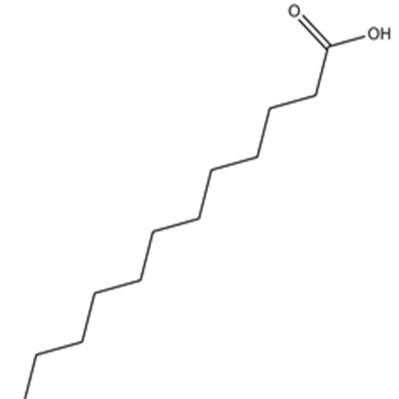
Lauric Acid
- CAS号:
143-07-7
- 供应商:
上海莼试
- 保存条件:
4°C, protect from light
- 规格:
100mg 500mg
化学性质:

规格:100mg 500mg
CAS:143-07-7
别名:
化学名:dodecanoic acid
Lauric Acid分子式:C12H24O2
分子量:200.32
溶解度:≥ 40.2 mg/mL in DMSO, ≥ 40.4 mg/mL in EtOH
储存条件:4°C, protect from light
General tips:For obtaining a higher solubility , please warm the tube at 37 ℃ and shake it in the ultrasonic bath for a while.
Shipping Condition: Evaluation sample solution : ship with blue ice All other available size: ship with RT , or blue ice upon request
本产品仅供科学实验研究使用! 不能用于临床或动物诊断!
产品描述:
Lauric acid, a saturated medium-chain fatty acid with a 12-carbon backbone, is naturally found in various plant and animal fats and oils, which is a major component of palm kernel oil and coconut oil.In vitro: Previous study showed that lauric acid could induce apoptosis in both Caco-2 and IEC-6 cells when compared to butyrate. Moreover, lauric acid reduced GSH availability and generated ROS in Caco-2 cells. Mechanistic study indicated that lauric acid reduced Caco-2 and IEC-6 cells in G0/G1and arrested cells in the S and G2/M phases. In addition, it was found that butyrate protected IEC-6 cells from ROS-induced damage, while lauric acid induced higher levels of ROS when compared with butyrate [1].In vivo: Mouse in vivo study found that both epicutaneous application and intradermal injection of lauric acid could decrease the number of P. acnes colonized in mouse ears effectively, thus relieving P. acnes-induced granulomatous inflammation and ear swelling [2].Clinical trial: Previous clinical study showed that lauric acid ingestion did not induce nausea or bloating. There was no effect of lauric acid on energy intake at breakfast, energy intake at lunch was reduced significantly after ingestion of lauric acid. In addition, it was orved that the total energy intake (breakfast+lunch+lauric acid dose) was less following ingestion of 6 g of lauric acid compared with control [3].References:[1] Fauser JK,Matthews GM,Cummins AG,Howarth GS. Induction of apoptosis by the medium-chain length fatty acid lauric acid in colon cancer cells due to induction of oxidative stress. Chemotherapy.2013;59(3):214-24.[2] Nakatsuji T,Kao MC,Fang JY,Zouboulis CC,Zhang L,Gallo RL,Huang CM. Antimicrobial property of lauric acid against Propionibacterium acnes: its therapeutic potential for inflammatory acne vulgaris. J Invest Dermatol.2009 Oct;129(10):2480-8.[3] Kate L. Feltrin et al. Acute oral administration of lauric acid reduces energy intake in healthy males. e-SPEN Journal. 2014 April; 9 (2): e69–e75
使用方法:
1. 常用筛选浓度
注意:用来筛选稳转株的工作浓度需要根据细胞类型,培养基,生长条件和细胞代谢率而变化,推荐使用浓度为50-1000μg/mL。对于第一次使用的实验体系建议通过建立杀灭曲线(kill curve),即剂量反应性曲线,来确定最佳筛选浓度。
一般而言,哺乳动物细胞50-500μg/mL;细菌/植物细胞20-200μg/mL;真菌300-1000μg/mL。
2. 杀灭曲线的建立
注意:为了筛选得到稳定表达目的蛋白的细胞株,需要确定能够杀死未转染宿主细胞的抗生素浓度,可通过建立杀灭曲线(剂量反应曲线)来实现,至少选择5个浓度。
1) 第一天:未转化的细胞按照20-25%的细胞密度铺在合适的培养板上,37℃,CO2培养过夜;注:对于需要更高密度来检测活力的细胞,可增加接种量。
2) 根据细胞类型,设定合适范围内的浓度梯度。以哺乳动物细胞为例,可设定50,100,250,500,750,1000μg/mL。先用去离子水或者PBS buffer按照1:10的比例将母液稀释到5 mg/ml,然后按照下表稀释到相应浓度的工作液。
3) 第二天:替换旧的培养基,换用新鲜配制的含有相应浓度药物的培养基。每个浓度做三个平行孔。
4) 接下来每3-4天更换新的含药物培养基。
5) 按照固定的周期(如每2天)进行活细胞计数来确定阻止未转染细胞生长的恰当浓度。选择在理想的天数(通常是7-10天)内能够杀死绝大多数细胞的浓度为稳定转染细胞筛选用的工作浓度。
3. 稳定转染细胞的筛选
1) 转染48h后,用含有适当浓度的潮霉素B筛选培养基来传代细胞(直接传代或者稀释后传代)。
注意:细胞处于活跃分裂状态时抗生素的杀伤。则当细胞过于稠密,其效率会降低。为了得到较好的筛选效果,最好将细胞稀释至丰度不超过25%
2) 每隔3-4天更换含有药物的筛选培养液。
3) 筛选7天后观察并评估细胞克隆(集落)的形成情况。集落的形成可能还需要一周或者更多的时间,这取决于宿主细胞类型,转染,以及筛选效果。
4) 挑取并转移5-10个抗性克隆于35mm细胞培养板,继续用含药物的筛选培养液维持培养7天。
5) 之后更换正常培养基培养即可。
蛋白酶抑制剂混合物实验步骤:
(1)实验开始前将RNA提取液于65℃水浴锅中预热,离心管中加入ME(巯基乙醇),(10mL加80ul,50mL中加入300ul)
(2)取约0.8g菌丝体(液体培养获得的菌丝用真空抽滤即可!固体培养就更好说了),在液氮中迅速磨成精细粉末,装入50mL离心管,按1g材料8mL的量加入预热的RNA提取液,颠倒混匀
(3)65℃水浴3-10 min,期间混匀2-3次
(4)加入等体积的酚(注意是酸酚pH4.5)::yi戊醇(25:24:1)抽提(10,000rpm,4℃,5 min)
(5)取上清,等体积的yi戊醇(24:1)抽提(10,000rpm,4℃,5 min)
(6)加入1/4V体积10M LiCl溶液,4℃放置6h以上(或过夜)
(7)10,000rpm,4℃离心20min
(8)弃上清,用500ul SSTE溶解沉淀
(9)酚::yi戊醇(25:24:1)抽提两次,:yi戊醇(24:1)抽提1次(10,000rpm,4℃,5min)
(10)加2V体积的无水乙醇,在-70℃冰箱沉淀30min以上
(11)12,000rpm,4℃离心20 min
(12)弃上清.沉淀用70%酒精漂洗一次,干燥
(13)加200ul的DEPC处理水溶解
(14)用非变性琼脂糖凝胶电泳和紫外分光光度计扫描检测RNA的质量(在抽提过程中,若蛋白质含量或其它的杂质还较多,可以增加抽提次数)
公司正在出售的产品:
规格:100mg 500mg
CAS:143-07-7
别名:
化学名:dodecanoic acid
Lauric Acid分子式:C12H24O2
分子量:200.32
溶解度:≥ 40.2 mg/mL in DMSO, ≥ 40.4 mg/mL in EtOH
储存条件:4°C, protect from light
General tips:For obtaining a higher solubility , please warm the tube at 37 ℃ and shake it in the ultrasonic bath for a while.
Shipping Condition: Evaluation sample solution : ship with blue ice All other available size: ship with RT , or blue ice upon request
本产品仅供科学实验研究使用! 不能用于临床或动物诊断!
| 产品名称 | Lauric Acid | 产品货号 | CS-01Y64263 |
| 规格 | 100mg 500mg | CAS号 | 143-07-7 |
| 含量 | >98.00% | 分子式 | C12H24O2 |
| 分子量 | 200.32 | 用途 | 仅供科研研究使用 |
Lauric acid, a saturated medium-chain fatty acid with a 12-carbon backbone, is naturally found in various plant and animal fats and oils, which is a major component of palm kernel oil and coconut oil.In vitro: Previous study showed that lauric acid could induce apoptosis in both Caco-2 and IEC-6 cells when compared to butyrate. Moreover, lauric acid reduced GSH availability and generated ROS in Caco-2 cells. Mechanistic study indicated that lauric acid reduced Caco-2 and IEC-6 cells in G0/G1and arrested cells in the S and G2/M phases. In addition, it was found that butyrate protected IEC-6 cells from ROS-induced damage, while lauric acid induced higher levels of ROS when compared with butyrate [1].In vivo: Mouse in vivo study found that both epicutaneous application and intradermal injection of lauric acid could decrease the number of P. acnes colonized in mouse ears effectively, thus relieving P. acnes-induced granulomatous inflammation and ear swelling [2].Clinical trial: Previous clinical study showed that lauric acid ingestion did not induce nausea or bloating. There was no effect of lauric acid on energy intake at breakfast, energy intake at lunch was reduced significantly after ingestion of lauric acid. In addition, it was orved that the total energy intake (breakfast+lunch+lauric acid dose) was less following ingestion of 6 g of lauric acid compared with control [3].References:[1] Fauser JK,Matthews GM,Cummins AG,Howarth GS. Induction of apoptosis by the medium-chain length fatty acid lauric acid in colon cancer cells due to induction of oxidative stress. Chemotherapy.2013;59(3):214-24.[2] Nakatsuji T,Kao MC,Fang JY,Zouboulis CC,Zhang L,Gallo RL,Huang CM. Antimicrobial property of lauric acid against Propionibacterium acnes: its therapeutic potential for inflammatory acne vulgaris. J Invest Dermatol.2009 Oct;129(10):2480-8.[3] Kate L. Feltrin et al. Acute oral administration of lauric acid reduces energy intake in healthy males. e-SPEN Journal. 2014 April; 9 (2): e69–e75
使用方法:
1. 常用筛选浓度
注意:用来筛选稳转株的工作浓度需要根据细胞类型,培养基,生长条件和细胞代谢率而变化,推荐使用浓度为50-1000μg/mL。对于第一次使用的实验体系建议通过建立杀灭曲线(kill curve),即剂量反应性曲线,来确定最佳筛选浓度。
一般而言,哺乳动物细胞50-500μg/mL;细菌/植物细胞20-200μg/mL;真菌300-1000μg/mL。
2. 杀灭曲线的建立
注意:为了筛选得到稳定表达目的蛋白的细胞株,需要确定能够杀死未转染宿主细胞的抗生素浓度,可通过建立杀灭曲线(剂量反应曲线)来实现,至少选择5个浓度。
1) 第一天:未转化的细胞按照20-25%的细胞密度铺在合适的培养板上,37℃,CO2培养过夜;注:对于需要更高密度来检测活力的细胞,可增加接种量。
2) 根据细胞类型,设定合适范围内的浓度梯度。以哺乳动物细胞为例,可设定50,100,250,500,750,1000μg/mL。先用去离子水或者PBS buffer按照1:10的比例将母液稀释到5 mg/ml,然后按照下表稀释到相应浓度的工作液。
3) 第二天:替换旧的培养基,换用新鲜配制的含有相应浓度药物的培养基。每个浓度做三个平行孔。
4) 接下来每3-4天更换新的含药物培养基。
5) 按照固定的周期(如每2天)进行活细胞计数来确定阻止未转染细胞生长的恰当浓度。选择在理想的天数(通常是7-10天)内能够杀死绝大多数细胞的浓度为稳定转染细胞筛选用的工作浓度。
3. 稳定转染细胞的筛选
1) 转染48h后,用含有适当浓度的潮霉素B筛选培养基来传代细胞(直接传代或者稀释后传代)。
注意:细胞处于活跃分裂状态时抗生素的杀伤。则当细胞过于稠密,其效率会降低。为了得到较好的筛选效果,最好将细胞稀释至丰度不超过25%
2) 每隔3-4天更换含有药物的筛选培养液。
3) 筛选7天后观察并评估细胞克隆(集落)的形成情况。集落的形成可能还需要一周或者更多的时间,这取决于宿主细胞类型,转染,以及筛选效果。
4) 挑取并转移5-10个抗性克隆于35mm细胞培养板,继续用含药物的筛选培养液维持培养7天。
5) 之后更换正常培养基培养即可。
蛋白酶抑制剂混合物实验步骤:
(1)实验开始前将RNA提取液于65℃水浴锅中预热,离心管中加入ME(巯基乙醇),(10mL加80ul,50mL中加入300ul)
(2)取约0.8g菌丝体(液体培养获得的菌丝用真空抽滤即可!固体培养就更好说了),在液氮中迅速磨成精细粉末,装入50mL离心管,按1g材料8mL的量加入预热的RNA提取液,颠倒混匀
(3)65℃水浴3-10 min,期间混匀2-3次
(4)加入等体积的酚(注意是酸酚pH4.5)::yi戊醇(25:24:1)抽提(10,000rpm,4℃,5 min)
(5)取上清,等体积的yi戊醇(24:1)抽提(10,000rpm,4℃,5 min)
(6)加入1/4V体积10M LiCl溶液,4℃放置6h以上(或过夜)
(7)10,000rpm,4℃离心20min
(8)弃上清,用500ul SSTE溶解沉淀
(9)酚::yi戊醇(25:24:1)抽提两次,:yi戊醇(24:1)抽提1次(10,000rpm,4℃,5min)
(10)加2V体积的无水乙醇,在-70℃冰箱沉淀30min以上
(11)12,000rpm,4℃离心20 min
(12)弃上清.沉淀用70%酒精漂洗一次,干燥
(13)加200ul的DEPC处理水溶解
(14)用非变性琼脂糖凝胶电泳和紫外分光光度计扫描检测RNA的质量(在抽提过程中,若蛋白质含量或其它的杂质还较多,可以增加抽提次数)
公司正在出售的产品:
| (Tyr⁰)-Neurokinin A | CC-930 |
| CCB02 | 早期B-细胞因子1(EBF1)ELISA试剂盒 |
| CCCP | 早老素2(PS2)ELISA试剂盒 |
| CCG-100602 | 再生胰岛衍生蛋白3γ(REG3γ)ELISA试剂盒 |
| CCG-1423 | 早老素1(PSEN1)ELISA试剂盒 |
| CCG215022 | 再生胰岛衍生蛋白3α(REG3α)ELISA试剂盒 |
| CcGAMP disodium | 再生胰岛衍生蛋白1β(REG1β)ELISA试剂盒 |
| CCI-007 | 再生蛋白1(NEO1)ELISA试剂盒 |
| CCK (26-30) (sulfated) | 早期B-细胞因子2(EBF2)ELISA试剂盒 |
| CCK (26-31) (non-sulfated) | 早期内抗原1(EEA1)ELISA试剂盒 |
| CCK (26-31) (sulfated) | 早期生长应答因子1(EGR1)ELISA试剂盒 |
| CCK (27-33) (non-sulfated) | 早期生长应答因子2(EGR2)ELISA试剂盒 |
| CCK Octapeptide (non-sulfated), (trifluoroacetate salt) | Lauric Acid早期生长应答因子3(EGR3)ELISA试剂盒 |
| Anti-parasitic agent 3 | 早期生长应答因子4(EGR4)ELISA试剂盒 |
| 人Janus激酶3ELISA试剂盒 | 早幼粒细胞白血病蛋白(PML)ELISA试剂盒 |
风险提示:丁香通仅作为第三方平台,为商家信息发布提供平台空间。用户咨询产品时请注意保护个人信息及财产安全,合理判断,谨慎选购商品,商家和用户对交易行为负责。对于医疗器械类产品,请先查证核实企业经营资质和医疗器械产品注册证情况。
 文献和实验
文献和实验相关实验
月桂酸 lauric acid CH 3 ( CH 2 ) 10 COOH ,相当于正十二烷酸的饱和脂肪酸。以甘油酯形式存在于椰子油、月桂树油、棕榈核油等油中,樟油大部分是三月桂酸甘油酯。另外在鲸蜡中以鲸腊酯形态存在。
, whereas it is absent in lung (3 ). Various fatty acids, including lauric acid (2 –4 ), are substrates for recombinant CYP4Al l. Experiments with a panel of individual cDNA-expressed P450 enzymes indicate that CYP4Al l is a major lauric acid 12-hydroxylase
β-咪唑丙烯酸。给予狗大量的组氨酸后可从尿中得到,还有细菌作用于组氨酸也能生成尿刊酸。在哺乳类的肝脏或细菌中作为从组氨酸到谷氨酸的代谢途径的中间体,在组氨酸酶的作用下进行分子内的无氧脱氨基而生成。通常尿刊酸在肝脏酶(尿刊酸酶)的作用下进一步分解转变成谷氨酸。
 技术资料
技术资料暂无技术资料 索取技术资料
Lauric Acid
¥600 - 3200