

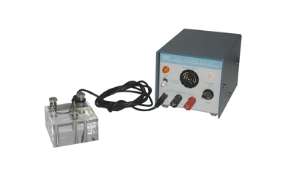
- 询价
- YSKD
- 小鼠雾化仪
- 中国北京
- 2026年04月24日

7 年金牌会员
企业认证

万千商家帮你免费找货
0 人在求购买到急需产品
- 详细信息
- 询价记录
- 文献和实验
- 技术资料
- 保修期:
12个月
- 现货状态:
现货
产品用途:
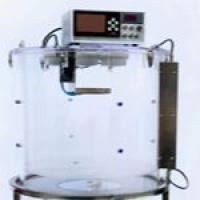
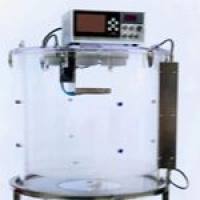
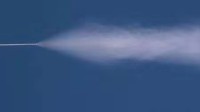
通过高效双流体雾化发生器,结合无间断的涡流混匀技术,将液体供试品雾化成均匀稳定的气溶胶,对暴露腔内的大小鼠(或豚鼠)进行全身式雾化吸入给药实验。
性能特点:
采用高效双流体雾化器,克服了传统超声或超声振片的雾化弊端
适用于发生各种液体、溶液、细微颗粒混悬液
可实时添加供试品,单次雾化给药量更大
产生的气溶胶粒径为肺部可沉积范围
可选配微量发生模块,用于雾化珍贵微量液体供试品
暴露腔采用透明材质,方便观察
配有流量控制模块,加药更快速,清洗更方便
具有废气处理模块,达到实验室安全排放要求
应用范围:
可用于小动物呼吸系统疾病造模(诱咳、引喘),纳米材料吸入毒性,哮喘和气道高反应性、(COPD)慢阻肺、肺纤维化、急性/新生呼吸窘迫综合症、急性肺损伤、表型研究、环境污染物机制研究、药物研发和药效评价等科研领域。
我们的目标是:服务用户至上,让科研仪器的使用变得更简便和高效。
通过高效双流体雾化发生器,结合无间断的涡流混匀技术,将液体供试品雾化成均匀稳定的气溶胶,对暴露腔内的大小鼠(或豚鼠)进行全身式雾化吸入给药实验。
性能特点:
采用高效双流体雾化器,克服了传统超声或超声振片的雾化弊端
适用于发生各种液体、溶液、细微颗粒混悬液
可实时添加供试品,单次雾化给药量更大
产生的气溶胶粒径为肺部可沉积范围
可选配微量发生模块,用于雾化珍贵微量液体供试品
暴露腔采用透明材质,方便观察
配有流量控制模块,加药更快速,清洗更方便
具有废气处理模块,达到实验室安全排放要求
应用范围:
可用于小动物呼吸系统疾病造模(诱咳、引喘),纳米材料吸入毒性,哮喘和气道高反应性、(COPD)慢阻肺、肺纤维化、急性/新生呼吸窘迫综合症、急性肺损伤、表型研究、环境污染物机制研究、药物研发和药效评价等科研领域。
我们的目标是:服务用户至上,让科研仪器的使用变得更简便和高效。
风险提示:丁香通仅作为第三方平台,为商家信息发布提供平台空间。用户咨询产品时请注意保护个人信息及财产安全,合理判断,谨慎选购商品,商家和用户对交易行为负责。对于医疗器械类产品,请先查证核实企业经营资质和医疗器械产品注册证情况。
- 作者
- 内容
- 询问日期
 文献和实验
文献和实验该产品被引用文献
1. Introduction
The antidegradant N-(1,3-Dimethylbutyl)-N′-phenyl-p-phenylenedi-
amine (6PPD) is a phenylenediamine compound widely used as tire and
rubber antioxidant to protect from oxygen and ozone (O3)[1,2]. Over
the last half century, the usage of tires has dramatically risen as the
number of automobiles worldwide has increased year by year. The mass
percentage of 6PPD in tires is about 0.4 %-2 %, and 6PPD persistently
enters the environment due to large amount emissions of tire wear
particles[3]. Currently, the global environmental emissions of tire wear
particles reached up to 5.9 million tons per year, and those tire wear
particles account for 3–7 % of the particulate matter (PM2.5) in the air,
increasing the risk of inhalation of 6PPD[4]. More seriously, environ-
mental factors such as ground-level O3, ultraviolet A (UVA), high tem-
perature, and high humidity can promote the aging processes of 6PPD[2,
5,6], which may produce toxic derivatives and further aggravate envi-
ronmental pollution and health burden.
6PPD and its oxidized products were first detected in water, with
environmental concentrations ranging from ng/L to μg/L levels, and
have attracted attention due to the ecological risk[7]. An increasing
number of studies have shown that environmental 6PPD and its aging
products can attach to dust particles, which can diffuse into the air to
form PM2.5 for long-distance transport[8,9]. The median total 6PPD
concentrations in road dust, parking lot dust, and vehicle dust collected
in southern Chinese cities were 226 ng/g, 232 ng/g, and 156 ng/g,
respectively, which were much higher than those in indoor dust
(14.0 ng/g)[10]. 6PPD-quinone (6PPDQ) is an important derivative of
6PPD after ozonation, and the total detection rate of the 6PPDQ in PM2.5
was 81 % in the urban environments of Taiyuan, Zhengzhou, and
Guangzhou, China[9]. 6PPD and 6PPDQ have also been detected in
PM2.5 in Hong Kong, China, and the daily intake of 6PPDQ for local
general population is predicted to be 1.08 ng/kg/day[11]. Moreover,
the detection rate of 6PPD and 6PPDQ in human urine in the South
China was as high as 60–100 %, and the concentrations of 6PPD and
6PPDQ in the urine of pregnant women (0.068–2.91 ng/mL) were
significantly higher than those in adults (0.018–0.40 ng/mL) and chil-
dren (0.015–0.076 ng/mL)[12,13]. In particular, workers in the rubber
industry and those in traffic-relevant occupations are at risk of exposure
to 6PPD and their quinone derivatives[14]. Considering the widespread
detection of 6PPD and its aging products in airborne particles and bio-
logical samples, long-term inhalation of those particles may pose a po-
tential health risk to human, and further investigations on the inhalation
toxicological effects on mammals are necessary.
The currently thoroughly studied aging product, 6PPDQ, has a me-
dian lethal concentration (LC50) of less than 1 μg/L for coho salmon[7],
and may be neurotoxic and cardiotoxic to zebrafish at the concentra-
tions of 10 µg/L[15,16]. In previous toxicity experiments, it has been
found that 6PPDQ can cause multiple organ injury in mice by gavage
(100 μg/kg) or intraperitoneal injection (0.4 mg/kg) for 28 days
[17–19]. Nevertheless, it should be notable that the main exposure route
for humans is inhalation of airborne dust containing 6PPD and its aging
products[9,20,21], while whose respiratory toxicity largely remains to
be investigated. The aging of 6PPD in environment is much more com-
plex, which generate products including phenol, 4-[(1,3-dimethylbutyl)
amino]-(4-DBAP), and 4-hydroxydiphenylamine(4-HDPA) more than
just 6PPDQ[22]. In addition to O3, ultraviolet light has also been re-
ported to accelerate the aging process of environmental contaminants
through photoaging and even affect their toxicity[5,6]. Currently, few
studies have examined the effects of O3 and UVA on the aging and
toxicity of 6PPD, further study is urgently needed to support the health
risk assessment and environmental management.
In this study, we constructed an artificial accelerated aging system to
investigate the effect of O3 and UVA on the aging process of 6PPD, and
C57BL/6 male mice were exposed to 6PPD and differently aging 6PPDs
to investigate the repeated inhalation toxicity heterogeneity at human-
comparable levels, including respiratory system, neurobehavior alter-
ation, and genetic damage. The study may contribute to the toxicolog-
ical knowledge of 6PPD and its aging products, and provides a novel
perspectives for the interference of environmental factors on the toxicity
of pollutants.
2. Methods and materials
2.1. Chemicals
6PPD (purity > 97.5 %) was purchased from Macklin (Shanghai,
China). 6PPDQ (purity = 97.8 %) was purchased from Dr. Ehrenstorfer
GmbH (German). 13C6-6PPDQ (purity > 98 %) was purchased from
Cambridge Isotope Laboratories (Massachusetts, USA). HPLC-grade
ammonium acetate, formic acid, and methanol were purchased from
Sigma-Aldrich (USA).
2.2. 6PPD aging reaction
Oxidative aging of 6PPD by O3 was conducted in accordance to
previous study[6,23]. Briefly, a total of 500 mg of 6PPD particles matter
were ground into dark gray fine powder. The 6PPD powder was then
spread on the bottom of a 1 L glass suction bottle and connected to the
O3 reaction chamber. A combination of oxygen generator and O3
generator (Guangzhou Chuavg Ozone Electric Equipment Co., China)
were used to generate O3. According to our previous methodology
(Table S1), the O3 flow rate was set at 0.5 L/min, in the oxidation aging
reaction of 6PPD, O3 concentration of 20 ppm was used to react with
500 mg 6PPD for 30 min for ozonation, and O3 concentration of
200 ppm was used to react with 500 mg 6PPD for 120 min for perozo-
nation. In UVA photoaging, the 6PPD powder was firstly spread on an
8 * 8 cm2 flat plate and placed in a chamber with UVA irradiation (in-
tensity of 300 μW/cm2) for 30 min, with a total irradiation dose of
34.56 J. After UVA photoaging, the 6PPD powder was further to be
oxidized by O3 aforesaid. After aging reaction, differently aging 6PPDs
was dissolved in 50 mL of ethanol and stored at −20 ℃.
2.3. 6PPDQ measurement and full wavelength scanning
6PPDQ concentration is determined to evaluate the ozonation degree
of 6PPD. According to previous studies[5,23], the concentrations of
6PPDQ in the ethanol stock resolutions were determined by using a
triple-quadrupole UPLC-MS/MS system (Acquity UPLC-Xero TQS,
X. Li et al.
Journal of Hazardous Materials 486 (2025) 137000
2
The antidegradant N-(1,3-Dimethylbutyl)-N′-phenyl-p-phenylenedi-
amine (6PPD) is a phenylenediamine compound widely used as tire and
rubber antioxidant to protect from oxygen and ozone (O3)[1,2]. Over
the last half century, the usage of tires has dramatically risen as the
number of automobiles worldwide has increased year by year. The mass
percentage of 6PPD in tires is about 0.4 %-2 %, and 6PPD persistently
enters the environment due to large amount emissions of tire wear
particles[3]. Currently, the global environmental emissions of tire wear
particles reached up to 5.9 million tons per year, and those tire wear
particles account for 3–7 % of the particulate matter (PM2.5) in the air,
increasing the risk of inhalation of 6PPD[4]. More seriously, environ-
mental factors such as ground-level O3, ultraviolet A (UVA), high tem-
perature, and high humidity can promote the aging processes of 6PPD[2,
5,6], which may produce toxic derivatives and further aggravate envi-
ronmental pollution and health burden.
6PPD and its oxidized products were first detected in water, with
environmental concentrations ranging from ng/L to μg/L levels, and
have attracted attention due to the ecological risk[7]. An increasing
number of studies have shown that environmental 6PPD and its aging
products can attach to dust particles, which can diffuse into the air to
form PM2.5 for long-distance transport[8,9]. The median total 6PPD
concentrations in road dust, parking lot dust, and vehicle dust collected
in southern Chinese cities were 226 ng/g, 232 ng/g, and 156 ng/g,
respectively, which were much higher than those in indoor dust
(14.0 ng/g)[10]. 6PPD-quinone (6PPDQ) is an important derivative of
6PPD after ozonation, and the total detection rate of the 6PPDQ in PM2.5
was 81 % in the urban environments of Taiyuan, Zhengzhou, and
Guangzhou, China[9]. 6PPD and 6PPDQ have also been detected in
PM2.5 in Hong Kong, China, and the daily intake of 6PPDQ for local
general population is predicted to be 1.08 ng/kg/day[11]. Moreover,
the detection rate of 6PPD and 6PPDQ in human urine in the South
China was as high as 60–100 %, and the concentrations of 6PPD and
6PPDQ in the urine of pregnant women (0.068–2.91 ng/mL) were
significantly higher than those in adults (0.018–0.40 ng/mL) and chil-
dren (0.015–0.076 ng/mL)[12,13]. In particular, workers in the rubber
industry and those in traffic-relevant occupations are at risk of exposure
to 6PPD and their quinone derivatives[14]. Considering the widespread
detection of 6PPD and its aging products in airborne particles and bio-
logical samples, long-term inhalation of those particles may pose a po-
tential health risk to human, and further investigations on the inhalation
toxicological effects on mammals are necessary.
The currently thoroughly studied aging product, 6PPDQ, has a me-
dian lethal concentration (LC50) of less than 1 μg/L for coho salmon[7],
and may be neurotoxic and cardiotoxic to zebrafish at the concentra-
tions of 10 µg/L[15,16]. In previous toxicity experiments, it has been
found that 6PPDQ can cause multiple organ injury in mice by gavage
(100 μg/kg) or intraperitoneal injection (0.4 mg/kg) for 28 days
[17–19]. Nevertheless, it should be notable that the main exposure route
for humans is inhalation of airborne dust containing 6PPD and its aging
products[9,20,21], while whose respiratory toxicity largely remains to
be investigated. The aging of 6PPD in environment is much more com-
plex, which generate products including phenol, 4-[(1,3-dimethylbutyl)
amino]-(4-DBAP), and 4-hydroxydiphenylamine(4-HDPA) more than
just 6PPDQ[22]. In addition to O3, ultraviolet light has also been re-
ported to accelerate the aging process of environmental contaminants
through photoaging and even affect their toxicity[5,6]. Currently, few
studies have examined the effects of O3 and UVA on the aging and
toxicity of 6PPD, further study is urgently needed to support the health
risk assessment and environmental management.
In this study, we constructed an artificial accelerated aging system to
investigate the effect of O3 and UVA on the aging process of 6PPD, and
C57BL/6 male mice were exposed to 6PPD and differently aging 6PPDs
to investigate the repeated inhalation toxicity heterogeneity at human-
comparable levels, including respiratory system, neurobehavior alter-
ation, and genetic damage. The study may contribute to the toxicolog-
ical knowledge of 6PPD and its aging products, and provides a novel
perspectives for the interference of environmental factors on the toxicity
of pollutants.
2. Methods and materials
2.1. Chemicals
6PPD (purity > 97.5 %) was purchased from Macklin (Shanghai,
China). 6PPDQ (purity = 97.8 %) was purchased from Dr. Ehrenstorfer
GmbH (German). 13C6-6PPDQ (purity > 98 %) was purchased from
Cambridge Isotope Laboratories (Massachusetts, USA). HPLC-grade
ammonium acetate, formic acid, and methanol were purchased from
Sigma-Aldrich (USA).
2.2. 6PPD aging reaction
Oxidative aging of 6PPD by O3 was conducted in accordance to
previous study[6,23]. Briefly, a total of 500 mg of 6PPD particles matter
were ground into dark gray fine powder. The 6PPD powder was then
spread on the bottom of a 1 L glass suction bottle and connected to the
O3 reaction chamber. A combination of oxygen generator and O3
generator (Guangzhou Chuavg Ozone Electric Equipment Co., China)
were used to generate O3. According to our previous methodology
(Table S1), the O3 flow rate was set at 0.5 L/min, in the oxidation aging
reaction of 6PPD, O3 concentration of 20 ppm was used to react with
500 mg 6PPD for 30 min for ozonation, and O3 concentration of
200 ppm was used to react with 500 mg 6PPD for 120 min for perozo-
nation. In UVA photoaging, the 6PPD powder was firstly spread on an
8 * 8 cm2 flat plate and placed in a chamber with UVA irradiation (in-
tensity of 300 μW/cm2) for 30 min, with a total irradiation dose of
34.56 J. After UVA photoaging, the 6PPD powder was further to be
oxidized by O3 aforesaid. After aging reaction, differently aging 6PPDs
was dissolved in 50 mL of ethanol and stored at −20 ℃.
2.3. 6PPDQ measurement and full wavelength scanning
6PPDQ concentration is determined to evaluate the ozonation degree
of 6PPD. According to previous studies[5,23], the concentrations of
6PPDQ in the ethanol stock resolutions were determined by using a
triple-quadrupole UPLC-MS/MS system (Acquity UPLC-Xero TQS,
X. Li et al.
Journal of Hazardous Materials 486 (2025) 137000
2
相关实验
【公告】丁香通试用中心:10月免费试用装精选(10月18日有更新)
200ul低吸附盒装吸头 进口TS3000转染试剂 纳米微粒 非脂质体 其他推荐: 单组分TMB显色液 Peroxidase Conjugated Goat Anti-Rabbit IgG (Min Hu, Ms) 二抗 96通道个人型半自动移液系统 小动物气体麻醉机,大小鼠气体吸入式麻醉机 四通道实时荧光定量PCR检测系统 Tanon-5200化学发光成像系统(包邮) 优质微晶纤维素MCC(进口) 罗恩1-10ml电动移液器 EpiScript逆转录酶 western
自动原位杂交仪 吸入式小动物麻醉机 细胞计数仪 超微量分光光度计
大小鼠转棒仪该仪器用于研究药物对动作协调性和抗疲劳特性的影响,对相关药物筛选有重要价值。实验时将动物放置在滚筒上并避免滑落,转动滚筒后,如果动物滑落下来就会相应停止下面的传感平台进行结果记录,可以同时进行五个大鼠或小鼠实验,大鼠采用直径3.75英寸的滚筒,小鼠采用直径为1.25英寸的滚筒。仪器采用数字控制: 5个标准通道,测试时间可调; 启动速度可调,最终速度可调; 加速度可调,前进反转两种模式选择; 测量距离可记录,标准计算机打印口输出; RS232 串口输出。大小鼠疲劳测试
 技术资料
技术资料暂无技术资料 索取技术资料
文献支持
小鼠雾化仪,小动物雾化给药仪
询价

