

- ¥10000 - 50000
- 玉研仪器

- 人体体温测量胶囊,人体温遥测系统
- CHINA
- 2026年03月03日

企业认证
相关产品推荐更多 >

万千商家帮你免费找货
0 人在求购买到急需产品
- 详细信息
- 询价记录
- 文献和实验
- 技术资料
- 库存:
100
- 国食药监械注册号:
无
- 保修期:
12个月
- 现货状态:
人体体温测量胶囊,人体温遥测系统
- 供应商:
玉研仪器公司
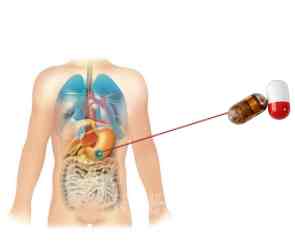
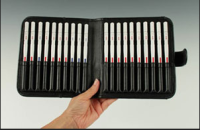
体温测量胶囊是一款可连续监测、记录并无线传输核心体温信号的微型胶囊。其经口腔摄入进入体内,通过胃、肠道,最后由肛门排出,使用简单方便,广泛用于多种科研领域。胶囊自身具有记忆功能,使测量对象无需佩戴任何监测器而进行无限制的测量。
多种规格可供选择,有专门的人体型号,也有多种用于实验室大小鼠、比格犬等的动物型号。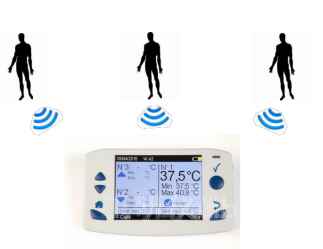
体温胶囊的主要特点:
· 体积小巧,食用方便,对机体无损害;
· 实时连续无创监测;
· 无线无导管测量,测试对象亦无需实时佩戴监测器,实现无任何限制测量方案;
· 胶囊内置存储记忆功能,可存储多达2000组数据,无需担心数据丢失;
· 监测器可同时监测3枚胶囊数据,且自身可最多7台并联,实现高通量测量;
主要技术参数:
· 人用体温胶囊,经口服摄入,通过消化道排泄,体内时间1-2天(因人而异)
· 测量参数:使用温度25-45℃,精确度0.2℃,采样频率30Hz(可设定),内部可存储2000组数据;
· 传输参数:传输距离1m,传输频率433Hz;
· 规格参数:17.7*8.9mm,重1.7g,可存储时间1年,激活后20天;
· 可同时监测并显示3枚胶囊传输数据,并可通过PC/MAC观察分析;
· 每台监测器可存储80000组数据;
主要应用领域: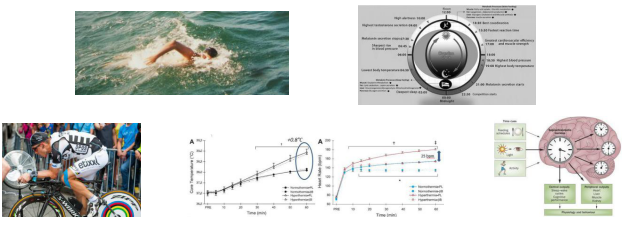
体温过低/高温中暑预防:体温测量降低低温/高温恶劣环境损害,或加强对发热、寒战等的感知;
运动热身/恢复监测:监测人体锻炼各阶段体温的变化,有助于判断机体运动技能;
技能评估、优化:用于评估机体体温调节或心脏节律调节功能等;
量化、预防、规避时差影响:监测体温昼夜节律变化,制定合理作息,从而规避时差影响等;
睡眠、昼夜节律和运动表现分析:通过体温变化反映机体睡眠、昼夜节律、运动等规律;
风险提示:丁香通仅作为第三方平台,为商家信息发布提供平台空间。用户咨询产品时请注意保护个人信息及财产安全,合理判断,谨慎选购商品,商家和用户对交易行为负责。对于医疗器械类产品,请先查证核实企业经营资质和医疗器械产品注册证情况。
- 作者
- 内容
- 询问日期
 文献和实验
文献和实验小动物体温计参考文献:
1.Kravchenko JA, Goldberg EM, Mattis J. Optogenetic and chemogenetic manipulation of seizure threshold in mice. STAR Protocols. 2023/03/17/ 2023;4(1):102019.
2.Kawano S, Itoh K, Ishihara Y. Maternal intake of docosahexaenoic acid decreased febrile seizure sensitivity by increasing estrogen synthesis in offspring. Epilepsy & Behavior. 2021/08/01/2021;121:108038.
3.Ganesan V, Sharma A, Tomar S, Schuler CF, Hogan SP. IL-4 receptor alpha signaling alters oral food challenge and immunotherapy outcomes in mice. Journal of Allergy and Clinical Immunology.2023/01/01/ 2023;151(1):182-191.e186.
4.Sarver DC, Xu C, Velez LM, et al. Dysregulated systemic metabolism in a Down syndrome mouse model.Molecular Metabolism. 2023/02/01/ 2023;68:101666.
5.Himmel NJ, Sakurai A, Donaldson KJ, Cox DN. Protocols for measuring cold-evoked neural activity and cold tolerance in Drosophila larvae following fictive cold acclimation. STAR Protocols. 2022/09/16/2022;3(3):101510.
6.Tang J-S, Chiang CY, Dostrovsky JO, Yao D, Sessle BJ. Responses of neurons in rostral ventromedial medulla to nociceptive stimulation of craniofacial region and tail in rats. Brain Research. 2021/09/15/2021;1767:147539.
7.Sprenger RJ, Milsom WK. Respiratory development in burrowing rodents: Effect of perinatal hypercapnia. Respiratory Physiology & Neurobiology. 2021/06/01/ 2021;288:103640.
8.Xiao H, Bozi LHM, Sun Y, et al. Architecture of the outbred brown fat proteome defines regulators of metabolic physiology. Cell. 2022/11/23/ 2022;185(24):4654-4673.e4628.
9.Fischer AW, Jaeckstein MY, Gottschling K, et al. Lysosomal lipoprotein processing in endothelial cells stimulates adipose tissue thermogenic adaptation. Cell Metabolism. 2021/03/02/ 2021;33(3):547-564.e547.
体温胶囊相关文献:
1.van der Vinne V, Pothecary C A, Wilcox S L, et al. Continuous and non-invasive thermography of mouse skin accurately describes core body temperature patterns, but not absolute core temperature[J]. Scientific Reports, 2020, 10(1): 20680.
2.Delezie J, Gill J F, Santos G, et al. PGC-1β-expressing POMC neurons mediate the effect of leptin on thermoregulation in the mouse[J]. Scientific Reports, 2020, 10(1): 1-12.
3.van der Vinne V, Tachinardi P, Riede S J, et al. Maximising survival by shifting the daily timing of activity[J]. Ecology letters, 2019, 22(12): 2097-2102.
4.Hong S H, Hong J H, Lahey M T, et al. A low-cost mouse cage warming system provides improved intra-ischemic and post-ischemic body temperature control–application for reducing variability in experimental stroke studies[J]. Journal of neuroscience methods, 2021, 360: 109228.
5.Belloch F B, Beltrán E, Venzala E, et al. Primary role for melatonin MT2 receptors in the regulation of anhedonia and circadian temperature rhythm[J]. European Neuropsychopharmacology, 2021, 44: 51-65.
6.Tabarean I V. Neurotensin induces hypothermia by activating both neuronal neurotensin receptor 1 and astrocytic neurotensin receptor 2 in the median preoptic nucleus[J]. Neuropharmacology, 2020, 171: 108069.
7.Fenzl A, Kulterer O C, Spirk K, et al. Intact vitamin A transport is critical for cold-mediated adipose tissue browning and thermogenesis[J]. Molecular metabolism, 2020, 42: 101088.
教学目标 1.知识方面 (1)人的体温及其意义(知道); (2)体温的调节(知道)。 2.态度观念方面 人的体温过高或过低并非一定是坏事,应辩证对待。通过阿蒙森(Roald Amundsen l872—1928)征服南极的故事激发学生探索自然的勇气。 3.能力方面 对调查数据进行分析、对比,并绘制直观图;培养化繁为简
研究背景 1851 年,德国内科医生卡尔·温德利希(Carl Wunderlich)在德国莱比锡市收集了 2.5 万人的腋下体温数据,并首次计算出了 37 ℃ 这个平均正常值,将其确认为人体体温的标准数值。 然而,近年来,越来越多的研究发现,人类的体温似乎正在下降。 2019 年 1 月 7 日,美国斯坦福大学医学院教授朱莉· 帕森内特(Julie Parsonnet)团队在 elife 发表了一项研究成果,发现自 19 世纪以来,成年人的平均体温在持续下降,不到 200 年间下降
40℃ 的大脑温度竟是正常的!Brain:健康大脑比我们以为的更热,女性温度比男性更高
正常的人体温度是相对恒定的,平均在 36~37℃ 之间(腋下),人体温度随性别、年龄、昼夜和情绪的变化等因素而有所波动,在人体的不同部位间也存在些许差异。一直以来,温度异常被认为是疾病的征兆。 不过,人类大脑温度很少被直接测量。以前,人脑温度研究依赖于重症监护室中脑损伤患者的数据采集,通过颅内探针从单个脑位点进行精确的直接测量,进行脑部监测。随着技术的发展,称为磁共振波谱(MRS)的脑部扫描技术使研究人员能够无创地测量健康人群的脑温。然而,直到现在,MRS 还没有被用于探索大脑温度在一天中
 技术资料
技术资料
