

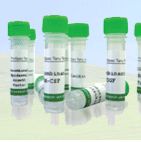
- ¥1080 - 87906
- Prospecbio
- 以色列
- cyt-679
- 2025年12月28日

企业认证
相关产品推荐更多 >


万千商家帮你免费找货
0 人在求购买到急需产品
- 详细信息
- 文献和实验
- 技术资料
- 保存条件:
for future use below -18°C
- 保质期:
See instructions
- 英文名:
TGF b 1 (113 a.a.)
- 库存:
部分小规格有备货
- 供应商:
上海经科化学科技有限公司
- CAS号:
无
- 规格:
2ug/10ug/1mg
| 规格: | 2ug | 产品价格: | ¥1080.0 |
|---|---|---|---|
| 规格: | 10ug | 产品价格: | ¥2415.0 |
| 规格: | 1mg | 产品价格: | ¥87906.0 |

CATALOGUE NUMBER
CYT-679
SYNONYMS
INTRODUCTION
DESCRIPTION
TGF-b 1 (113 a.a.) is purified by proprietary chromatographic techniques.
SOURCE
PHYSICAL APPEARANCE
FORMULATION
STABILITY
For long term storage it is recommended to add a carrier protein (0.1% HSA or BSA).
Avoid multiple freeze-thaw cycles.
PURITY
SAFETY DATA SHEET
SDS
AMINO ACID SEQUENCE
USAGE
BACKGROUND
Title: Transforming Growth Factor-Beta 1 (113 a.a.) Human Recombinant: A Key Regulator of Cellular Processes with Therapeutic Potential
Abstract:
Transforming Growth Factor-Beta 1 (TGF-β1) is a multifunctional cytokine that plays a crucial role in various cellular processes, including cell growth, differentiation, and immune modulation. The development of TGF-β1 human recombinant proteins has provided valuable tools for studying its biological functions and therapeutic applications. This research paper explores the production process, characteristics, and potential therapeutic uses of TGF-β1 human recombinant, highlighting its importance and clinical significance.
Introduction:
TGF-β1 is a pivotal cytokine involved in numerous physiological and pathological processes, such as embryonic development, tissue repair, and immune regulation. Harnessing the therapeutic potential of TGF-β1 has been facilitated by the development of TGF-β1 human recombinant proteins using recombinant DNA technology. These recombinant proteins have become valuable tools for investigating the biological functions of TGF-β1 and exploring its therapeutic applications.
Production Process and Characteristics:
TGF-β1 human recombinant proteins are produced using recombinant DNA technology, allowing for the expression of the TGF-β1 gene in different host systems. The resulting recombinant proteins possess similar structural and functional characteristics to native TGF-β1. They exhibit the ability to bind to the TGF-β receptor, initiate intracellular signaling pathways, and modulate various cellular responses.
Therapeutic Applications:
TGF-β1 human recombinant proteins have shown promise in a wide range of therapeutic applications. They have been investigated for their potential in tissue regeneration and wound healing, as TGF-β1 plays a crucial role in promoting cell proliferation and extracellular matrix production. Additionally, TGF-β1 has been studied in the context of fibrotic diseases, such as pulmonary fibrosis and liver fibrosis, where it is implicated in the fibrotic cascade. Furthermore, TGF-β1 has been explored as a potential target for antitumor therapies due to its involvement in tumor progression and immune evasion.
Advantages and Challenges:
The use of TGF-β1 human recombinant proteins offers several advantages, including the ability to study and manipulate its biological functions in a controlled manner. Recombinant proteins also provide a consistent and reproducible source of TGF-β1, overcoming the challenges associated with sourcing native TGF-β1 from biological samples. However, challenges remain in optimizing production processes, ensuring correct protein folding, and maintaining protein stability.
Conclusion:
TGF-β1 human recombinant proteins have emerged as valuable tools for studying the biological functions of TGF-β1 and exploring its therapeutic applications. The production of TGF-β1 recombinant proteins using recombinant DNA technology allows for the investigation of its diverse roles in cellular processes. The therapeutic potential of TGF-β1 human recombinant proteins extends to tissue regeneration, fibrotic diseases, and cancer research. Continued research and development efforts are essential to further optimize production processes, address challenges, and fully exploit the clinical benefits of TGF-β1 human recombinant proteins.
风险提示:丁香通仅作为第三方平台,为商家信息发布提供平台空间。用户咨询产品时请注意保护个人信息及财产安全,合理判断,谨慎选购商品,商家和用户对交易行为负责。对于医疗器械类产品,请先查证核实企业经营资质和医疗器械产品注册证情况。
 文献和实验
文献和实验Derynck R, Jarrett JA, Chen EY, et al. Human transforming growth factor-beta complementary DNA sequence and expression in normal and transformed cells. Nature. 1985;316(6030):701-705.
Massagué J. TGF-beta signal transduction. Annu Rev Biochem. 1998;67:753-791.
Blobe GC, Schiemann WP, Lodish HF. Role of transforming growth factor beta in human disease. N Engl J Med. 2000;342(18):1350-1358.
Akhurst RJ, Hata A. Targeting the TGFβ signaling pathway in disease. Nat Rev Drug Discov. 2012;11(10):790-811.
Prud'homme GJ. Pathobiology of transforming growth factor beta in cancer, fibrosis, and immunologic disease, and therapeutic considerations. Lab Invest. 2007;87(11):1077-1091.
Transforming Growth Factor Beta: A Plasma Tumor Marker
are prostate-specific antigen (PSA), carcinoembryonic antigen (CEA), β-human chorionic gonadotropin (β-HCG), and CA-125. Tumor markers may be specific for certain tumors, such as PSA for prostate cancer, or more generally expressed, such as CEA.
Secretion of Recombinant Human Insulin-Like Growth Factor I (IGF-I)
The development of efficient recombinant protein production processes can be a critical factor in whether or not a pharmaceutical therapeutic protein can enter human clinical trials and ultimately the marketplace. This is especially true
Dynamic Monitoring of Cellular Remodeling Induced by the Transforming Growth Factor-β1
epithelial cells with the transforming growth factor-β1. Changes in the cell index profile were paralleled with cytoskeleton rebuilding and induction of epithelial�mesenchymal transition and negatively correlated with cell proliferation. This novel
 技术资料
技术资料
