- 询价
- 晶抗生物
- JK221592
- 上海
- 2025年07月14日
- 科研试验
- Rabbit
- Human,Mouse,Rat,Chicken,Dog,Cow,Rabbit,Sheep

企业认证
相关产品推荐更多 >
万千商家帮你免费找货
0 人在求购买到急需产品
- 详细信息
- 文献和实验
- 技术资料
- 供应商:
上海晶抗生物工程有限公司
- 库存:
大量
- 克隆性:
多克隆
- 保质期:
1年
- 抗体英文名:
Anti-ACTA1 antibody
- 宿主:
Rabbit
- 适应物种:
Human,Mouse,Rat,Chicken,Dog,Cow,Rabbit,Sheep
- 应用范围:
科研试验
- 保存条件:
-20°C
- 规格:
25 μl/100 μl/200 μl
Cat. No. JK221592
Package 25 μl/100 μl/200 μl
Storage -20°C, pH7.4 PBS, 0.05% NaN3, 40% Glycerol
Product overview
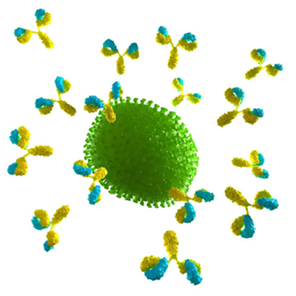
Description Anti-ACTA1 rabbit polyclonal antibody
Applications ELISA, WB, IHC
Immunogen Fusion protein of human ACTA1
Reactivity Human, Mouse, Rat
Content 0.5 mg/ml
Host species Rabbit
Ig class Immunogen-specific rabbit IgG
Purification Antigen affinity purification
Target information
Symbol ACTA1
Full name actin, alpha 1, skeletal muscle
Synonyms ACTA; ASMA; CFTD; MPFD; NEM1; NEM2; NEM3; CFTD1; CFTDM
Swissprot P68133
Target Background
The product encoded by this gene belongs to the actin family of proteins, which are highly conserved proteins that play a role in cell motility, structure and integrity. Alpha, beta and gamma actin isoforms have been identified, with alpha actins being a major constituent of the contractile apparatus, while beta and gamma actins are involved in the regulation of cell motility. This actin is an alpha actin that is found in skeletal muscle. Mutations in this gene cause nemaline myopathy type 3, congenital myopathy with excess of thin myofilaments, congenital myopathy with cores, and congenital myopathy with fiber-type disproportion, diseases that lead to muscle fiber defects.
风险提示:丁香通仅作为第三方平台,为商家信息发布提供平台空间。用户咨询产品时请注意保护个人信息及财产安全,合理判断,谨慎选购商品,商家和用户对交易行为负责。对于医疗器械类产品,请先查证核实企业经营资质和医疗器械产品注册证情况。
 文献和实验
文献和实验a simple ELISA method to detect human anti-antibody response.
Purification Of Anti Peptide Antibody
antibody that could contribute to staining background. The proportion in each pool varies with the peptide immunogen. The quality of the anti-peptide serum seems to increase with multiple boosts - the first bleed may be feeble.
Anticardiolipin Antibody and Anti-beta 2 Glycoprotein I Antibody Assays
standard” laboratory test to diagnose or classify a patient as having APS. This chapter discusses the clinical and laboratory theoretical and technical aspects of aCL and anti-β2GPI antibody assays.