


- 询价
- 澳洲悉尼
- CL0131
- 进口
- 2026年08月02日

企业认证
相关产品推荐更多 >




万千商家帮你免费找货
0 人在求购买到急需产品
相关阅读
香烟烟雾如何加速声带纤维化?CD44-透明质酸轴是关键通路Takara 秋促来袭,提取+反转录+定量套装仅 1200 元abinScience 体内级抗体 全年锁价 低至 ¥1200阿拉丁 22万+ 科研级产品现货速发,品质严控、科研无忧- 详细信息
- 询价记录
- 文献和实验
- 技术资料
- 样本:
血液
- 库存:
10000
- 适应物种:
人
- 检测方法:
酶联免疫法
- 供应商:
广州健仑生物科技有限公司
- 规格:
96T
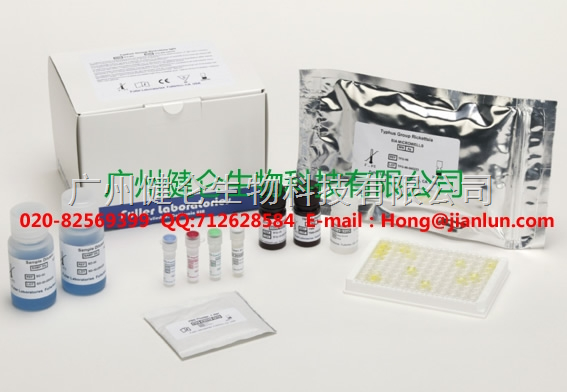
血液检测沙眼衣原体IgG、IgM抗体诊断试剂
广州健仑生物科技有限公司
悉尼隐孢子虫酶联免疫法ELISA检测试剂 我司还提供其它进口或国产试剂盒:登革热、疟疾、流感、A链球菌、合胞病毒、腮病毒、乙脑、寨卡、黄热病、基孔肯雅热、克锥虫病、违禁品滥用、肺炎球菌、军团菌、化妆品检测、食品安全检测等试剂盒以及日本生研细菌分型诊断血清、德国SiFin诊断血清、丹麦SSI诊断血清等产品欢迎致电。
欢迎电话咨询13802525278
欢迎QQ咨询2042552662
血液检测沙眼衣原体检测卡
血液检测沙眼衣原体检测卡
血液检测沙眼衣原体IgG、IgM抗体诊断试剂
血液检测沙眼衣原体IgG、IgM抗体诊断试剂
微信二维码扫一扫

【公司名称】 广州健仑生物科技有限公司
【联系电话】 13802525278 020-82574011 杨永汉
【公司传真】 020-32206070
【腾讯 QQ 】 2042552662
【公司地址】 广州清华科技园创新基地番禺石楼镇创启路63号二期2幢101-3室
【企业文化】


晚期因肝硬化引起门静脉高压和长期淤血,致脾脏呈进行性肿大,有的病人肿大的脾脏可占据大部分腹腔甚至下抵盆腔,并伴有脾功能亢进现象。镜检可见脾窦扩张充血,脾髓内、血管周围及脾小梁的结缔组织增生,脾小体萎缩减少,中央动脉管壁增厚发生玻璃样变。脾脏中偶有虫卵发现。4.其它脏器病 在胃及肠系膜以及淋巴结、胰、胆等偶有虫卵沉积。血吸虫病株儒患者有脑垂体前叶萎缩性病变和坏死,并可继发肾上腺、性腺等萎缩变化,骨骼发育迟缓,男子有睾丸退化,女子有盆腔发育不全。异位性损害主要由于急性感染时大量虫卵由静脉系统进入动脉,以肺和脑的异位损害为多见。肺部可有大量虫卵沉积和发生出血性肺炎。脑部病变多见于顶叶皮层部位,脑组织有肉芽肿和水肿。临床表现编辑侵袭期自尾蚴侵入体内至其成熟产卵的一段时期,平均1个月左右。症状主要由幼虫机械性损害及其代谢产物所引起。在接触疫水后数小时至2~3天内,尾蚴侵入处有皮炎出现,局部有红色小丘疹,奇痒,数日内即自行消退。当尾蚴行经肺部时,亦可造成局部小血管出血和炎症,患者可有咳嗽、胸痛、偶见痰中带血丝等。另外未抵达门脉的幼虫被杀死后成为异体蛋白,引起异体蛋白反应,而出现抵热、荨麻疹、嗜酸性粒细胞增多等表现。急性期本期一般见于初次大量感染1个月以后,相当于虫体成熟并大量产卵时期。大量虫卵沉积于肠壁和肝脏;同时由于虫卵毒素和组织破坏时产生的代谢产物,引起机体的过敏与中毒反应。临床上常有如下特点:1.发热:为本期主要的症状,发热的高低,期限和热型视感染轻重而异。热型不规则,可呈间歇或弛张热,热度多在39~40℃,同时伴有畏寒和盗汗。发热可持续数周至数月,轻症患者的发热较低,一般不超过38℃,仅持续数日后自动退热。2.胃肠道症状:虫卵在肠首,特别是降结肠,乙状结肠和直肠大量沉积,造成急性炎症,患者出现腹痛和腹泻。由于肠道嗜酸性脓肿,可引起表层粘膜坏死形成溃疡,故常呈痢疾样大便,可带血和粘液。
Late due to cirrhosis caused by portal hypertension and long-term congestion, resulting in progressive splenomegaly, and some patients with enlarged spleen can occupy most of the abdominal cavity or even down to the pelvic cavity, accompanied by hypersplenism. Microscopic examination revealed splenic sinus dilatation and hyperemia, connective tissue hyperplasia within the spleen, intraperitoneal and splenic trabecular, atrophy of splenic corpus, and thickening of the central arterial wall with hyalinization. Occasionally, eggs are found in the spleen. 4. Other organ diseases Occasionally eggs are deposited in the stomach and mesentery as well as in lymph nodes, pancreas, and gall bladder. Schistosomiasis patients with atrophy have anterior pituitary atrophy and necrosis, and can be secondary to adrenal gland, gonadal and other atrophy changes, skeletal growth retardation, men with testicular degeneration, women with pelvic hypoplasia. Allosteric damage is mainly due to a large number of eggs from the venous system into the arteries during acute infection, and ectopic lesions in the lungs and brain are more common. The lungs can have a large number of eggs deposited and hemorrhagic pneumonia. Brain lesions are more common in the parietal cortex, with granulomas and edema in brain tissue. The clinical manifestation of the editorial invasion period is about 1 month from the time when the tail lice invade the body to mature mating. Symptoms are mainly caused by larval mechanical damage and its metabolites. In a few hours to two to three days after contact with the water, there was dermatitis at the site of the infestation of the cercariae, and there were red small papules and itchiness in the area, which spontaneously subsided within a few days. When the cercaria passes through the lungs, it can also cause localized small blood vessel hemorrhage and inflammation. The patient may have cough, chest pain, and occasionally sputum blood stains. In addition, the larvae that have not reached the portal vein are killed and become allogeneic protein, causing allogeneic protein reactions, and there is resistance to heat, urticaria, and eosinophilia. The acute phase of this period is generally seen in the first large-scale infection after 1 month, equivalent to the maturation of the body and a large number of spawning period. A large number of eggs are deposited in the intestinal wall and liver; at the same time, the body's allergic and poisoning reactions are caused by the toxins and metabolites produced by tissue destruction. Clinically, there are often the following characteristics: 1. Fever: The main symptoms of this period, the level of fever, duration and heat depending on the severity of infection. Irregular heat, can be intermittent or remittent fever, heat at 39 ~ 40 °C, accompanied by chills and night sweats. The fever lasts from several weeks to several months. Mildly ill patients have low fever. Generally, they do not exceed 38°C. They only automatically heat down after a few days. 2. Gastrointestinal Symptoms: Eggs are deposited in the intestine, especially in the descending colon, sigmoid colon, and rectum, resulting in acute inflammation, with abdominal pain and diarrhea. Due to the eosinophilic abscess in the intestine, it can cause ulceration in the surface mucosal necrosis, so it often presents with diarrhea-like stools, which can bring blood and mucus.
风险提示:丁香通仅作为第三方平台,为商家信息发布提供平台空间。用户咨询产品时请注意保护个人信息及财产安全,合理判断,谨慎选购商品,商家和用户对交易行为负责。对于医疗器械类产品,请先查证核实企业经营资质和医疗器械产品注册证情况。
 询价记录
询价记录 暂无询价记录
 文献和实验
文献和实验抗体的结构 抗体是能与抗原特异性结合的免疫球蛋白(immunoglobulin,Ig)。Ig 分五类,即 IgG、IgA、IgM、IgD 和 IgE。与免疫测定有关的 Ig 主要为 IgG 和 IgM。Ig 由两个轻链(L)和两个重链(H)的单体组成。Ig 的轻链是相同的,有 κ(kappa)和 λ(Lambda)两种型别。五类 Ig 的重链结构不同,这决定了它们的抗原性也不同。IgG 和 IgM 的重链分别称为 γ(gamma)链和 μ(mu )链。 重链和轻链的 N 端的氨基酸排列顺序
效应。假使在被测分子的不同位点上含有多个相同的决定簇,例如HBsAg的a决定簇,也可用针对此决定簇的同一单抗分别包被固相和制备酶结合物。但在HBsAg的检测中应注意亚型问题,HBsAg有adr、adw、ayr、ayw4个亚型,虽然每种亚型均有相同的a决定簇的反应性,这也是用单抗作夹心法应注意的问题。双抗体夹心法测抗原的另一注意点是类风湿因子(RF)的干扰。RF是一种自身抗体,多为IgM型,能和多种动物IgG的Fc段结合。用作双抗体夹心法检测的血清标本中如含有RF,它可充当抗原成份,同时与固相抗体和酶标抗体
决定簇(antigenic determinant),或称为表位(epitope)。一个抗原分子可带有不同的决定簇。二、抗体(一)抗体的结构抗体是能与抗原特异性结合的免疫球蛋白(immunoglobulin,Ig)。Ig分五类,即IgG、IgA、IgM、IgD和IgE.与免疫测定有关的Ig主要为IgG和IgM.Ig由两个轻链(L)和两个重链(H)的单体组成。Ig的轻链是相同的,有κ(kappa)和λ(Lambda)两种型别。五类Ig的重链结构不同,这决定了它们的抗原性也不同。IgG和IgM的重链分别称为γ(gamma
 技术资料
技术资料暂无技术资料 索取技术资料

