

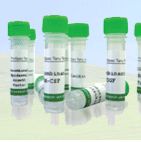
- ¥1080 - 20286
- PROSPEC
- 以色列
- cyt-897
- 2026年02月04日

企业认证
相关产品推荐更多 >
万千商家帮你免费找货
0 人在求购买到急需产品
相关阅读
细胞污染识别与处理全攻略:5 种常见类型+关键误区Cytoscape 教程来了!快速实现顶刊同款通路网络图五大应用案例:Mustang Q 膜层析应用全解析1 个小工具,一次性搞定流程图、质粒图谱和信号通路图- 详细信息
- 文献和实验
- 技术资料
- 保存条件:
for future use below -18°C
- 保质期:
See instructions
- 英文名:
BMPR1B
- 库存:
部分小规格有备货
- 供应商:
上海经科化学科技有限公司
- CAS号:
无
- 规格:
2ug/10ug/100ug
| 规格: | 2ug | 产品价格: | ¥1080.0 |
|---|---|---|---|
| 规格: | 10ug | 产品价格: | ¥2415.0 |
| 规格: | 100ug | 产品价格: | ¥20286.0 |

CATALOGUE NUMBER
CYT-897
SYNONYMS
Bone Morphogenetic Protein Receptor, Type IB, BMP Type-1B Receptor, EC 2.7.11.30, BMPR-1B, ALK6, Bone Morphogenetic Protein Receptor Type-1B, Serine/Threonine Receptor Kinase, CDw293 Antigen, EC 2.7.11, CDw293, ALK-6, Bone morphogenetic protein receptor type-1B.
INTRODUCTION
DESCRIPTION
SOURCE
PHYSICAL APPEARANCE
FORMULATION
STABILITY
For long term storage it is recommended to add a carrier protein (0.1% HSA or BSA).
Avoid multiple freeze-thaw cycles.
PURITY
SAFETY DATA SHEET
SDS
AMINO ACID SEQUENCE
USAGE
BACKGROUND
Bone Morphogenetic Protein Receptor-1B Human Recombinant: A Key Regulator of Cellular Signaling in Development and Disease
Abstract:
Bone Morphogenetic Protein Receptor-1B (BMPR1B) human recombinant is a critical component of the bone morphogenetic protein (BMP) signaling pathway, governing cellular processes such as embryogenesis, tissue homeostasis, and disease progression. This research paper provides a comprehensive analysis of BMPR1B, including its characteristics, signaling mechanisms, and potential therapeutic applications. Additionally, innovative methodologies for the production and optimization of BMPR1B human recombinant are proposed, shedding light on its future implications in the field of regenerative medicine.
Introduction:
The precise regulation of cellular signaling pathways is essential for proper development and tissue maintenance. BMPR1B, a key receptor in the BMP pathway, plays a crucial role in various biological processes. This paper explores the unique features of BMPR1B and presents novel approaches for its production and optimization, aiming to unravel its therapeutic potential in a wide range of developmental and disease contexts.
Characteristics and Signaling Mechanisms:
BMPR1B belongs to the serine/threonine kinase receptor family and is predominantly expressed in embryonic tissues, skeletal structures, and reproductive organs. Upon binding to BMP ligands, BMPR1B initiates downstream signaling cascades, including Smad-dependent and Smad-independent pathways. These pathways regulate gene expression, cellular proliferation, differentiation, and apoptosis, ultimately influencing tissue development and homeostasis.
Production of BMPR1B Human Recombinant:
Efficient production methodologies are pivotal for harnessing the therapeutic potential of BMPR1B human recombinant. Mammalian expression systems, such as Chinese hamster ovary (CHO) cells, have been widely employed to ensure proper folding and post-translational modifications of the receptor. Optimization strategies, including codon optimization and vector engineering, have been utilized to enhance production efficiency. Purification techniques, such as affinity chromatography and size exclusion chromatography, have been optimized to obtain high-quality BMPR1B recombinant protein.
Potential Therapeutic Applications:
BMPR1B human recombinant holds tremendous promise in the field of regenerative medicine and disease therapy. Dysregulation of the BMP signaling pathway has been implicated in various developmental disorders, including skeletal abnormalities and congenital malformations. Modulating BMPR1B activity using BMPR1B human recombinant may offer a targeted approach for promoting tissue regeneration and repair in these conditions. Furthermore, BMPR1B signaling is involved in several diseases, such as cancer and cardiovascular disorders, highlighting its potential as a therapeutic target for intervention.
Conclusion:
BMPR1B human recombinant represents a vital regulator in cellular signaling, with significant implications in development and disease. Optimizing production methodologies and expanding our understanding of its signaling mechanisms will further enhance its therapeutic potential. With its involvement in various biological processes and disease contexts, BMPR1B human recombinant emerges as a promising tool for regenerative medicine and targeted therapeutics.
风险提示:丁香通仅作为第三方平台,为商家信息发布提供平台空间。用户咨询产品时请注意保护个人信息及财产安全,合理判断,谨慎选购商品,商家和用户对交易行为负责。对于医疗器械类产品,请先查证核实企业经营资质和医疗器械产品注册证情况。
 文献和实验
文献和实验- ten Dijke P, Yamashita H, Sampath TK, et al. Identification of type I receptors for osteogenic protein-1 and bone morphogenetic protein-4. J Biol Chem. 1994;269(25):16985-16988.
- Rosenzweig BL, Imamura T, Okadome T, et al. Cloning and characterization of a human type II receptor for bone morphogenetic proteins. Proc Natl Acad Sci USA. 1995;92(17):7632-7636.
- Miyazono K, Kamiya Y, Morikawa M. Bone morphogenetic protein receptors and signal transduction. J Biochem. 2010;147(1):35-51.
- Miyazono K, ten Dijke P, Heldin CH. TGF-β signaling by Smad proteins. Adv Immunol. 2000;75:115-157.
- Chang C, Hemmati-Brivanlou A. Cell signaling. Receptors, Smads, and transcription factors in the transforming growth factor-β superfamily signaling. Sci STKE. 1999;1999(15):re8.
Elastin-Based Nanoparticles for Delivery of Bone Morphogenetic Proteins
Biocompatibility, stability, and efficiency remain among the major goals in the development of new drug delivery systems. Herein we describe a facile method for encapsulation of Bone Morphogenetic Protein-2 (BMP-2) at high concentrations
Detection of Noncollagenous Bone Proteins in Methylmethacrylate-Embedded Human Bone Sections
The organic matrix of bone is a well-organized network of proteins. The main constituent is type I collagen. The noncollagenous proteins (NCPs) comprise about 10% of the total bone protein content. A variety of NCPs has been identified
Human progesterone receptor (PR) is a member of the nuclear hormone receptor superfamily of transcriptional activators, which share a common modular structure consisting of a C-terminal ligand-binding domain (LBD), a highly conserved
 技术资料
技术资料
