

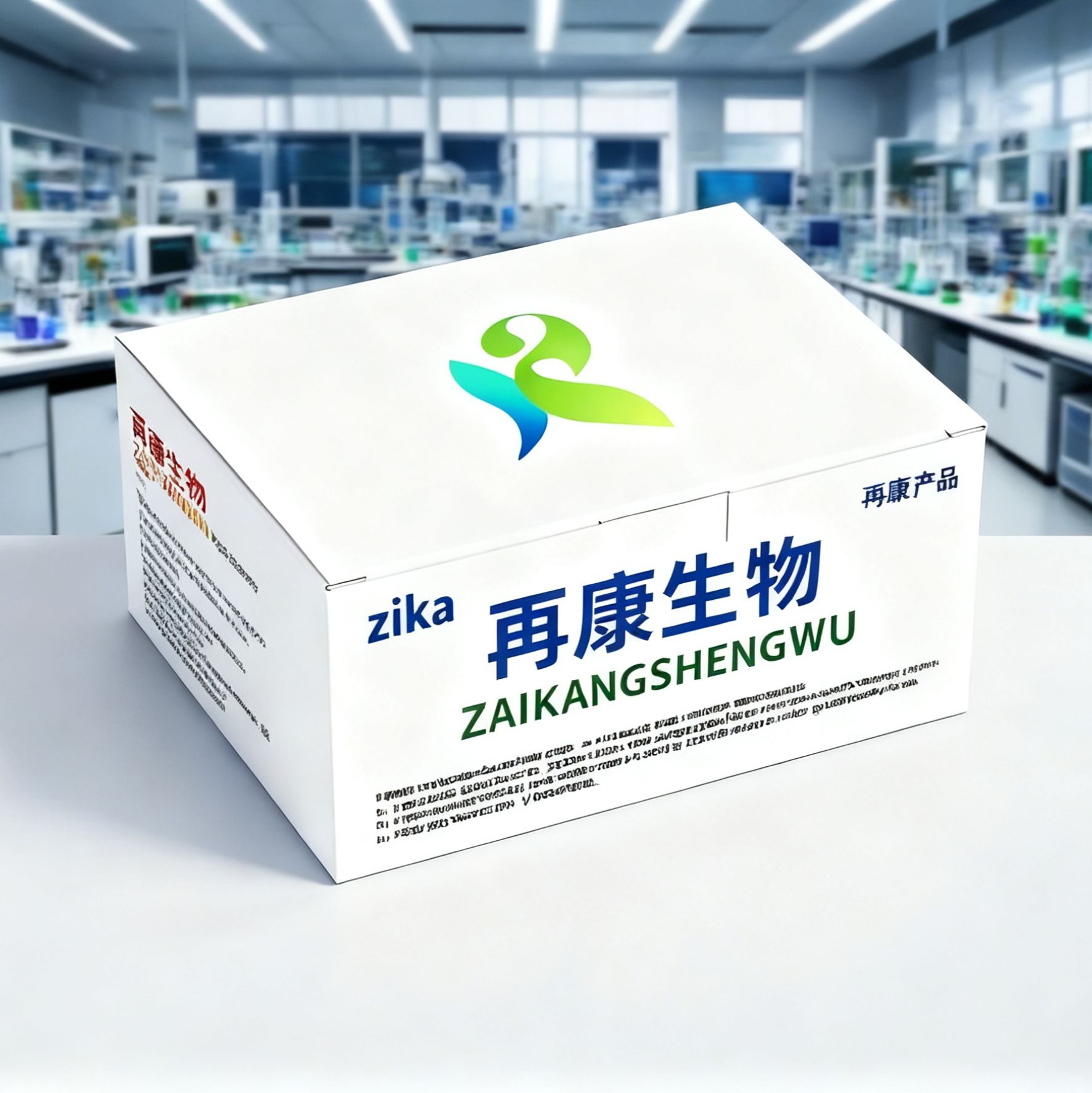
- $247
- Alomone
- ZK-0039473
- 以色列
- 2025年11月20日
- IH, WB
- Rabbit
- 见官方网站

企业认证
相关产品推荐更多 >
万千商家帮你免费找货
0 人在求购买到急需产品
- 详细信息
- 文献和实验
- 技术资料
- 供应商:
上海再康生物科技有限公司
- 库存:
大量
- 靶点:
见官方网站
- 级别:
高
- 目录编号:
ACC-314
- 克隆性:
多克隆
- 抗原来源:
Rabbit
- 保质期:
6个月
- 抗体英文名:
Anti-CaV1.1 (extracellular)
- 抗体名:
Anti-CaV1.1 (extracellular)
- 标记物:
见官方网站
- 宿主:
Rabbit
- 适应物种:
见官方网站
- 免疫原:
见官方网站
- 亚型:
见官方网站
- 形态:
液体或冻干粉
- 应用范围:
IH, WB
- 浓度:
见官方网站
- 保存条件:
-20°C
- 规格:
25 µl, 50 µl, 0.2 ml
Anti-CaV1.1 (extracellular)
Voltage-dependent L-type calcium channel subunit alpha-1S, Cach1, Cach1b, Cacn1, Cacnl1a3, Cacna1sCat #: ACC-314
Sizes: 25 µl, 50 µl, 0.2 ml
Source: Rabbit
Type: Polyclonal
Applications: IH, WB
May also work in: IFC, IC, LCI, IP
Reactivity: H, M, R
Application key:
CBE- Cell-based ELISA, FC- Flow cytometry, IC- Immunocytochemistry, IE- Indirect ELISA, IFC- Indirect flow cytometry, IH- Immunohistochemistry, IP- Immunoprecipitation, LCI- Live cell imaging, N- Neutralization, WB- Western blotSpecies reactivity key:
H- Human, M- Mouse, R- RatCLICK HERE TO RECEIVE A 25 µl FREE TRIAL SAMPLE!
Alomone Labs is pleased to offer a highly specific antibody directed against an extracellular epitope of rat CaV1.1. Anti-CaV1.1 (extracellular) antibody (#ACC-314) can be used in western blot and immunohistochemistry applications. The antibody recognizes an extracellular epitope and is thus ideal for detecting the channel in living cells. It has been designed to recognize CaV1.1 from rat, mouse and human samples.
- Applications
- Specifications
- Scientific Background
- Related Products
Western blot analysis of rat skeletal muscle:
1. Anti-CaV1.1 (extracellular) antibody (#ACC-314), (1:200).
2. Anti-CaV1.1 (extracellular) antibody preincubated with the control peptide antigen.
Immunohistochemistry
Expression of CaV1.1 in rat skeletal muscle
Immunohistochemical staining of paraffin-embedded rat skeletal muscle sections using Anti-CaV1.1 (extracellular) antibody (#ACC-314), (1:100), followed by DAB. CaV1.1 staining is highly specific for striated muscle cells. Note that smooth muscle cells of arteries are not stained (arrow). Hematoxilin is used as the counterstain.
Immunogen
Peptide CGNVDPDESARIS, corresponding to amino acid residues 506-518 of rat CaV1.1 (Accession Q02485). 2nd extracellular loop, domain IV.
HomologyMouse, human - identical.
PurityAffinity purified on immobilized antigen.
FormulationLyophilized powder. Reconstituted antibody contains phosphate buffered saline (PBS), pH 7.4, 1% BSA, 0.05% NaN3.
Standard quality control of each lotWestern blot analysis.
Peptide confirmationConfirmed by amino acid analysis and mass spectrometry.
Storage before reconstitutionThe antibody ships as a lyophilized powder at room temperature. Upon arrival, it should be stored at -20°C.
Reconstitution25 µl, 50 µl or 0.2 ml double distilled water (DDW), depending on the sample size.
Antibody concentration after reconstitution0.85 mg/ml.
Storage after reconstitutionThe reconstituted solution can be stored at 4°C for up to 1 week. For longer periods, small aliquots should be stored at -20°C. Avoid multiple freezing and thawing. Centrifuge all antibody preparations before use (10000 x g 5 min).
Control antigen storage before reconstitutionLyophilized powder can be stored intact at room temperature for 2 weeks. For longer periods, it should be stored at -20°C.
Control antigen reconstitution100 µl double distilled water (DDW).
Control antigen storage after reconstitution-20ºC.
Preadsorption Control1 µg peptide per 1 µg antibody.
Scientific background
Voltage-gated Ca2+ channels (VGCCs) serve as key transducers coupling changes in cell surface membrane potential with local intracellular Ca2+ pathways. Among the three families of VGCCs, L-type Ca2+ channels (L-VGCCs), include four different isoforms of the α1 pore-forming subunit: CaV1.1, CaV1.2, CaV1.3 and CaV1.41.
CaV1.1 (α1S) is the prototypical VGCCs. It was the first member of the CaV family to be cloned2. CaV1.1 is a single polypeptide composed of four relatively conserved repeats (I, II, II and IV) containing six α-helices a piece. The fourth α-helix of each repeat has a regularly spaced sequence of basic residues that is believed to be critical for voltage-sensing. The I–II-linker is the site of interaction with the intracellular β1a subunit 3.
CaV1.1 is expressed solely in skeletal muscle. It is localized in regions of the T-tubular membrane that are closely opposed to the sarcoplasmic reticulum (the TSR junction). The primary role of CaV1.1 is to serve as the voltage sensor for skeletal muscle-type excitation contraction (EC) coupling4.
Mutations in CaV1.1 have been identified as causative for two congenital muscle pathophysiologies: hypokalemic periodic paralysis5 (HypoKPP) and malignant hyperthermia6.
References
- Zuccotti, A. et al. (2011) Trends Pharmacol. Sci. 32, 366.
- Tanabe, T. et al. (1987) Nature 328, 313.
- Bannister, R.A. and Beam, K.G. (2013) Biochim. Biophys. Acta 1828, 1587.
- Stroffekova, K. (2024) Pflugers Arch. 455, 873.
- Renner, D.R. and Ptacek, L.J. (2002) Adv. Neurol. 88, 235.
- Jurkat-Rott, K. Lehmann-Horn, F. (2005) J. Clin. Invest. 115, 2000.
风险提示:丁香通仅作为第三方平台,为商家信息发布提供平台空间。用户咨询产品时请注意保护个人信息及财产安全,合理判断,谨慎选购商品,商家和用户对交易行为负责。对于医疗器械类产品,请先查证核实企业经营资质和医疗器械产品注册证情况。
 文献和实验
文献和实验编者按 胰腺导管腺癌是最致命的实体恶性肿瘤之一,现有抗血管生成疗法效果不佳,而血管生成拟态作为一种非内皮依赖性血管化模式,在该疾病中发挥着重要作用,但其调控机制尚不明确。 2026年3月18日,吉林大学第一医院在Gut发表的一项研究“CAV1-DOT1L axis in TAM-derived EVs orchestrates VM and sensitises PDAC to combined VM and VEGF targeting”,阐明肿瘤相关巨噬细胞,特别是M
Anti-factor Xa (Anti-Xa) Assay
The anti-factor Xa (anti-Xa) assay is a functional assay that facilitates the measurement of antithrombin (AT)-catalyzed inhibition of factor Xa by unfractionated heparin (UFH) and direct inhibition of factor Xa by low-molecular-weight
Assessment of Extracellular ATP Concentrations
Most cells release ATP to the extracellular milieu. Extracellular ATP plays important signaling roles by activating a score of broadly distributed cell surface purinergic receptors (purinoceptors). Biological responses regulated by purinergic
 技术资料
技术资料暂无技术资料 索取技术资料

