- 询价
- BIO-RAD

- MCA1317GA
- 2025年10月17日
- C *, F, IP
- Human

企业认证
相关产品推荐更多 >
万千商家帮你免费找货
0 人在求购买到急需产品
- 详细信息
- 文献和实验
- 技术资料
- 免疫原:
Human T-cell leukemia cells (T-CLL)
- 亚型:
IgG1
- 形态:
Purified IgG - liquid
- 克隆性:
Monoclonal Antibody
- 标记物:
Purified
- 适应物种:
Human
- 保质期:
自发货之日起 12 个月
- 目录编号:
M-A261
- 供应商:
伯乐生命医学产品(上海)有限公司
- 应用范围:
C *, F, IP
- 浓度:
IgG concentration 1 mg/ml
- 抗体名:
CD26 antibody | M-A261
- 规格:
0.1 mg/0.2 mg
| 规格: | 0.1 mg | 产品价格: | 询价 |
|---|---|---|---|
| 规格: | 0.2 mg | 产品价格: | 询价 |
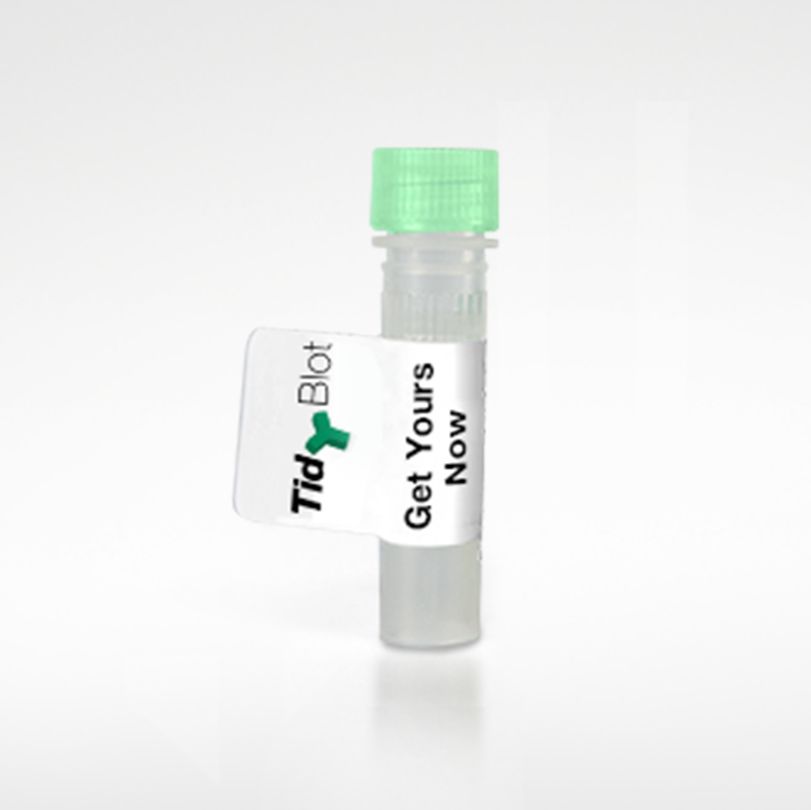
Mouse anti Human CD26 antibody, clone M-A261, recognizes human dipeptidyl peptidase 4, also known as adenosine deaminase complexing protein 2, CD26, TP103, ADABP or DPP IV. CD26 is a 766 amino acid ~110 kDa single pass type II transmembrane glycoprotein expressed by activated T cells, B cells and macrophages. A soluble form of CD26 can be derived by cleavage of the membrane bound form between residues 38-39 (Uniprot: 27487).
CD26 acts as a functional receptor for the pathogenic Middle East respiratory syndrome coronavirus [MERS-CoV] (Raj et al. 2014), a severe and frequently fatal disease in humans and marmosets sharing identical CD26 sequence at the site of interaction with the MERS-CoV spike protein (Lu et al. 2013, Wang et al. 2013).
Mouse anti Human CD26 antibody, clone M-A261 has been used successfully for the immunohistochemical detection of CD26 on formalin fixed, paraffin embedded tissues and the demonstration of elevated CD26 expression in thyroid neoplasia (Kholová et al. 2003). Mouse anti Human CD26 antibody, clone M-A261 has also been used for the immunohistochemical detection of CD26 on cryostat sections using both immunoperoxidase and immunofluorescence staining in liver biopsies from NASH patients (Balaban et al. 2007).
CD26 acts as a functional receptor for the pathogenic Middle East respiratory syndrome coronavirus [MERS-CoV] (Raj et al. 2014), a severe and frequently fatal disease in humans and marmosets sharing identical CD26 sequence at the site of interaction with the MERS-CoV spike protein (Lu et al. 2013, Wang et al. 2013).
Mouse anti Human CD26 antibody, clone M-A261 has been used successfully for the immunohistochemical detection of CD26 on formalin fixed, paraffin embedded tissues and the demonstration of elevated CD26 expression in thyroid neoplasia (Kholová et al. 2003). Mouse anti Human CD26 antibody, clone M-A261 has also been used for the immunohistochemical detection of CD26 on cryostat sections using both immunoperoxidase and immunofluorescence staining in liver biopsies from NASH patients (Balaban et al. 2007).
储存信息
This product is shipped at ambient temperature. It is recommended to aliquot and store at -20°C on receipt. When thawed, aliquot the sample as needed. Keep aliquots at 2-8°C for short term use (up to 4 weeks) and store the remaining aliquots at -20°C.
Avoid repeated freezing and thawing as this may denature the antibody. Storage in frost-free freezers is not recommended.
Avoid repeated freezing and thawing as this may denature the antibody. Storage in frost-free freezers is not recommended.
应用
This product has been reported to work in the following applications. This information is derived from testing within our laboratories, peer-reviewed publications or personal communications from the originators. Please refer to references indicated for further information. For general protocol recommendations, please visit the antibody protocols page.
| Application Name | Verified | Min Dilution | Max Dilution |
|---|---|---|---|
| Flow Cytometry | ✓ | 1/50 | 1/100 |
| Immunohistology - Frozen 1 | ✓ | ||
| Immunohistology - Paraffin | × | ||
| Immunoprecipitation | ✓ |
- 1The epitope recognised by this antibody is reported to be sensitive to formaldehyde fixation and tissue processing. Bio-Rad recommends the use of * fixation for frozen sections.
Where this product has not been tested for use in a particular technique this does not necessarily exclude its use in such procedures. Suggested working dilutions are given as a guide only. It is recommended that the user titrates the product for use in their own system using appropriate negative/positive controls.
- Flow Cytometry
- Use 10μl of the suggested working dilution to label 106 cells or 100μl whole blood
- Histology Positive Control Tissue
- Thymus
风险提示:丁香通仅作为第三方平台,为商家信息发布提供平台空间。用户咨询产品时请注意保护个人信息及财产安全,合理判断,谨慎选购商品,商家和用户对交易行为负责。对于医疗器械类产品,请先查证核实企业经营资质和医疗器械产品注册证情况。
 文献和实验
文献和实验该产品被引用文献
References for CD26 antibody
- Berg, L.P. et al. (2002) Functional consequences of noncognate interactions between CD4+ memory T lymphocytes and the endothelium.
J Immunol. 168 (7): 3227-34. - James, M.J.
(2003) Anergic T cells exert antigen-independent inhibition of cell-cell interactions via chemokine metabolism.
Blood.102: 2173-9. - Kholová, I. et al. (2003) Immunohistochemical detection of dipeptidyl peptidase IV (CD 26) in thyroid neoplasia using biotinylated tyramine amplification.
Neoplasma. 50: 159-64. - Le Naour, F. et al. (2006) Profiling of the tetraspanin web of human colon cancer cells.
Mol Cell Proteomics. 5: 845-57. - Lutz, M.S. and Burk, R.D. (2006) Primary cilium formation requires von hippel-lindau gene function in renal-derived cells.
Cancer Res. 66: 6903-7. - Balaban, Y.H. et al. (2007) Dipeptidyl peptidase IV (DDP IV) in NASH patients.
Ann Hepatol. 6: 242-50. - Snooks, M.J. et al. (2008) Vectorial entry and release of hepatitis A virus in polarized human hepatocytes.
J Virol. 82: 8733-42. - Post, S. et al. (2010) Impaired recruitment of HHT-1 mononuclear cells to the ischaemic heart is due to an altered CXCR4/CD26 balance.
Cardiovasc Res. 85: 494-502.
 技术资料
技术资料暂无技术资料 索取技术资料
文献支持
Mouse anti Human CD26,clone M-A261
询价