- 询价
- BIO-RAD

- MCA5639B
- 2025年10月17日
- E, WB
- Human

企业认证
相关产品推荐更多 >
万千商家帮你免费找货
0 人在求购买到急需产品
- 详细信息
- 文献和实验
- 技术资料
- 免疫原:
Purified ApoHDL fraction.
- 亚型:
IgG1
- 形态:
Purified IgG conjugated to Biotin - liquid
- 克隆性:
Monoclonal Antibody
- 标记物:
Biotin
- 适应物种:
Human
- 保质期:
自发货之日起 12 个月
- 目录编号:
WUE-4
- 供应商:
伯乐生命医学产品(上海)有限公司
- 应用范围:
E, WB
- 浓度:
IgG concentration 0.1 mg/ml
- 抗体名:
Apolipoprotein E antibody | WUE-4
- 规格:
0.1 mg
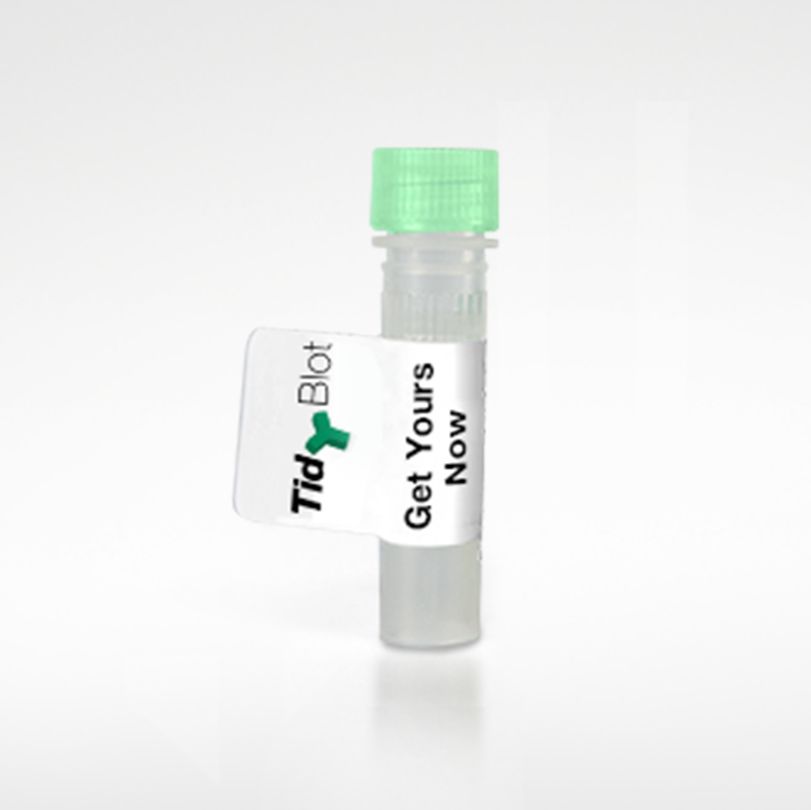
Mouse anti Human Apolipoprotein E antibody, clone WUE-4 recognizes an epitope within amino acids 140-160 of human apolipoprotein E (Apo-E), a major component of very low-density lipoproteins (VLDLs). Apo-E is the principle apolipoprotein in the central nervous system, and is secreted by most organs into the plasma, playing a vital role in the binding, internalization and catabolism of triglyceride-rich lipoprotein constituents.
Apo-E acts as a ligand for both the specific apo-E receptor (chylomicron remnant) of hepatic tissues, and the apoB,E (LDL) receptor. Three isoforms of Apo-E have been identified, ApoE2, E3 and E4, and have been linked with various disorders. ApoE2 has been shown to bind LPL receptors with low affinity, resulting in increased plasma cholesterol and triglyceride levels, and thereby an increased risk in cardiovascular disorders. ApoE4 is a high risk factor for Alzheimers disease (Sanan et al. 1994), and in particular late onset Alzheimer disease 2 (AD2), whilst ApoE3 is the most common isoform, and considered the normal/natural Apo-E genotype.
Mouse anti Human Apolipoprotein E antibody, clone WUE-4 has been shown to inhibit Apo-E mediated binding of lipoproteins to the apoB,E cell receptor (Krul et al. 1998).
Apo-E acts as a ligand for both the specific apo-E receptor (chylomicron remnant) of hepatic tissues, and the apoB,E (LDL) receptor. Three isoforms of Apo-E have been identified, ApoE2, E3 and E4, and have been linked with various disorders. ApoE2 has been shown to bind LPL receptors with low affinity, resulting in increased plasma cholesterol and triglyceride levels, and thereby an increased risk in cardiovascular disorders. ApoE4 is a high risk factor for Alzheimers disease (Sanan et al. 1994), and in particular late onset Alzheimer disease 2 (AD2), whilst ApoE3 is the most common isoform, and considered the normal/natural Apo-E genotype.
Mouse anti Human Apolipoprotein E antibody, clone WUE-4 has been shown to inhibit Apo-E mediated binding of lipoproteins to the apoB,E cell receptor (Krul et al. 1998).
储存信息
This product is shipped at ambient temperature. It is recommended to aliquot and store at -20°C on receipt. When thawed, aliquot the sample as needed. Keep aliquots at 2-8°C for short term use (up to 4 weeks) and store the remaining aliquots at -20°C.
Avoid repeated freezing and thawing as this may denature the antibody. Storage in frost-free freezers is not recommended.
Avoid repeated freezing and thawing as this may denature the antibody. Storage in frost-free freezers is not recommended.
应用
This product has been reported to work in the following applications. This information is derived from testing within our laboratories, peer-reviewed publications or personal communications from the originators. Please refer to references indicated for further information. For general protocol recommendations, please visit the antibody protocols page.
| Application Name | Verified | Min Dilution | Max Dilution |
|---|---|---|---|
| ELISA | ✓ | ||
| Western Blotting | ✓ |
Where this product has not been tested for use in a particular technique this does not necessarily exclude its use in such procedures. Suggested working dilutions are given as a guide only. It is recommended that the user titrates the product for use in their own system using appropriate negative/positive controls.
- Western Blotting
- MCA5639B detects a major band of approximately 34-36kDa in human liver cell lysates.
风险提示:丁香通仅作为第三方平台,为商家信息发布提供平台空间。用户咨询产品时请注意保护个人信息及财产安全,合理判断,谨慎选购商品,商家和用户对交易行为负责。对于医疗器械类产品,请先查证核实企业经营资质和医疗器械产品注册证情况。
 文献和实验
文献和实验该产品被引用文献
Source Reference
- Krul, E.S. et al. (1988) Heterogeneity of apolipoprotein E epitope expression on human lipoproteins: importance for apolipoprotein E function.
J Lipid Res. 29 (10): 1309-25.
References for Apolipoprotein E antibody
- Davis, R.W. et al. (1991) Lipoproteins in pinnipeds: analysis of a high molecular weight form of apolipoprotein E.
J Lipid Res. 32 (6): 1013-23. - Fagan, A.M. et al. (2004) ApoAI deficiency results in marked reductions in plasma cholesterol but no alterations in amyloid-beta pathology in a mouse model of Alzheimer's disease-like cerebral amyloidosis.
Am J Pathol. 165: 1413-22. - Fryer, J.D. et al. (2005) The low density lipoprotein receptor regulates the level of central nervous system human and murine apolipoprotein E but does not modify amyloid plaque pathology in PDAPP mice.
J Biol Chem. 280 (27): 25754-9. - Wahrle, S.E. et al. (2007) Apolipoprotein E levels in cerebrospinal fluid and the effects of ABCA1 polymorphisms.
Mol Neurodegener. 2: 7. - Hirsch-Reinshagen, V. et al. (2009) LCAT synthesized by primary astrocytes esterifies cholesterol on glia-derived lipoproteins.
J Lipid Res. 50: 885-93. - Fan, J. et al. (2011) An ABCA1-independent pathway for recycling a poorly lipidated 8.1 nm apolipoprotein E particle from glia.
J Lipid Res. 52: 1605-16. - Youmans, K.L. et al. (2011) Amyloid-β42 alters apolipoprotein E solubility in brains of mice with five familial AD mutations.
J Neurosci Methods. 196: 51-9. - Kim, J. et al. (2012) Anti-apoE immunotherapy inhibits amyloid accumulation in a transgenic mouse model of Aβ amyloidosis.
J Exp Med. 209: 2149-56.
 技术资料
技术资料暂无技术资料 索取技术资料
文献支持
Mouse anti Human Apolipoprotein E:Biotin,clone WUE-4
询价