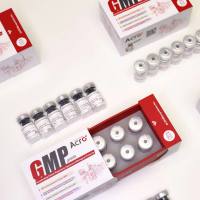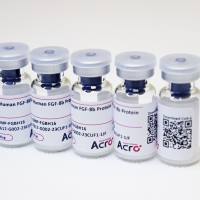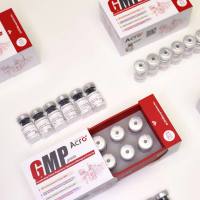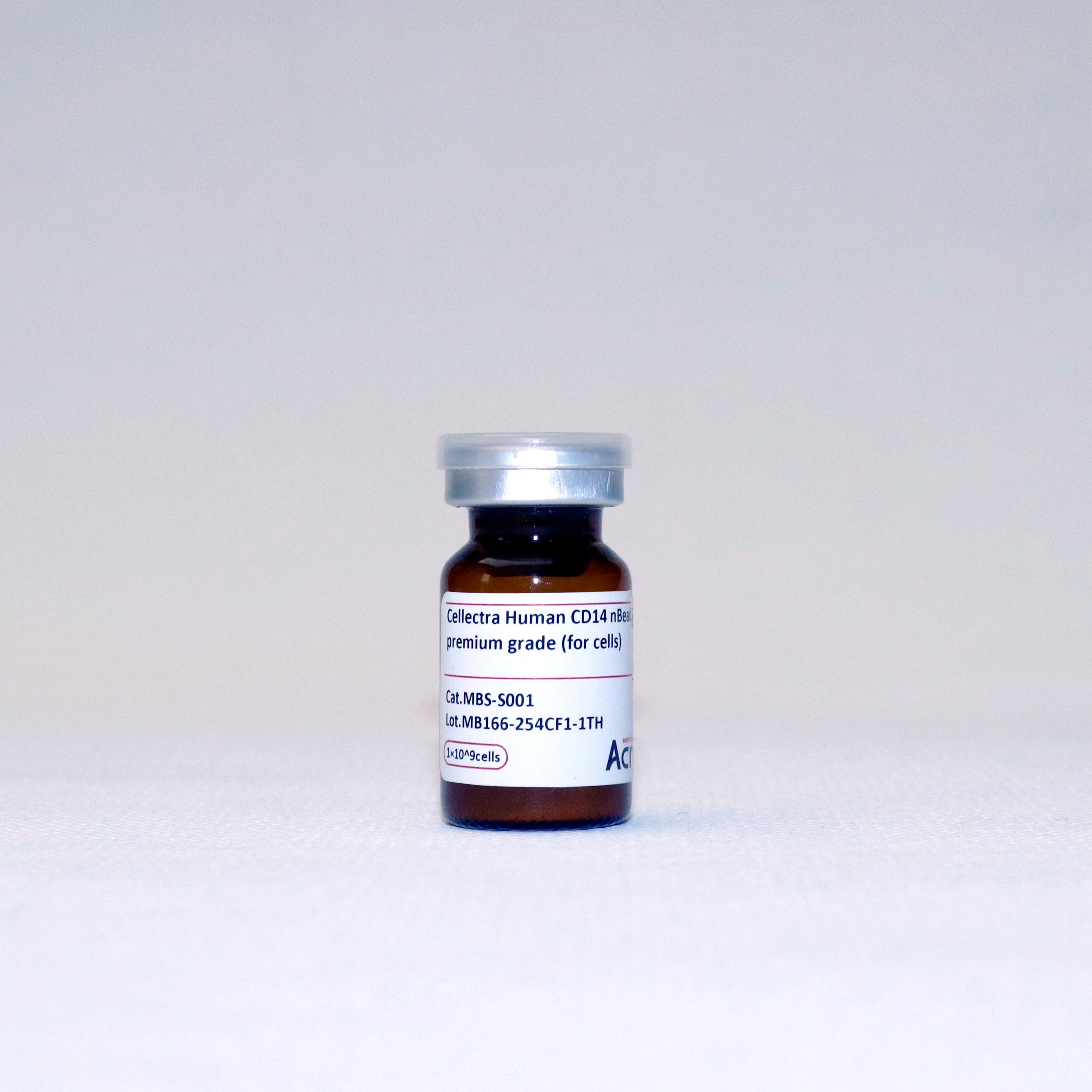
产品封面图
文献支持

Cellectra CD14纳米分选磁珠

收藏
  • ¥3980
  • ACROBiosystems已认证
  • MBS-S001
  • 2025年08月21日
    avatar
  • 企业认证

    点击 QQ 联系

    • 详细信息
    • 文献和实验
    • 技术资料
    • 抗体名

      CD14

    • 规格

      1X10^9cells

    • 中文介绍:

    Cellectra Human CD14 nBeads, premium grade (for cells)是50 nm葡聚糖包被的超顺磁性氧化铁纳米颗粒,专为CD14⁺细胞的分离纯化而设计。产品通过在磁珠表面偶联高亲和力的抗CD14单克隆抗体,可实现对单核细胞与巨噬细胞的高效识别与靶向捕获。产品在无菌制造条件下生产,整个生产过程中不使用动物或人源的成分;经多Donor样本验证,性能稳定可靠;同时支持GMP版本升级,助力临床转化需求;现货发售,保证稳定供应,欢迎咨询选购!


    • 产品描述(Product Description)

      Cellectra Human CD14 nBeads, premium grade (for cells) are 50 nm dextran-coated superparamagnetic iron oxide nanoparticles which the surface is conjugated with recombinant monoclonal antibodies specific to human CD14 (Isotype: mouse IgG1). They are especially designed for positive selection of CD14+ cells. Cellectra Human CD14 nBeads, premium grade (for cells) are produced under sterile manufacturing conditions (ISO 5), and no animal- or human-derived components are used throughout the production process. It is produced under our rigorous quality control system that includes a comprehensive set of tests including sterility and endotoxin tests.

    • 应用说明(Application)

      Cellectra Human CD14 nBeads, premium grade (for cells) are designed for the positive selection of monocytes and macrophages from fresh or frozen human peripheral blood mononuclear cells (PBMCs). CD14, a glycosylphosphatidylinositol (GPI)-anchored membrane protein, is predominantly expressed on the surface of human monocytes and macrophages. The magnetic nBeads are conjugated with monoclonal antibodies targeting human CD14 protein, enabling CD14+ cells to be labeled with the specific antibodies and magnetic particles, and separated using the separation columns and magnets.

    • 存储(Storage)

      This product is stable after storage at: 2-8°C for 36 months in lyophilized state; 2-8°C for 18 months under sterile conditions after reconstitution.

      Please avoid repeated freeze-thaw cycles once reconstituion.

    • 无菌(Sterility)

      Negative

    • 内毒素(Endotoxin)

      Less than 0.002 EU per μg by the LAL method / rFC method.

    • 注意事项(Important Note)

      This product is for research use only and not intended for therapeutic or in vivo diagnostic use.

    • 制剂(Formulation)

      Please contact us for detailed information.

      Contact us for customized product form or formulation.

      • 典型数据-Typical Data

        Please refer to DS document for the assay protocol.
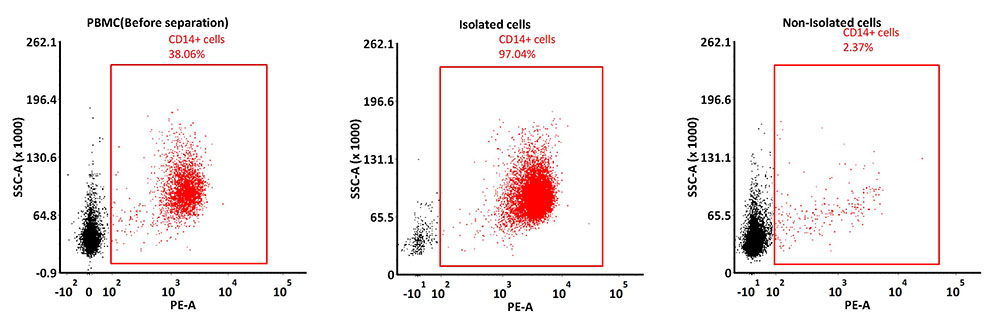
         CD14 TYPICAL DATA

        The purity of CD14+ cells isolated by Cellectra human CD14 nBeads, premium grade (for cells) (Cat. No. MBS-S001).
        The CD14+ cells were isolated from human PBMCs using Cellectra human CD14 nBeads, premium grade (for cells) (Cat. No. MBS-S001). The isolated cells and non-isolated cells were respectively stained using PE anti-human CD14 antibody, and then analyzed by FCS Express 7 software.

    风险提示:丁香通仅作为第三方平台,为商家信息发布提供平台空间。用户咨询产品时请注意保护个人信息及财产安全,合理判断,谨慎选购商品,商家和用户对交易行为负责。对于医疗器械类产品,请先查证核实企业经营资质和医疗器械产品注册证情况。

    图标文献和实验
    该产品被引用文献
    Anti-SSB antibodies promotes interleukin-6 production in monocytes through a toll-like receptor4-dependent way in systemic lupus erythematosus
    Lu, You, Hu et al
    Clin Exp Rheumatol (2025)
    Abstract: The interaction of autoantibodies with solid tissues has been extensively studied in systemic lupus erythematosus (SLE), but their interaction with peripheral blood mononuclear cells (PBMCs) remains poorly understood. This study aimed to investigate the effects of autoantibodies on PBMCs in SLE.We enrolled 31 SLE patients and 35 healthy controls. Serum antibodies recognising PBMC antigens were assessed by immunoblotting using membrane and cytoplasmic proteins isolated from PBMCs. PBMC antigens were identified by mass spectrometry. The effects of autoantibodies on PBMCs were evaluated using flow cytometry, quantitative real-time PCR (qPCR), and enzyme-linked immunosorbent assay (ELISA).Antibodies targeting a 55-kDa autoantigen were detected in 48.8% of SLE patients. Mass spectrometry identified SSB (La) protein as one of the potential antigens recognised by these autoantibodies, consistent with the strong association between anti-SSB antibodies and anti-55-kDa antibodies in clinical data. Anti-SSB antibodies exhibited significantly higher binding affinity to PBMCs compared to isotype IgG (23.0% vs. 10.6%, p<0.0001). Furthermore, anti-SSB antibodies promoted the mRNA expression of TNF-α, IL-1β, IL-4, and IL-6 in PBMCs, with IL-6 showing a more than 100-fold increase (p<0.001). The expression of IL-6 was suppressed by resatorvid, a TLR4 inhibitor. CD14-positive monocytes were identified as the primary source of IL-6 in PBMCs stimulated by anti-SSB antibodies.Our findings demonstrate that anti-SSB antibodies promote cytokine production, particularly IL-6, in monocytes through a TLR4-dependent mechanism.
    From phlebotomy to peripheral blood mononuclear cell isolation; effect of time and early-life HIV/ART exposure on cell yield and viability in paediatric samples in a high HIV prevalence setting
    Mataramvura, Ncube, Duri
    J Immunol Methods (2025)
    Abstract: Viral infection/exposure and time from phlebotomy to peripheral blood mononuclear cell (PBMC) isolation (TPP) may affect PBMC yield and viability. We investigated the impact of TPP and early-life HIV/ART exposure on PBMC, including NK cells yield and viability.Blood in EDTA tubes with varying TPP was used to isolate PBMCs via density-gradient centrifugation, counted under a microscope, and assessed for viability with Trypan-Blue. Antibody staining (CD14, CD3, and CD19) excluded monocytes and T/B lymphocytes, while CD16 and CD56 staining with a LIVE/DEAD marker identified viable NK cells. Comparisons were made among HIV-exposed uninfected (HEU) children (long-term [HEULT] and medium-term [HEUMT] ART exposure), HIV-exposed infected (HEI), and HIV-unexposed uninfected (HUU) children.We enrolled 112 children (50 % female) with a median age of 5.1 years [interquartile range (IQR):4.8-6.0], categorized as 37-HUU, 36-HEULT, 34-HEUMT, and 5-HEI children. Median blood volume was 7.5 ml (IQR:7.5-8.0), with HEI children showing slightly higher PBMC yields/ml than HUU and HEU (p = 0.092). Median TPP was 90 min (IQR:64.8-112.0), with viability remaining high (>95 %) up to 3 h, after this the yields/ml decreased compared to TPP ≤ 1 h (1.3 vs. 2.8 × 106 cells/ml) (p = 0.010) for all children. Overall, TPP negatively correlated with yields/ml and viability (r = -0.35, p < 0.001; r = -0.47, p < 0.001 respectively). Median frequency of viable CD56 + CD16+/- NK cells was 8.2 %, unaffected by neither TPP nor HIV/ART exposure. Total lymphocytes were lower in males [18.6 % (IQR:11.3-22.2)] than in females [23.8 % (IQR:14.3-29.9)] (p = 0.018).HIV infection, not exposure, may increase PBMC yields. TPP under 3 h is ideal for optimal yields.Copyright © 2025. Published by Elsevier B.V.
    Optimization of Cytometry by Time-of-Flight Staining for Peripheral Blood and Bone Marrow Samples
    Susuki, Shinohara, Murayama et al
    Tissue Eng Part C Methods (2025) 31 (7), 261-270
    Abstract: Cytometry by time-of-flight (CyTOF) enables comprehensive immune profiling for translational research. However, challenges such as signal variability, nonspecific binding, and antibody incompatibility can compromise data quality. This study presents an optimized CyTOF staining protocol for human peripheral blood mononuclear cells and bone marrow aspiration concentrate samples, addressing these challenges by refining antibody conjugation with polymer X8, saponin use, and fixation protocols. Preliminary data indicate improved staining for key markers (CD14, CD16, and CD19), enhancing signal consistency and clarity. These findings advance the utility of CyTOF in orthopaedic research and immune profiling for diseases such as osteonecrosis of the femoral head.
    Rare Occurrence of an Acute Myeloid Leukemia in a Cynomolgus Macaque (Macaca fascicularis)
    Priest, Schwartz, Wilcox et al
    Toxicol Pathol (2025)
    Abstract: This report presents the findings of a spontaneous case of acute myeloid leukemia (AML) in a 6-year-old male cynomolgus macaque enrolled in
    相关实验
    • 直接从临床血液样本精准分选细胞

      血液制品由于包含大量红细胞,给白细胞亚群的分离带来了不小的障碍。常见的实验方法均需要从血液样品中分离 PBMC (外周血单个核细胞)后,进一步获取目的白细胞类群。不仅时间成本巨大,且效率、纯度、得率及细胞活力等核心指标,均对下游研究带来不同影响。下图概述了 PBMC 中各种白细胞的比例。 美天旎StraightFrom®全血磁珠系列基于细胞磁性分选金标准的 MACS 技术, 具备常规 MACS 分选磁珠所有优势的同时,更支持以全血及各种血液制品作为初始样品,快速精准高效分离目的细胞,为临床

    图标技术资料

    暂无技术资料 索取技术资料

    同类产品报价

    产品名称
    产品价格
    公司名称
    报价日期
    ¥1350
    武汉益普生物科技有限公司
    2025年07月11日询价
    ¥8
    上海雅吉生物科技有限公司
    2025年07月16日询价
    询价
    上海晶抗生物工程有限公司
    2025年07月08日询价
    ¥634
    上海泽叶生物科技有限公司
    2025年07月16日询价
    ¥1800
    北京百奥莱博科技有限公司
    2025年11月21日询价
    文献支持
    Cellectra CD14纳米分选磁珠
    ¥3980