

- ¥23008
- Merck
- SCC254
- 2026年05月29日

企业认证
相关产品推荐更多 >
万千商家帮你免费找货
0 人在求购买到急需产品
- 详细信息
- 文献和实验
- 技术资料
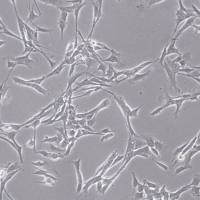
细胞名称:AY-27 Rat Bladder Tumor Cell Line
货号:SCC254
种属:rat
细胞系描述:Cancer Cells
应用:This product is intended for sale and sold solely to academic institutions for internal academic research use per the terms of the “Academic Use Agreement” as detailed in the product documentation.
质量:
1.Each vial contains >=1X10⁶ viable cells.
2.Cells are tested negative for infectious diseases by a Mouse/Rat Comprehensive CLEAR panel by Charles River Animal Diagnostic Services.
3.Cells are verified to be of rat origin and negative for inter-species contamination from mouse, chinese hamster, Golden Syrian hamster, human and non-human primate (NHP) as assessed by a Contamination CLEAR panel by Charles River Animal Diagnostic Services.
4.Cells are negative for mycoplasma contamination.
储存及稳定性:Store in liquid nitrogen. The cells can be cultured for at least 10 passages after initial thawing without significantly affecting the cell marker expression and functionality.
风险提示:丁香通仅作为第三方平台,为商家信息发布提供平台空间。用户咨询产品时请注意保护个人信息及财产安全,合理判断,谨慎选购商品,商家和用户对交易行为负责。对于医疗器械类产品,请先查证核实企业经营资质和医疗器械产品注册证情况。
 文献和实验
文献和实验Treatment of Rat Bladder Cancer With Electrochemotherapy In Vivo
by administrating the drugs in combination with short intense electric pulses (1 ). Cell electropermeability allows nonpermeant or weakly permeant drugs to enter the cells. Electrochemotherapy is effective because electric pulses permeate any type of tumor cell
Functional Analysis of Natural Killer Cell Receptors in the RNK-16 Rat Leukemic Cell Line
, leading to ambiguities in functional characterizations of their antigens. To study members of the various NK cell receptor families, we have developed an NK cell transfection system using the NK leukemic cell line RNK-16.
Evaluation of Alterations in the Tumor Suppressor Genes INK4A and INK4B in Human Bladder Tumors
4A is altered in many cell lines and primary tumors (23 –26 ). Furthermore, germ line mutations of the INK4A gene are found on patients with familial melanoma and pancreatic adenocarcinoma (27 –28 ); and targeted deletion of the INK4A in murine models


