
- ¥1290 - 3960
- 帛科
- BK-DB6147
- 国产
- 2025年07月12日

企业认证
相关产品推荐更多 >



万千商家帮你免费找货
0 人在求购买到急需产品
- 详细信息
- 文献和实验
- 技术资料
- 库存:
51
- 英文名:
Recombinant Human TIM3 protein
- 保质期:
12个月
- 供应商:
上海帛科
- 保存条件:
-20 to -80 °C
- 规格:
50μg、100ug 、1mg
| 货号 | BK-DB6147 | 用途 | 仅供科研研究实验 |
| 纯度 | >90% as determined by SDS-PAGE | 预测分子量 | 20.95 kDa |
| 表达宿主 | E.coli | 种属 | Homo sapiens (Human) |
蛋白构建: A DNA sequence encoding the human TIM3 (Ser22-Arg200) was fused with His tag
制剂: Supplied as solution form in PBS pH 7.5 or lyophilized from PBS pH 7.5.
运输方式: In general, proteins are provided as lyophilized powder/frozen liquid. They are shipped out with dry ice/blue ice unless customers require otherwise.
稳定性&储存: Use a manual defrost freezer and avoid repeated freeze thaw cycles.Store at 2 to 8 °C for one week .Store at -20 to -80 °C for twelve months from the date of receipt.
复溶: Reconstitute in sterile water for a stock solution.A copy of datasheet will be provided with the products, please refer to it for details.
分子别名: Hepatitis A virus cellular receptor 2,HAVcr-2,T-cell immunoglobulin and mucin domain-containing protein 3,TIMD-3,T-cell immunoglobulin mucin receptor 3,TIM-3,T-cell membrane protein 3,CD366.
背景介绍: Hepatitis A virus cellular receptor 2 (HAVCR2), formerly known as T cell immunoglobulin and mucin domain-3 (TIM-3), is a transmembrane glycoprotein expressed on the surface of terminally differentiated Th1 cells but not on Th2 cells. It was the first surface molecule that specifically identifies Th1 cells in both mice and human. Recently, identification of Galectin-9 as a ligand for TIM-3 has established the TIM-3-Galectin-9 pathway as an important regulator of Th1 immunity and tolerance induction. Engagement of Tim-3 by its ligand galectin-9 negatively regulates IFN-gamma secretion and influences the ability to induce T cell tolerance in both mice and man. It suggests a novel paradigm in which dysregulation of the TIM-3-galectin-9 pathway could underlie chronic autoimmune disease states, such as multiple sclerosis. Recent work has explored the role of TIM-3 in systemic lupus erythematosus (SLE), and their results indicate that TIM-3 may represent a novel target for the treatment of SLE. Numerous studies have demonstrated that Tim-3 influences autoimmune diseases, including diabetes and multiple sclerosis, and its role in other inflammatory diseases including allergies and cancer is beginning to become clear. In tumor rejection model, soluble form of Tim-3 (sTim-3) significantly impaired T cell antitumor immunity, evidenced by decreased antitumor CTL activity and reduced amount of tumor-infiltrating lymphocytes in tumor. sTim-3 as an immunoregulatory molecule that may be involved in the negative regulation of T cell-mediated immune response.
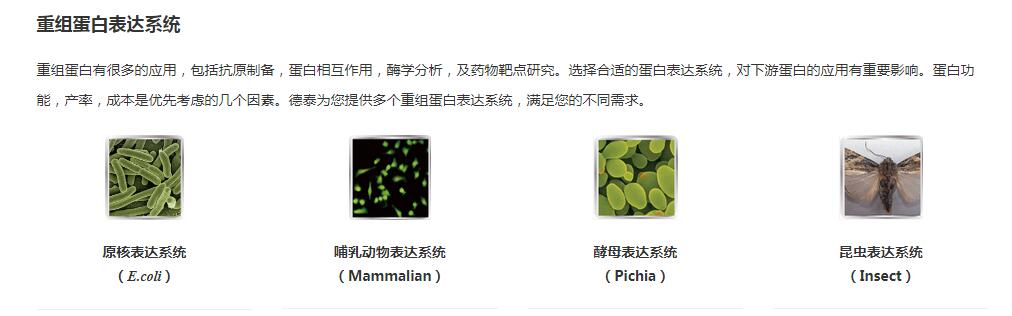
表达载体在基因工程有以下几种元件:
(1)选择标志的编码序列;
(2)可控转录的启动子;
(3)转录调控序列(转录终止子,核糖体结合位点);
(4)一个多限制酶切位点接头;
(5)宿主体内自主复制的序列。
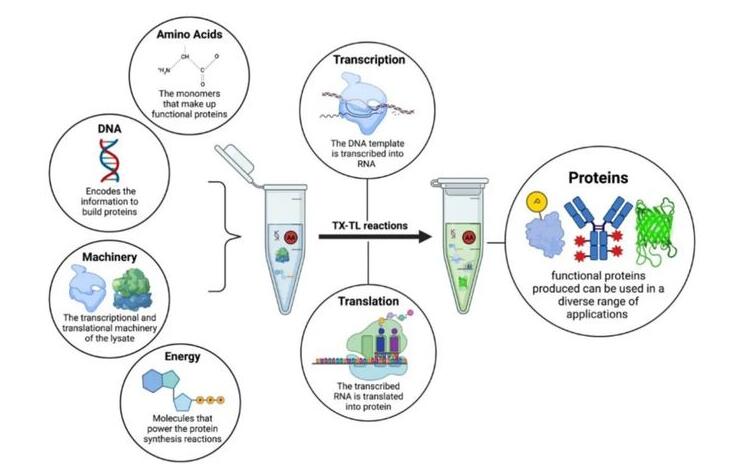
重组蛋白质的诱导表达:
1. 挑取转化有质粒的单菌落, 接种于 3ml 选择性 LB 液体培养基中, 37 oC,250 rpm/min 振摇培养过夜。
2. 次日将培养过夜的菌液 500 μl 再接种于 10ml(1:20)选择性 LB 液体培养基 中, 37 oC,250 rpm/min 振摇培养至光密度(OD600=0.6)时,取 1 ml 样本作 为诱导前标本, 10000g 离心 1min 收集菌体沉淀,-20 oC 冻存备用。
3. 加入 1 mol/L IPTG 于菌液中,使 IPTG 终浓度为 1 mM ,37 oC ,250 rpm/min 振摇培养 4 ~ 5 小时。取 1 ml 样本作为诱导后标本,同上法收集菌体沉淀, -20 oC 冻存备用。
4. 将诱导前后菌体沉淀用 20 ~ 40 μl PBS(pH= 8.0)重悬, 加入等体积的 2×SDS 上样缓冲液, 煮沸加热 5min,SDS 聚凝胶(SDS-PAGE)电泳分离 , 考马斯亮蓝染色 3 小时后,脱色观察结果。
5. 选取诱导成功的细菌克隆,扩大诱导规模,收集菌体沉淀,于- 20 oC 保存,准备做下一步分析及纯化。
公司出售的相关产品:
| 活化转录因子7相互作用蛋白2封闭多肽 | 相关死亡促进因子Bad抗体 |
| 周期素B1封闭多肽 | LSS Antibody Blocking Peptide |
| 线粒体核糖体蛋白L48封闭多肽 | KLHL15 Antibody Blocking Peptide |
| 线粒体核糖体蛋白7封闭多肽 | Recombinant human IL-28A protein (Active, HEK293) |
| 跨膜蛋白29封闭多肽 | SENP3 Antibody Blocking Peptide |
| 核蛋白相互作用蛋白2封闭多肽 | Bub1 Antibody Blocking Peptide |
| 干扰素α4封闭多肽 | MAK16/RBM13 Antibody Blocking Peptide |
| HCB蛋白封闭多肽 | LETM2 Antibody Blocking Peptide |
| RNA(鸟嘌呤9)甲基转移酶结构域蛋白3封闭多肽 | KLHL28 Antibody Blocking Peptide |
| 表皮生长因子样蛋白1/Flamngo homolog 1封闭多肽 | Jak3 Antibody Blocking Peptide |
| 脑啡肽酶γ封闭多肽 | phospho- PIK3CG (Thr1024) Antibody Blocking Peptide |
| 原纤维蛋白2封闭多肽 | MCM6 Antibody Blocking Peptide |
| FAM113A蛋白封闭多肽 | Recombinant Human TIM3 proteinFGF10 Antibody Blocking Peptide |
| phospho-p38 MAPK (Thr180 + Tyr182) Peptide | |
| 12号染色体开放阅读框68封闭多肽 | FHL1 Antibody Blocking Peptide |
1. 将按上法诱导培养后收集的菌体重悬于裂解液 1 (Lysis buffer under native conditions )中,然后在-80 oC 低温冰箱中放置 10 min。
2. 冰中解冻。
3. 在冰浴上用超声破碎仪破菌 6 次, 每次 10 sec,间歇 10 sec,电压 200-300 V。
4. 10000g,4oC,离心 20min,取上清(为溶液 A), - 20 oC 保存; 另将沉淀用 同样裂解液 1 溶解(为溶液 B),同样 -20 oC 保存,供后继分析使用。
5. 将上述 A、B 溶液和诱导前后的细菌进行 SDS-PAGE 电泳, 考马斯亮蓝染色, 比较分析重组蛋白质的溶解性。如果诱导表达的蛋白质位于 A 溶液中, 则为可溶性蛋白;如果是在 B 溶液中,则为非可溶蛋白。
重组蛋白质的分离纯化:
1. 将菌体沉淀溶于适量裂解液 2(Lysis buffer under denaturing conditions )中,室温下搅拌和吹打沉淀,避免泡沫生成。
2. 10000g ,4 oC,离心 30 min,收集上清液。
3. 将 Ni-NTAAgarose 充填柱子,并连接于 Pharmarcia 低压液相层析系统,用 5 倍柱体积的裂解液 2 平衡 Ni-NTAAgarose,调节 A280 值至零线。
4. 将适量上清液上样到 Ni-NTAAgarose 柱子中, 并用 lysis buffer 冲洗至 A280 值低于 0.01。
5. 分别用 5 ~ 10 倍柱体积的清洗液 1 和清洗液 2(Washbuffer 1 and 2)清洗柱 子,直至 A280 值低于 0.01。
6. 用洗脱液(Elution buffer)洗脱重组蛋白质, 在 A280 值监测下,收集出现峰 线后含有重组蛋白的所有洗脱液。
风险提示:丁香通仅作为第三方平台,为商家信息发布提供平台空间。用户咨询产品时请注意保护个人信息及财产安全,合理判断,谨慎选购商品,商家和用户对交易行为负责。对于医疗器械类产品,请先查证核实企业经营资质和医疗器械产品注册证情况。
 文献和实验
文献和实验Methods for Producing Recombinant Human Cellular Retinaldehyde-Binding Protein
The cellular retinaldehyde-binding protein (CRALBP) is expressed at high levels in vertebrate visual trssue, where it may serve to modulate the interaction of 11-cis -retinol with visual-cycle enzymes in the retinal pigment epithelium (RPE
Recombinant Protein Production in Yeasts
Recombinant protein production is a multibillion-dollar market. The development of a new product begins with the choice of a production host. While one single perfect host for every protein does not exist, several expression systems ranging
Recombinant Protein Expression in Nicotiana
Recombinant protein pharmaceuticals are now widely used in treatment of chronic diseases, and several recombinant protein subunit vaccines are approved for human and veterinary use. With growing demand for complex protein pharmaceuticals
 技术资料
技术资料暂无技术资料 索取技术资料