


- ¥1180 - 2800
- Bioss

- bs-25084R
- 2025年10月24日
- 产品信息以Bioss网站为准

企业认证
相关产品推荐更多 >

H2AX Rabbit pAb, FITC conjugated(bs-2560R-FITC)-100ul
¥2980
PCDH19 Rabbit pAb(bs-19911R)-50ul/100ul/200ul
¥1180
phospho-eIF4EBP1 (Thr37 / Thr46) Recombinant Rabbit mAb(bsm-60678R)-50ul/100ul/25ul
¥800JMJD4 Rabbit pAb(bs-17205R)-50ul/100ul/200ul
¥1180E2F5 Rabbit pAb, FITC conjugated(bs-1734R-FITC)-100ul
¥2980
万千商家帮你免费找货
0 人在求购买到急需产品
- 详细信息
- 文献和实验
- 技术资料
- 应用范围:
产品信息以Bioss网站为准
- 规格:
50ul/100ul/200ul
| 规格: | 50ul | 产品价格: | ¥1180.0 |
|---|---|---|---|
| 规格: | 100ul | 产品价格: | ¥1980.0 |
| 规格: | 200ul | 产品价格: | ¥2800.0 |
| 产品编号 | bs-25084R |
| 英文名称 | TGF beta Receptor II Rabbit pAb |
| 中文名称 | 转移生长因子β受体2抗体 |
| 英文别名 | TGF-beta receptor type-2; TGF beta R2; TGFBR2; AAT 3; AAT3; FAA 3; FAA3; HNPCC6; MFS 2; MFS2; RIIC; TAAD 2; TAAD2; TbetaR II; TGF beta receptor type 2; TGF beta receptor type II; TGF beta type II receptor; TGFB R2; TGFbeta RII; TGFBR 2; TGFR 2; TGFR2; Transforming growth factor beta receptor II; Transforming growth factor beta receptor type II. |
| 中文别名 | TGF-βRⅡ; TGFβRⅡ; TGF βRⅡ; TGFβ RⅡ. |
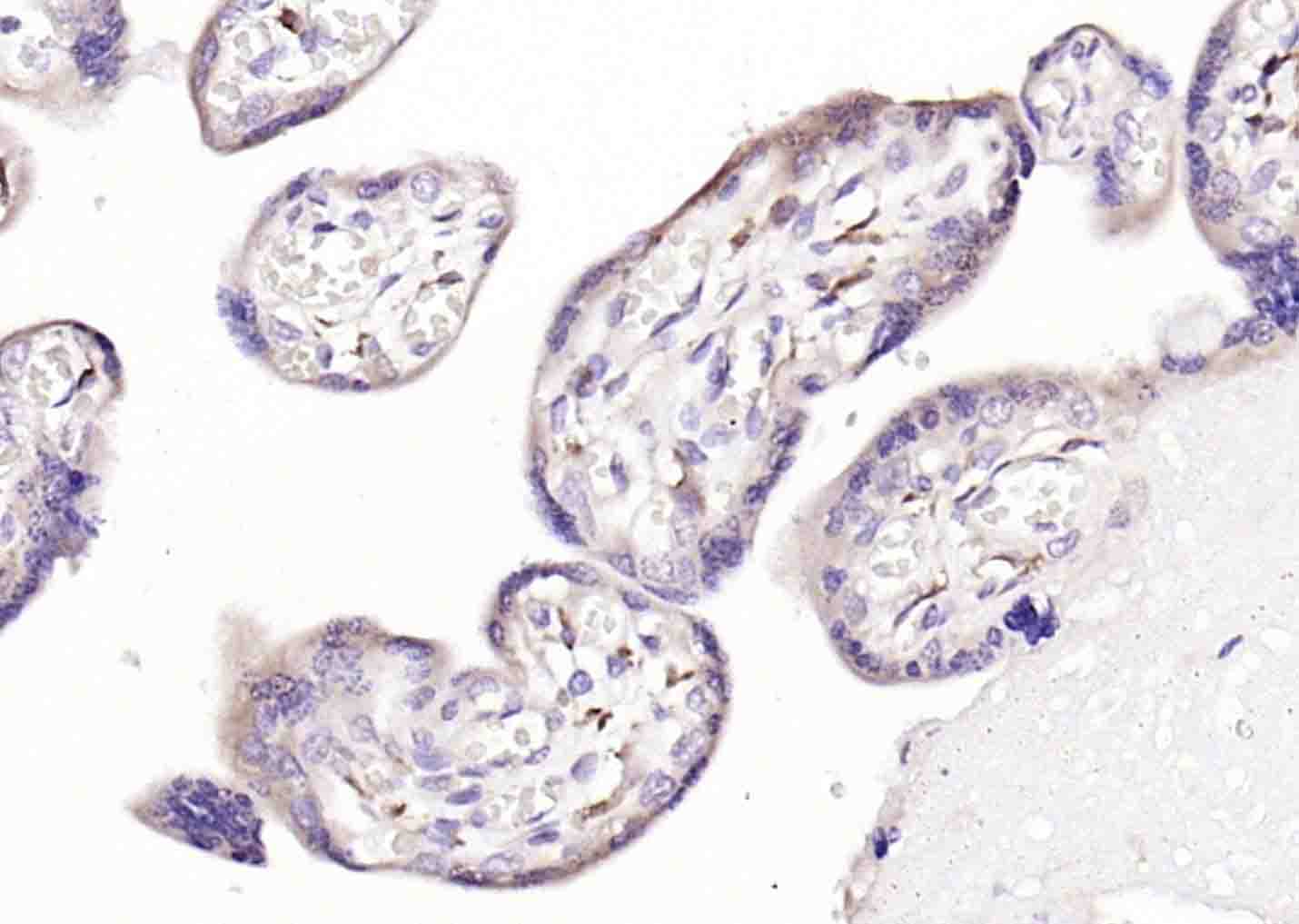
| 产品应用 | IHC-P=1:100-500, IHC-F=1:400-800, IF=1:100-500 Not yet tested in other applications. |
| 交叉反应 | Human, placenta (Mouse, Rat, Dog, Pig, Cow, Horse, Rabbit, Sheep) |
| 抗体来源 | Rabbit |
| 免疫原 | KLH conjugated synthetic peptide derived from human TGF beta Receptor II |
| 亚型 | IgG |
| 性状 | Liquid |
| 纯化方法 | affinity purified by Protein A |
| 克隆类型 | Polyclonal |
| 理论分子量 | 62 kDa |
| 浓度 | 1mg/ml |
| 储存液 | 0.01M TBS (pH7.4) with 1% BSA, 0.02% Proclin300 and 50% Glycerol. |
| 研究领域 | Signal Transduction > Protein Phosphorylation > Ser / Thr Kinases > Other Kinases Signal Transduction > Signaling Pathway > Nuclear Signaling > SMADs Stem Cells > Signaling Pathways > TGF beta > Surface Molecules |
| 亚基 | Homodimer. Heterohexamer; TGFB1, TGFB2 and TGFB3 homodimeric ligands assemble a functional receptor composed of two TGFBR1 and TGFBR2 heterodimers to form a ligand-receptor heterohexamer. The respective affinity of TGFRB1 and TGFRB2 for the ligands may modulate the kinetics of assembly of the receptor and may explain the different biological activities of TGFB1, TGFB2 and TGFB3. Interacts with DAXX. Interacts with TCTEX1D4. Interacts with ZFYVE9; ZFYVE9 recruits SMAD2 and SMAD3 to the TGF-beta receptor. |
| 亚细胞定位 | Cell membrane; Single-pass type I membrane protein. |
| 组织特异性 | Phosphorylated on a Ser/Thr residue in the cytoplasmic domain. |
| 翻译后修饰 | Phosphorylated on a Ser/Thr residue in the cytoplasmic domain. |
| 相似性 | Belongs to the protein kinase superfamily. TKL Ser/Thr protein kinase family. TGFB receptor subfamily. Contains 1 protein kinase domain. |
| 功能 | Transmembrane serine/threonine kinase forming with the TGF-beta type I serine/threonine kinase receptor, TGFBR1, the non-promiscuous receptor for the TGF-beta cytokines TGFB1, TGFB2 and TGFB3. Transduces the TGFB1, TGFB2 and TGFB3 signal from the cell surface to the cytoplasm and is thus regulating a plethora of physiological and pathological processes including cell cycle arrest in epithelial and hematopoietic cells, control of mesenchymal cell proliferation and differentiation, wound healing, extracellular matrix production, immunosuppression and carcinogenesis. The formation of the receptor complex composed of 2 TGFBR1 and 2 TGFBR2 molecules symmetrically bound to the cytokine dimer results in the phosphorylation and the activation of TGFRB1 by the constitutively active TGFBR2. Activated TGFBR1 phosphorylates SMAD2 which dissociates from the receptor and interacts with SMAD4. The SMAD2-SMAD4 complex is subsequently translocated to the nucleus where it modulates the transcription of the TGF-beta-regulated genes. This constitutes the canonical SMAD-dependent TGF-beta signaling cascade. Also involved in non-canonical, SMAD-independent TGF-beta signaling pathways. |
| 保存条件 | Shipped at 4℃. Store at -20℃ for one year. Avoid repeated freeze/thaw cycles. |
| 注意事项 | This product as supplied is intended for research use only, not for use in human, therapeutic or diagnostic applications. |
| 背景资料 | This gene encodes a member of the Ser/Thr protein kinase family and the TGFB receptor subfamily. The encoded protein is a transmembrane protein that has a protein kinase domain, forms a heterodimeric complex with another receptor protein, and binds TGF-beta. This receptor/ligand complex phosphorylates proteins, which then enter the nucleus and regulate the transcription of a subset of genes related to cell proliferation. Mutations in this gene have been associated with Marfan Syndrome, Loeys-Deitz Aortic Aneurysm Syndrome, and the development of various types of tumors. Alternatively spliced transcript variants encoding different isoforms have been characterized. |
| 应用 | 推荐稀释比例 |
| {IHC-P} | {1:100-500} |
| {IHC-F} | {1:400-800} |
| {IF} | {1:100-500} |
风险提示:丁香通仅作为第三方平台,为商家信息发布提供平台空间。用户咨询产品时请注意保护个人信息及财产安全,合理判断,谨慎选购商品,商家和用户对交易行为负责。对于医疗器械类产品,请先查证核实企业经营资质和医疗器械产品注册证情况。
 文献和实验
文献和实验to a heteromeric receptor complex consisting of two subunits, designated type I (TGF-β RI) and type II (TGF-β RII) (reviewed in ref. 6 ). Molecular cloning and functional analyses have demonstrated that TGF-β RI and TGF-β RII are serine/threonine kinases
, Yoon JK, Song DK, Nam JS, Lee SS. R-spondin (Rspo)s proteins are a new group of Wnt/beta-catenin signaling agonists. These signaling molecules are known to be involved in the developmental stages of skeletal system. Recent studies in various murine
PriCells: Introduction of Isolation and Culture of Human Alveolar Epithelial Cells
for most in vitro studies of alveolar epithelial function (e.g., transport and various metabolic pathways). The primary culture of human alveolar epithelial cells involves isolation, purification, and culture of alveolar epithelial type II (ATII) cells from human
 技术资料
技术资料暂无技术资料 索取技术资料
