


- ¥780 - 1780
- Sino Biological

- 北京
- 50482-MNCH
- 2026年01月26日

相关产品推荐更多 >



万千商家帮你免费找货
0 人在求购买到急需产品
- 详细信息
- 文献和实验
- 技术资料
- 保存条件:
-20℃ to -80℃
- 保质期:
12个月
- 英文名:
Recombinant Mouse EGF / Epidermal Growth Factor Protein
- 库存:
99
- 供应商:
北京义翘神州科技股份有限公司
- 规格:
1.00 mg/100.00 µg/500.00 µg
| 规格: | 1.00 mg | 产品价格: | ¥1780.0 |
|---|---|---|---|
| 规格: | 100.00 µg | 产品价格: | ¥780.0 |
| 规格: | 500.00 µg | 产品价格: | ¥1080.0 |
内毒素< 1.0 EU per μg of the protein as determined by the LAL method
生物活性1.Measured in a cell proliferation assay using Balb/3T3 mouse embryonic fibroblast cells. The ED50 for this effect is typically 0.1-0.6 ng/mL.
2.Human intestinal cancer organoids were cultured with RSPO1(Cat#11083-HNAS), EGF(Cat#50482-MNCH), NOG(Cat#50688-M02H). (Routinely tested). Data provided by D1 Medical Technology.
3.Human colorectum organoids were cultured with RSPO1(Cat#11083-HNAS), EGF(Cat#50482-MNCH), NOG(Cat#50688-M02H). (Routinely tested). Data provided by D1 Medical Technology.
4.Human lung cancer organoids were cultured with FGF2(Cat#10014-HNAE), FGF4(Cat#16043-HNAE), FGF7(Cat#10210-H07E), EGF(Cat#50482-MNCH), FGF10(Cat#10573-HNAE), NOG(Cat#50688-M02H), RSPO1(Cat#11083-HNAS). (Routinely tested). Data provided by D1 Medical Technology.
5.Human lung organoids were cultured with FGF2(Cat#10014-HNAE), FGF4(Cat#16043-HNAE), FGF7(Cat#10210-H07E), EGF(Cat#50482-MNCH), FGF10(Cat#10573-HNAE), NOG(Cat#50688-M02H), RSPO1(Cat#11083-HNAS). (Routinely tested). Data provided by D1 Medical Technology.
6.Human cholangiocarcinomas organoids were cultured with FGF2(Cat#10014-HNAE), HGF(Cat#10463-HNAS), FGF7(Cat#10210-H07E), EGF(Cat#50482-MNCH), FGF10(Cat#10573-HNAE), NOG(Cat#50688-M02H), RSPO1(Cat#11083-HNAS). (Routinely tested). Data provided by D1 Medical Technology.
7.Human liver cancer organoids were cultured with FGF2(Cat#10014-HNAE), HGF(Cat#10463-HNAS), FGF7(Cat#10210-H07E), EGF(Cat#50482-MNCH), FGF10(Cat#10573-HNAE), TGFB1(Cat#10804-HNAC), NOG(Cat#50688-M02H), RSPO1(Cat#11083-HNAS). (Routinely tested). Data provided by D1 Medical Technology.
8.Human kidney cancer organoids were cultured with FGF2(Cat#10014-HNAE), FGF7(Cat#10210-H07E), EGF(Cat#50482-MNCH), FGF10(Cat#10573-HNAE), NOG(Cat#50688-M02H), RSPO1(Cat#11083-HNAS). (Routinely tested). Data provided by D1 Medical Technology.
9.Human kidney organoids were cultured with FGF7(Cat#10210-H07E), EGF(Cat#50482-MNCH), FGF10(Cat#10573-HNAE), NOG(Cat#50688-M02H), RSPO1(Cat#11083-HNAS), HGF(Cat#10463-HNAS), FGF4(Cat#16043-HNAE). (Routinely tested). Data provided by D1 Medical Technology.
10.Human gastric cancer organoids were cultured with EGF(Cat#50482-MNCH), FGF10(Cat#10573-HNAE), NOG(Cat#50688-M02H), RSPO1(Cat#11083-HNAS). (Routinely tested). Data provided by D1 Medical Technology.
11.Human stomach organoids organoids were cultured with EGF(Cat#50482-MNCH), FGF10(Cat#10573-HNAE), NOG(Cat#50688-M02H), RSPO1(Cat#11083-HNAS). (Routinely tested). Data provided by D1 Medical Technology.
12.Human breast cancer organoids were cultured with FGF7(Cat#10210-H07E), RSPO1(Cat#11083-HNAS), IGF1(Cat#10598-HNAE), EGF(Cat#50482-MNCH), NRG1 Beta 1(Cat#11609-H01H), NOG(Cat#50688-M02H). (Routinely tested). Data provided by D1 Medical Technology.
13.Human ovarian organoids were cultured with IGF1(Cat#10598-HNAE), NRG1 Beta 1(Cat#11609-H01H), RSPO1(Cat#11083-HNAS), EGF(Cat#50482-MNCH), NOG(Cat#50688-M02H). (Routinely tested). Data provided by D1 Medical Technology.
14.Human small intestinal organoids were cultured with IL22(Cat#13059-HNAE), FGF10(Cat#10573-HNAE), EGF(Cat#50482-MNCH), NOG(Cat#50688-M02H). (Routinely tested). Data provided by D1 Medical Technology.
蛋白构建A DNA sequence encoding the mouse EGF (P01132) (Asn977-Arg1029) was expressed and purified with two additional amino acids (Gly & Pro) at the N-terminus.
Accession#P01132
表达宿主HEK293 Cells
种属Mouse
预测 N 端Gly
分子量The recombinant mouse EGF consists of 55 amino acids and predicts a molecular mass of 6.2 KDa. It migrates as an approximately 14 KDa band in SDS-PAGE under reducing conditions.
缓冲液Lyophilized from sterile PBS, pH 7.4.
Please contact us for any concerns or special requirements.
Normally 5 % - 8 % trehalose, mannitol and 0.01% Tween80 are added as protectants before lyophilization.
Please refer to the specific buffer information in the hardcopy of datasheet.
运输方式In general, recombinant proteins are provided as lyophilized powder which are shipped at ambient temperature.
Bulk packages of recombinant proteins are provided as frozen liquid. They are shipped out with blue ice unless customers require otherwise.
稳定性 & 储存条件Samples are stable for up to twelve months from date of receipt at -20℃ to -80℃. Store it under sterile conditions at -20℃ to -80℃. It is recommended that the protein be aliquoted for optimal storage. Avoid repeated freeze-thaw cycles.
复溶A hardcopy of datasheet with reconstitution instructions is sent along with the products. Please refer to it for detailed information.
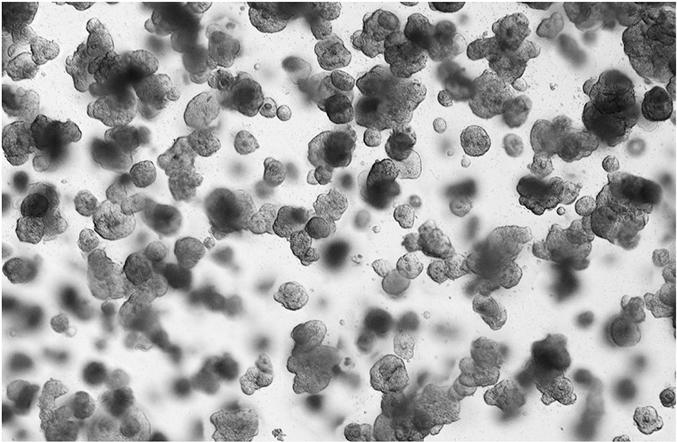
Human intestinal cancer organoids were cultured with RSPO1(Cat#11083-HNAS), EGF(Cat#50482-MNCH), NOG(Cat#50688-M02H). (Routinely tested). Data provided by D1 Medical Technology.

Human colorectum organoids were cultured with RSPO1(Cat#11083-HNAS), EGF(Cat#50482-MNCH), NOG(Cat#50688-M02H). (Routinely tested). Data provided by D1 Medical Technology.
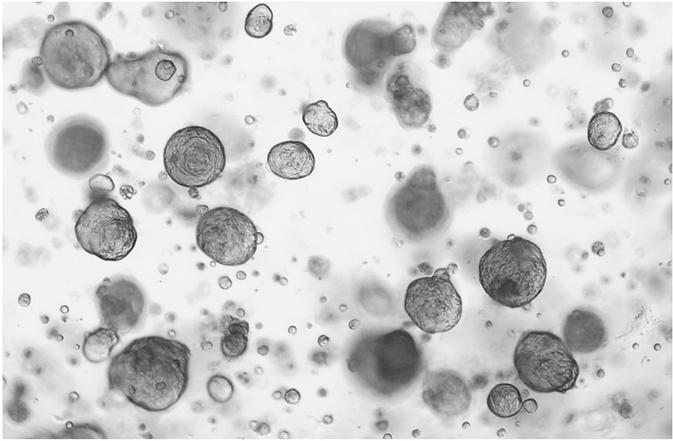
Human lung cancer organoids were cultured with FGF2(Cat#10014-HNAE), FGF4(Cat#16043-HNAE), FGF7(Cat#10210-H07E), EGF(Cat#50482-MNCH), FGF10(Cat#10573-HNAE), NOG(Cat#50688-M02H), RSPO1(Cat#11083-HNAS). (Routinely tested). Data provided by D1 Medical Technology.
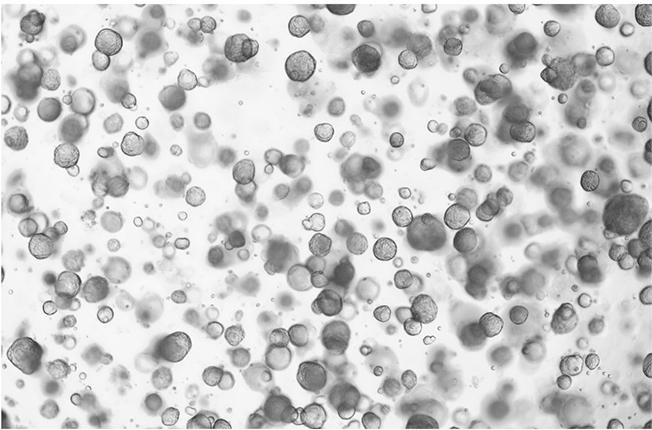
Human lung organoids were cultured with FGF2(Cat#10014-HNAE), FGF4(Cat#16043-HNAE), FGF7(Cat#10210-H07E), EGF(Cat#50482-MNCH), FGF10(Cat#10573-HNAE), NOG(Cat#50688-M02H), RSPO1(Cat#11083-HNAS). (Routinely tested). Data provided by D1 Medical Technology.
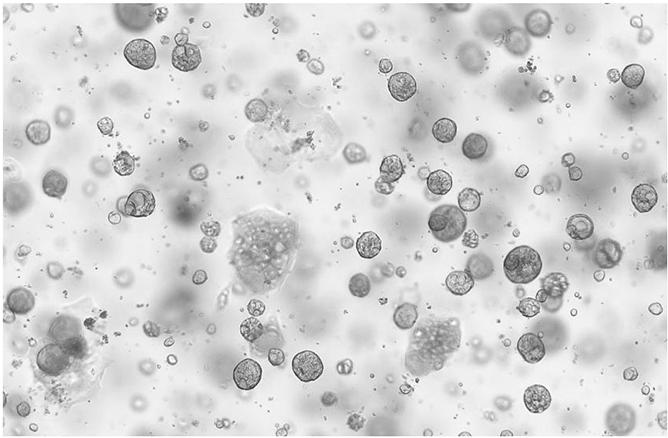
Human liver cancer organoids were cultured with FGF2(Cat#10014-HNAE), HGF(Cat#10463-HNAS), FGF7(Cat#10210-H07E), EGF(Cat#50482-MNCH), FGF10(Cat#10573-HNAE), TGFB1(Cat#10804-HNAC), NOG(Cat#50688-M02H), RSPO1(Cat#11083-HNAS). (Cat#Routinely tested). Data provided by D1 Medical Technology.
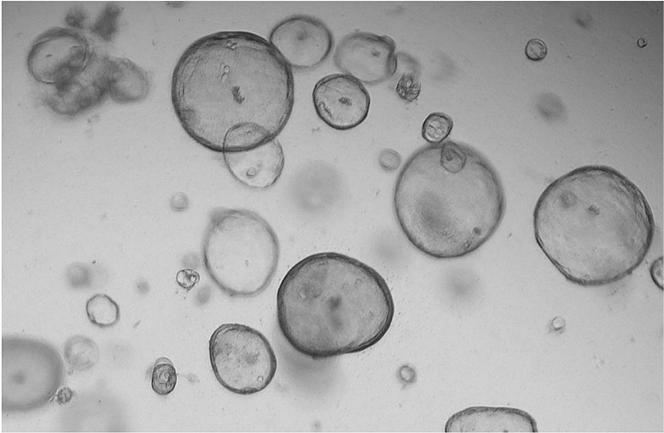
Human cholangiocarcinomas organoids were cultured with FGF2(Cat#10014-HNAE), HGF(Cat#10463-HNAS), FGF7(Cat#10210-H07E), EGF(Cat#50482-MNCH), FGF10(Cat#10573-HNAE), NOG(Cat#50688-M02H), RSPO1(Cat#11083-HNAS). (Routinely tested). Data provided by D1 Medical Technology.

Human kidney cancer organoids were cultured with FGF2(Cat#10014-HNAE), FGF7(Cat#10210-H07E), EGF(Cat#50482-MNCH), FGF10(Cat#10573-HNAE), NOG(Cat#50688-M02H), RSPO1(Cat#11083-HNAS). (Routinely tested). Data provided by D1 Medical Technology.
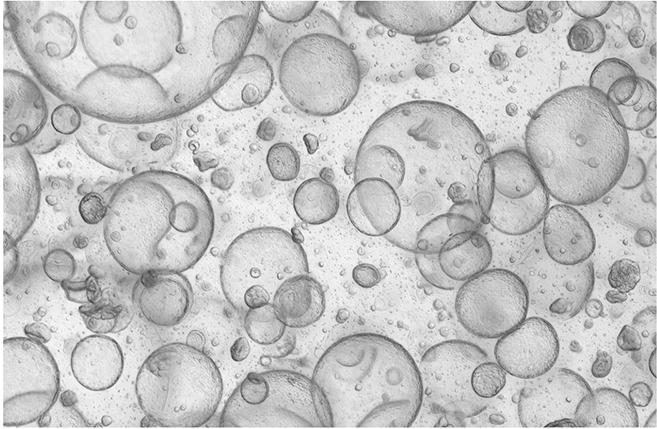
Human kidney organoids were cultured with FGF7(Cat#10210-H07E), EGF(Cat#50482-MNCH), FGF10(Cat#10573-HNAE), NOG(Cat#50688-M02H), RSPO1(Cat#11083-HNAS), HGF(Cat#10463-HNAS), FGF4(Cat#16043-HNAE). (Routinely tested). Data provided by D1 Medical Technology.

Human gastric cancer organoids were cultured with EGF(Cat#50482-MNCH), FGF10(Cat#10573-HNAE), NOG(Cat#50688-M02H), RSPO1(Cat#11083-HNAS). (Routinely tested). Data provided by D1 Medical Technology.

Human stomach organoids organoids were cultured with EGF(Cat#50482-MNCH), FGF10(Cat#10573-HNAE), NOG(Cat#50688-M02H), RSPO1(Cat#11083-HNAS). (Routinely tested). Data provided by D1 Medical Technology.

Human breast cancer organoids were cultured with FGF7(Cat#10210-H07E), RSPO1(Cat#11083-HNAS), IGF1(Cat#10598-HNAE), EGF(Cat#50482-MNCH), NRG1 Beta 1(Cat#11609-H01H), NOG(Cat#50688-M02H). (Routinely tested). Data provided by D1 Medical Technology.
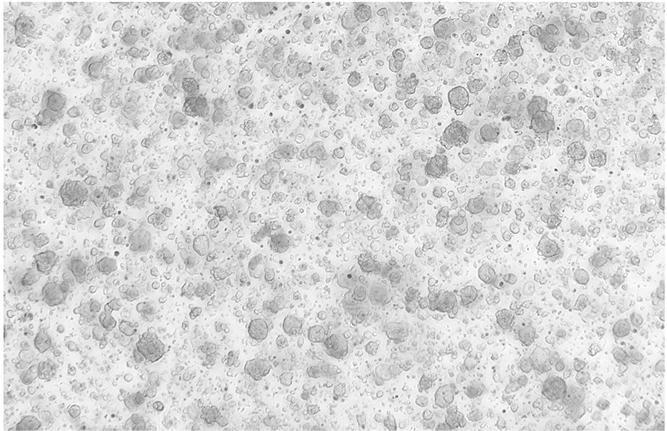
Human ovarian organoids were cultured with IGF1(Cat#10598-HNAE), NRG1 Beta 1(Cat#11609-H01H), RSPO1(Cat#11083-HNAS), EGF(Cat#50482-MNCH), NOG(Cat#50688-M02H). (Routinely tested). Data provided by D1 Medical Technology.
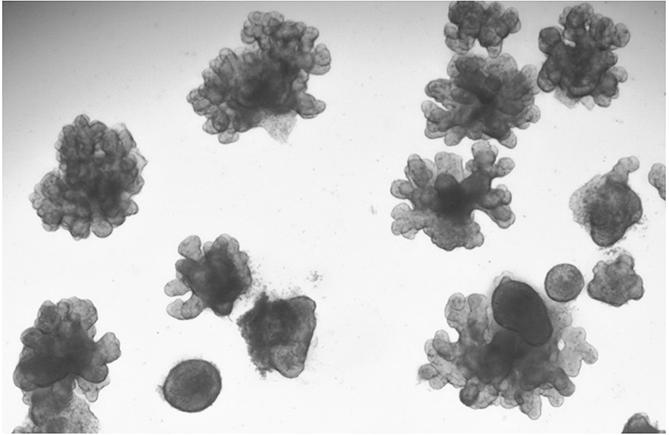
Human small intestinal organoids were cultured with IL22(Cat#13059-HNAE), FGF10(Cat#10573-HNAE), EGF(Cat#50482-MNCH), NOG(Cat#50688-M02H). (Routinely tested). Data provided by D1 Medical Technology.


Measured in a cell proliferation assay using Balb/3T3 mouse embryonic fibroblast cells. The ED50 for this effect is typically 0.1-0.6 ng/mL.
EGF Protein, Mouse, Recombinant: 别称
AI790464 Protein, Mouse
EGF 背景信息
EGF is the founding member of the EGF-family of proteins. Members of this protein family have highly similar structural and functional characteristics. EGF contains 9 EGF-like domains and 9 LDL-receptor class B repeats. Human EGF is a 6045-Da protein with 53 amino acid residues and three intramolecular disulfide bonds. As a low-molecular-weight polypeptide, EGF was first purified from the mouse submandibular gland, but since then it was found in many human tissues including submandibular gland, parotid gland. It can also be found in human platelets, macrophages, urine, saliva, milk, and plasma. EGF is a growth factor that stimulates the growth of various epidermal and epithelial tissues in vivo and in vitro and of some fibroblasts in cell culture. It results in cellular proliferation, differentiation, and survival. Salivary EGF, which seems also regulated by dietary inorganic iodine, also plays an important physiological role in the maintenance of oro-esophageal and gastric tissue integrity. EGF acts by binding with high affinity to epidermal growth factor receptor on the cell surface and stimulating the intrinsic protein-tyrosine kinase activity of the receptor. The tyrosine kinase activity, in turn, initiates a signal transduction cascade that results in a variety of biochemical changes within the cell - a rise in intracellular calcium levels, increased glycolysis and protein synthesis, and increases in the expression of certain genes including the gene for EGFR - that ultimately lead to DNA synthesis and cell proliferation.
全称
epidermal growth factor
风险提示:丁香通仅作为第三方平台,为商家信息发布提供平台空间。用户咨询产品时请注意保护个人信息及财产安全,合理判断,谨慎选购商品,商家和用户对交易行为负责。对于医疗器械类产品,请先查证核实企业经营资质和医疗器械产品注册证情况。
 文献和实验
文献和实验2, Li, Y; et al. Bach2 Deficiency Promotes Intestinal Epithelial Regeneration by Accelerating DNA Repair in Intestinal Stem Cells. Stem cell reports, PMID: 33382975
3, Liu, S; et al. Exosomes derived from bone-marrow mesenchymal stem cells alleviate cognitive decline in AD-like mice by improving BDNF-related neuropathology. Journal of neuroinflammation, PMID: 35130907
4, Hao, M; et al. Patient-Derived Organoid Model in the Prediction of Chemotherapeutic Drug Response in Colorectal Cancer. ACS biomaterials science & engineering, PMID: 35696669
5, Feng, J; et al. Feedback activation of EGFR/wild-type RAS signaling axis limits KRASG12D inhibitor efficacy in KRASG12D-mutated colorectal cancer. Oncogene, PMID: 37020035
6, Wei, T; et al. Protein phosphatase EYA1 regulates the dephosphorylation and turnover of BCL2L12 to promote glioma development. International journal of biological sciences, PMID: 39897043
7, Cheng, X; et al. Characterizing the effects of triclosan and triclocarban on the intestinal epithelial homeostasis using small intestinal organoids. Journal of hazardous materials, PMID: 39244982
人重组人表皮生长因子(rh-EGF)酶联免疫分析(ELISA)
人 重组人表皮生长因子(rh-EGF) 酶联免疫 分析( ELISA ) 试剂 盒使用说明书 本试剂仅供研究使用 目的:本试剂盒用于测定人血清,血浆及相关液体样本中 重组人表皮生长因子(rh-EGF) 的 含量。 实验原理 : 本试剂盒应用双抗体夹心法测定 标本 中 人 重组人表皮生长因子(rh-EGF ) 水平。用纯化的 人 重组人表皮生长因子(rh-EGF ) 抗体包被微孔板,制成固相抗体,往包被单抗的微孔中依次
小鼠重组胰岛素抗体 酶联免疫 分析( ELISA ) 试剂 盒使用说明书 本试剂仅供研究使用 目的:本试剂盒用于测定小鼠血清,血浆及相关液体样本中 重组胰岛素抗体 含量。 实验原理 : 本试剂盒应用双抗 原 夹心法测定 标本 中 小鼠 重组胰岛素抗体 水 平。用纯化的 小鼠 重组胰岛素 抗 原 包被微孔板,制成固相抗 原 ,往包被 抗原 的微孔中依次加入 重组胰岛素抗体 ,再与HRP 标记的 重组胰岛素 抗原结合,形成
家族。当 KRAS 基因发生异常时,下游信号传导失调导致肿瘤发生,KRAS 突变也是中国 NSCLC 的患者第二大常见的基因突变,其中 KRAS G12C 在肺腺癌中最为常见。 目前 NSCLC 的小鼠模型主要集中在腺癌亚型上,大多数的研究采用条件性 KRAS 点突变模型进行,在 KRAS-LSL-G12C 或 KRAS-LSL-G12D 小鼠细胞中引入 Cre 重组酶导致内源性水平上突变等位基因的表达,模拟人类肿瘤发展的启动条件。Jackson 等[2] 就采用了这样的方式构建肿瘤模型,他们在 KRASG12
 技术资料
技术资料暂无技术资料 索取技术资料

