

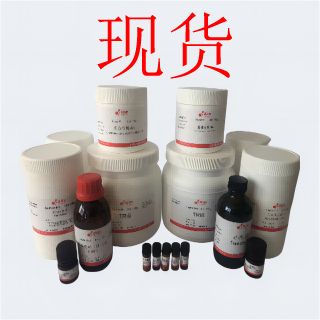
- ¥320
- 康瑞纳
- 进口/国产
- A2717
- 2025年07月15日

企业认证
相关产品推荐更多 >
万千商家帮你免费找货
0 人在求购买到急需产品
- 详细信息
- 询价记录
- 文献和实验
- 技术资料
- 保存条件:
RT/2-8℃/-20℃
- 保质期:
3年
- 英文名:
Poly-L-Lysine多聚-L-赖氨酸(3-7万)
- 库存:
999
- 供应商:
北京康瑞纳生物科技有限公司
- CAS号:
25988-63-0
- 规格:
25mg
多聚-L-赖氨酸(3-7万) 25988-63-0 多聚-L-赖氨酸(3-7万) 25988-63-0
产品名称:多聚-L-赖氨酸(3-7万) 25988-63-0
产品编号:A2717
中文别称 聚-L-赖氨酸(氢溴.酸盐) 多聚赖氨酸
英文别称 Poly-L-lysine hydrobromide mol wt 30,000-70,000
CAS 25988-63-0
分子量 30,000-70,000
储存条件 -20℃
有效期 2年 溶解性 10 mg/mL in water
性状 白色冻干粉末
包装 支
规格 25mg
一般描述
聚赖氨酸(PLL)是一种由赖氨酸衍生的多功能合成聚合物。它是一种带正电的水溶性聚合物,在生物学和生物医学中有应用。PLL的一个突出作用是在细胞培养中,将其应用于培养皿和培养板以增强细胞粘附,特别是对于粘附能力较差的细胞。这对于原代细胞和某些癌症细胞类型至关重要。PLL的正电荷形成一层,吸引细胞表面带负电荷的分子,与标准培养表面相比,促进粘附,同时最大限度地降低细胞毒性。此外,PLL在显微镜和神经科学研究中也很有用。涂层基质使细胞、组织和神经元能够粘附在载玻片和培养皿上,便于进行详细观察和长期研究。PLL消除了对破坏细胞的固定剂的需要,并允许延长细胞和组织培养。除了这些应用之外,PLL还用于免疫化学,将组织粘附到载玻片上进行染色,用于封装和递送药物的药物递送,以及用于将遗传物质运输到靶细胞的基因治疗。总的来说,PLL被认为是生物相容性的,确保了其在各种生物医学应用中的安全性,并使其成为生物化学和生物医学研究的宝贵工具。
应用
多聚-L-赖氨酸聚合物可用于促进细胞与固相基质的粘附、与甲氨蝶呤结合以增加药物转运、胰岛的微囊化、细胞微囊化技术、微阵列载玻片包被和染色体制剂。 低分子量多聚-L-赖氨酸(30000-70000)在溶液中粘度较低,但高分子量多聚-L-赖氨酸的每个分子提供的粘附位点较多。
生化/生理作用
多聚-L-赖氨酸是细胞的非特异性粘附因子,它通过增强细胞膜表面的负电荷离子与培养表面之间的静电相互作用,促进细胞与固相基质的粘附。 当它被吸附到培养表面后,多聚-L-赖氨酸可增加用于细胞结合的正电荷结合位点数量。 对于能够消化多聚-L-赖氨酸的细胞,应使用多聚-D-赖氨酸作为粘附因子。
特点和优势
适用于细胞培养和生化研究
适用于多种研究应用的高品质化合物
组分
聚-L-赖氨酸是一种带正电荷的氨基酸聚合物,每个赖氨酸残基约有一个HBr氢溴.酸盐可使聚-L-赖氨酸呈可溶于水的结晶形式。 在β结构中可能会发现少量的产物,因为HBr干扰氨基与羧基或含N或O部分之间的氢键。
注意
无菌溶液可在2-8℃条件下稳定保存2.年。脱水保存在-20°C条件下。
分析说明
分子量与粘度相关,并且经过购物中心测定。
General description
Polylysine (PLL) is a multifunctional synthetic polymer derived from lysine. It is a positively charged water-soluble polymer with applications in biology and biomedical fields. A prominent role of PLL is its application in cell culture to dishes and plates to enhance cell adhesion, especially for cells with poor adhesion ability. This is crucial for primary cells and certain types of cancer cells. The positive charge of PLL forms a layer that attracts negatively charged molecules on the cell surface, promoting adhesion compared to standard culture surfaces while minimizing cell toxicity. In addition, PLL is also useful in microscopy and neuroscience research. The coating matrix enables cells, tissues, and neurons to adhere to glass slides and culture dishes, facilitating detailed ob.servation and long-term research. PLL eliminates the need for fixatives that destroy cells and allows for prolonged cell and tissue culture. In addition to these applications, PLL is also used in immunochemistry, staining tissues onto slides, drug delivery for encapsulation and delivery of drugs, and gene therapy for transporting genetic material to target cells. Overall, PLL is considered biocompatible, ensuring its safety in various biomedical applications and making it a valuable tool for biochemical and biomedical research.
application
Poly L-lysine polymers can be used to promote cell adhesion to solid matrix, bind to methotrexate to increase drug transport, microencapsulation of pancreatic islets, cell microencapsulation technology, microarray slide coating, and chromosomal preparations. Low molecular weight poly L-lysine (30000-70000) has lower viscosity in solution, but each molecule of high molecular weight poly L-lysine provides more adhesive sites.
Biochemical/physiological effects
Poly L-lysine is a non-specific adhesion factor of cells, which promotes the adhesion of cells to the solid matrix by enhancing the electrostatic interaction between negatively charged ions on the cell membrane surface and the culture surface. When it is adsorbed onto the culture surface, poly L-lysine can increase the number of positively charged binding sites used for cell binding. For cells capable of digesting poly L-lysine, poly D-lysine should be used as an adhesion factor.
Features and advantages
Suitable for cell culture and biochemical research
High quality compounds suitable for various research applications
Composition
Poly L-lysine is a positively charged amino acid polymer, with approximately one HBr hydrobromide per lysine residue. Acid salts can make poly L-lysine soluble in water as a crystalline form. stay β A small amount of products may be found in the structure, as HBr interferes with hydrogen bonding between amino and carboxyl groups or N or O containing parts.
take care
Sterile solutions can be stably stored at 2-8 ℃ for 2 years. Dehydrate and store at -20 ° C.
Analysis explanation
Molecular weight is related to viscosity and has been determined by shopping centers.
★订购流程
定购方式:
1、确认产品后可直接和我们在线联系确认您购买的产品。
2、可以把您需要购买的产品确认好以邮件的形式发给我们,这样您会在24小时内收到我们给您回复确认的邮件,或者是电话。
邮寄产品:
现货,一般当天定购,24小时内由仓库统一出货
定制期货,出货前由专人通知,仓库备货,依其产品性能,路途等选择进行包装邮寄客户如有特别要求,可与销售人员提前沟通
质量保证与免责声明:
1、我们保证向用户提供完全合格的产品。如您认为产品确实存在质量问题,请在收到产品7天内提出,否则将不予受理或赔偿。同时产品赔偿只限于产品价值本身,不涉及其他任何损失。我们承诺随时为您提供专业的技术指导。
2、如发现产品有任何缺漏或破损,请在收到产品后2个工作日内通知我们


更多产品请详询客服
风险提示:丁香通仅作为第三方平台,为商家信息发布提供平台空间。用户咨询产品时请注意保护个人信息及财产安全,合理判断,谨慎选购商品,商家和用户对交易行为负责。对于医疗器械类产品,请先查证核实企业经营资质和医疗器械产品注册证情况。
- 作者
- 内容
- 询问日期
 文献和实验
文献和实验Ren L, Liu J, Liu C, Yang T, Wu X, Zhang X, Yang L, Xia J, Li W. AIn Vitro Cell(RAW264.7 cells;100 ng/mL LPS,24 h at 37 °C) RAW264.7 cells were seeded in confocal dishes at a density of 1 × 10⁵ cells per dish. After the culture of 24 h, cells were treated with 100 ng/mL LPS in different media, including a control medium, PACDFe extract, and PACDFe hydrogel extract supplemented with 1 μM LL-37 for another 24 h at 1358 °C. 更多文献信息请详询客服
多聚赖氨酸(Poly-L-Lysine)的配制、保存、使用总结
用多聚赖氨酸涂片培养细胞,不知道多聚赖氨酸涂过的玻片如何灭菌?能否干烤灭菌?答:Sigma的产品说明书上写的很明白的。另外,有本书上是这么写的,供参考:Poly-lysine-coated tissue culture surfacesTo coat coverslips: Prepare a stock solution by dissolving 25 mg/ml polylysine in 4.73 ml water (both poly-L-lysine and poly-D-lysine
多聚赖氨酸溶液(Poly-L-Lysine Solution) Cat.No.: SGP8920 Size: 10ml Conc.: 0.1% w/v, in water Storage: 18-26℃ Thimerosal, 0.01%, added as preservative 多聚赖氨酸溶液是广泛应用的组织切片与玻片黏合剂,该多聚阳离子分子与组织切片上的阴离子相互作用会产生较强的黏合力。 适用组织学,免疫组织化学,冰冻切片,细胞
变性者,建议用滤器(0.22),多聚赖氨酸为氨基酸类,建议用滤器,如果要求程度高,可以两个滤器过滤两次。 七、资料:多聚赖氨酸溶液(Poly-L-Lysine Solution)Conc.: 0.1% w/v, in water Storage: 18-26℃Thimerosal, 0.01%, added as preservative 多聚赖氨酸溶液是广泛应用的组织切片与玻片黏合剂,该多聚阳离子分子与组织切片上的阴离子相互作用会产生较强的黏合力。 适用组织


