

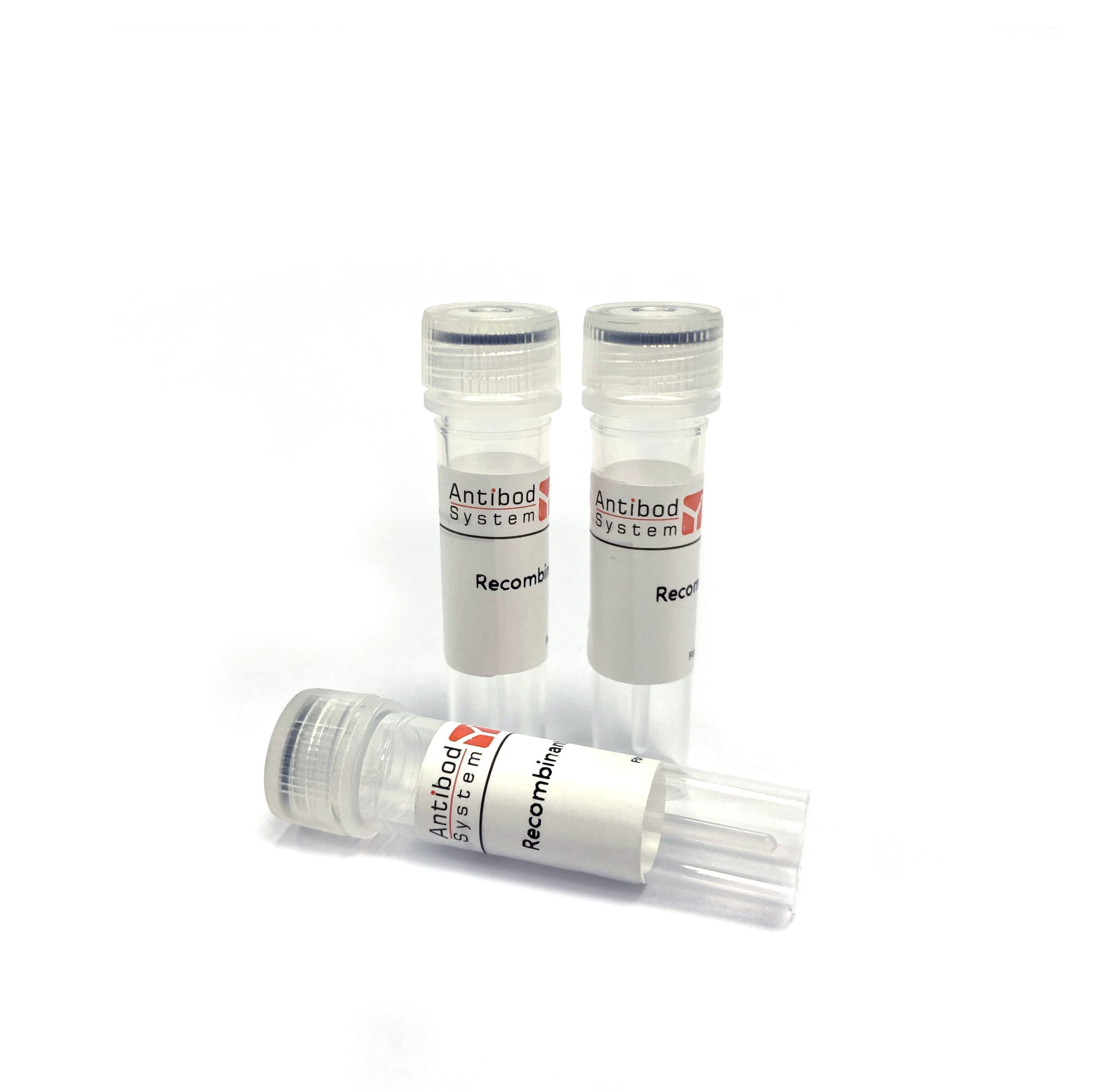
- ¥1350 - 2300
- AntibodySystem
- France
- FMA26610
- 2025年07月10日
- FCM, IF, IHC, IP
- Mouse
- Human, Mouse, Bovine

企业认证
相关产品推荐更多 >


万千商家帮你免费找货
0 人在求购买到急需产品
- 详细信息
- 文献和实验
- 技术资料
- 亚型:
IgG1, kappa
- 形态:
Liquid
- 保存条件:
-20 to -80°C
- 克隆性:
单克隆
- 标记物:
Unconjugated
- 适应物种:
Human, Mouse, Bovine
- 保质期:
twelve months
- 级别:
流式抗体
- 供应商:
武汉益普生物科技有限公司
- 宿主:
Mouse
- 应用范围:
FCM, IF, IHC, IP
- 抗体英文名:
Anti-Mouse CD156c/ADAM10 Antibody (8C7)
- 抗体名:
CD156c/ADAM10抗体
- 规格:
50μg/100μg
| 规格: | 50μg | 产品价格: | ¥1350.0 |
|---|---|---|---|
| 规格: | 100μg | 产品价格: | ¥2300.0 |
| 产品名 | Anti-Mouse CD156c/ADAM10 Antibody (8C7) |
| 货号 | FMA26610 |
| 靶标 | ADAM 10, Mammalian disintegrin-metalloprotease, CD156c, MADM, ADAM10, Kuzbanian protein homolog, KUZ, CDw156, Disintegrin and metalloproteinase domain-containing protein 10 |
| 克隆号 | 8C7 |
| 克隆类型 | Monoclonal |
| 同种型 | IgG1, kappa |
| 宿主 | Mouse |
| 种属反应性 | Human, Mouse, Bovine |
| 应用 | FCM, IF, IHC, IP |
| 偶联物 | Unconjugated |
| 内毒素水平 | Please contact with the lab for this information. |
| 纯度 | >95% as determined by SDS-PAGE. |
| 纯化方式 | Protein A/G purified from cell culture supernatant. |
| 状态 | Liquid |
| 保存溶液 | 0.01M PBS, pH 7.4. |
| 稳定性和存储 | Use a manual defrost freezer and avoid repeated freeze-thaw cycles. Store at 4°C short term (1-2 weeks). Store at -20°C 12 months. Store at -80°C long term. |
| Note | For research use only. |

风险提示:丁香通仅作为第三方平台,为商家信息发布提供平台空间。用户咨询产品时请注意保护个人信息及财产安全,合理判断,谨慎选购商品,商家和用户对交易行为负责。对于医疗器械类产品,请先查证核实企业经营资质和医疗器械产品注册证情况。
 文献和实验
文献和实验secondary antibody review -- data from 99 publications
Signaling 18 IgG Alexa Fluor 488 immunocytochemistry 1:2000 18 IgG Alexa Fluor 568 immunocytochemistry 1:2000 19 donkey IgG HRP western blot 1:3000 detect antibody binding in mouse epithelial cells Amersham Biosciences 19 goat
Immunofluorescent Staining of Mouse and Rat Leukocytes
-up, please see description in "Procedure for Setting Compensation for Multi-Color Flow Cytometric Analysis". For reducing FcgII/IIIR-mediated antibody binding (or binding of SAv-PE or SAv-Cy-Chrome) which could contribute to background, the use of anti-mouse CD32/CD
Models and Analysis of Atherosclerosis, Restenosis, and Aneurysm Formation in the Mouse
detailed insight in considerations to choose and set up the appropriate mouse model for specific vascular research questions. Additionally, we provide technical details to execute experiments with these animal models. Curr. Protoc. Mouse Biol. 2:317?345 ©
 技术资料
技术资料暂无技术资料 索取技术资料

