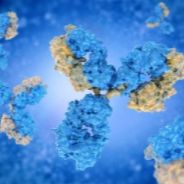
- ¥1280 - 1980
- YLKBIO
- YLK-KT2323D
- 国产
- 2025年07月16日
- 见产品详情
- 兔
- /

企业认证
相关产品推荐更多 >
万千商家帮你免费找货
0 人在求购买到急需产品
- 详细信息
- 文献和实验
- 技术资料
- 供应商:
优利科(上海)生命科学有限公司
- 库存:
100
- 靶点:
详询
- 级别:
科研
- 目录编号:
/
- 克隆性:
多克隆
- 抗原来源:
详见说明书
- 保质期:
1年
- 抗体英文名:
Anti-Integrin β1/CD29
- 抗体名:
Integrin β1/CD29抗体
- 标记物:
详询
- 宿主:
兔
- 适应物种:
/
- 免疫原:
见产品详情
- 亚型:
IgG
- 形态:
Lyophilized or Liquid
- 应用范围:
见产品详情
- 保存条件:
-20℃
- 浓度:
1mg/ml
- 规格:
详询

| 英文名称 Anti-Integrin β1/CD29 |
| 中文名称 整合素β1抗体 |
| 别 名 Integrin beta 1; beta 1 subunit; CD 29; CD29; CD29 antigen; Fibrinogen Receptor beta subunit; FNRB; GPIIA; integrin beta 1 (fibronectin receptor beta polypeptide antigen CD29 includes MDF2 MSK12); Integrin VLA 4 subunit beta; ITGB; ITGB1; MDF2; MSK12; Very Late Activation Protein beta Polypeptide; VLAB; VLAbeta. |
| 浓 度 1mg/1ml |
| 规 格 0.1ml/100μg 0.2ml/200μg |
| 抗体来源 Rabbit |
| 克隆类型 polyclonal |
| 交叉反应 Human, Mouse, Rat, Chicken, Dog, Pig, Cow, Horse, Rabbit, Sheep |
| 产品类型 一抗 |
研究领域 细胞生物 免疫学 细胞粘附分子 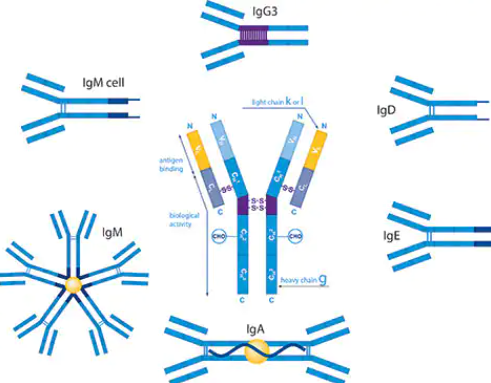 |
| 蛋白分子量 predicted molecular weight: 88kDa |
| 性 状 Lyophilized or Liquid |
| 免 疫 原 KLH conjugated synthetic peptide derived from human Integrin beta 1(21-70aa) |
| 亚 型 IgG |
| 纯化方法 affinity purified by Protein A |
| 储 存 液 0.01M PBS, pH 7.4 with 10 mg/ml BSA and 0.1% Sodium azide |
| 产品应用 WB=1:100-500 ELISA=1:500-1000 IP=1:20-100 IHC-P=1:100-500 IHC-F=1:100-500 Flow-Cyt=1:100-500 IF=1:100-500 |
| (石蜡切片需做抗原修复) |
| not yet tested in other applications. |
| optimal dilutions/concentrations should be determined by the end user. |
| 保存条件 Store at -20 °C for one year. Avoid repeated freeze/thaw cycles. The lyophilized antibody is stable at room temperature for at least one month and for greater than a year when kept at -20°C. When reconstituted in sterile pH 7.4 0.01M PBS or diluent of antibody the antibody is stable for at least two weeks at 2-4 °C. |
| Important Note This product as supplied is intended for research use only, not for use in human, therapeutic or diagnostic applications. |
产品介绍 Integrins alpha-1/beta-1, alpha-2/beta-1, alpha-10/beta-1 and alpha-11/beta-1 are receptors for collagen. Integrins alpha-1/beta-1 and alpha-2/beta-2 recognize the proline-hydroxylated sequence G-F-P-G-E-R in collagen. Integrins alpha-2/beta-1, alpha-3/beta-1, alpha-4/beta-1, alpha-5/beta-1, alpha-8/beta-1, alpha-10/beta-1, alpha-11/beta-1 and alpha-V/beta-1 are receptors for fibronectin. Alpha-4/beta-1 recognizes one or more domains within the alternatively spliced CS-1 and CS-5 regions of fibronectin. Integrin alpha-5/beta-1 is a receptor for fibrinogen. Integrin alpha-1/beta-1, alpha-2/beta-1, alpha-6/beta-1 and alpha-7/beta-1 are receptors for lamimin. Integrin alpha-4/beta-1 is a receptor for VCAM1. It recognizes the sequence Q-I-D-S in VCAM1. Integrin alpha-9/beta-1 is a receptor for VCAM1, cytotactin and osteopontin. It recognizes the sequence A-E-I-D-G-I-E-L in cytotactin. Integrin alpha-3/beta-1 is a receptor for epiligrin, thrombospondin and CSPG4. Alpha-3/beta-1 may mediate with LGALS3 the stimulation by CSPG4 of endothelial cells migration. Integrin alpha-V/beta-1 is a receptor for vitronectin. Beta-1 integrins recognize the sequence R-G-D in a wide array of ligands. Isoform beta-1B interferes with isoform beta-1A resulting in a dominant negative effect on cell adhesion and migration (in vitro). In case of HIV-1 infection, the interaction with extracellular viral Tat protein seems to enhance angiogenesis in Kaposi's sarcoma lesions. 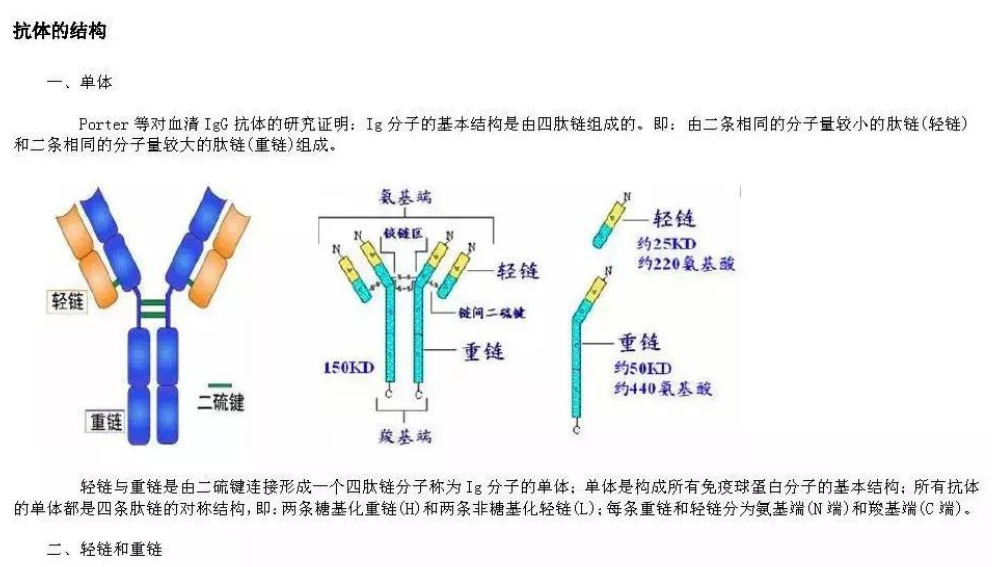 |
| Function : Integrins alpha-1/beta-1, alpha-2/beta-1, alpha-10/beta-1 and alpha-11/beta-1 are receptors for collagen. Integrins alpha-1/beta-1 and alpha-2/beta-2 recognize the proline-hydroxylated sequence G-F-P-G-E-R in collagen. Integrins alpha-2/beta-1, alpha-3/beta-1, alpha-4/beta-1, alpha-5/beta-1, alpha-8/beta-1, alpha-10/beta-1, alpha-11/beta-1 and alpha-V/beta-1 are receptors for fibronectin. Alpha-4/beta-1 recognizes one or more domains within the alternatively spliced CS-1 and CS-5 regions of fibronectin. Integrin alpha-5/beta-1 is a receptor for fibrinogen. Integrin alpha-1/beta-1, alpha-2/beta-1, alpha-6/beta-1 and alpha-7/beta-1 are receptors for lamimin. Integrin alpha-4/beta-1 is a receptor for VCAM1. It recognizes the sequence Q-I-D-S in VCAM1. Integrin alpha-9/beta-1 is a receptor for VCAM1, cytotactin and osteopontin. It recognizes the sequence A-E-I-D-G-I-E-L in cytotactin. Integrin alpha-3/beta-1 is a receptor for epiligrin, thrombospondin and CSPG4. Alpha-3/beta-1 may mediate with LGALS3 the stimulation by CSPG4 of endothelial cells migration. Integrin alpha-V/beta-1 is a receptor for vitronectin. Beta-1 integrins recognize the sequence R-G-D in a wide array of ligands. Isoform beta-1B interferes with isoform beta-1A resulting in a dominant negative effect on cell adhesion and migration (in vitro). In case of HIV-1 infection, the interaction with extracellular viral Tat protein seems to enhance angiogenesis in Kaposi's sarcoma lesions. |
| Subunit : Heterodimer of an alpha and a beta subunit. Beta-1 associates with either alpha-1, alpha-2, alpha-3, alpha-4, alpha-5, alpha-6, alpha-7, alpha-8, alpha-9, alpha-10, alpha-11 or alpha-V. Binds LGALS3BP and ITGB1BP3, when associated with alpha-7, but not with alpha-5. Interacts with FLNA, FLNB and RANBP9. Isoform Beta-1D interacts with ACE2. Isoform Beta-1A interacts with the C-terminal region of FLNC. Interacts with KRT1 in the presence of GNB2L1 and SRC. Interacts with HIV-1 Tat. Binds to human echoviruses 1 and 8 capsid proteins and acts as a receptor for these viruses. Interacts with RAB21. Interacts (via the cytoplasmic region) with RAB25 (via the hypervariable C-terminal region). Interacts with FGR and HCK (By similarity). Interacts with MYO10. |
| Subcellular Location : Cell membrane; Single-pass type I membrane protein. Melanosome. Cleavage furrow. Note=Isoform beta-1B does not localize to focal adhesions. Highly enriched in stage I melanosomes. Located on plasma membrane of neuroblastoma NMB7 cells. In a lung cancer cell line, in prometaphase and metaphase, localizes diffusely at the membrane and in afew intracellular vesicles. In early telophase, detected mainly on the matrix-facing side of the cells. By mid-telophase, concentrated to the ingressing cleavage furrow, mainly to the basal side of the furrow. In late telophase, concentrated to the extending protrusions formed at the opposite ends of the spreading daughter cells, in vesicles at the base of the lamellipodia formed by the separating daughter cells. |
| Tissue Specificity : Isoform beta-1A is widely expressed, other isoforms are generally coexpressed with a more restricted distribution. Isoform beta-1B is expressed in skin, liver, skeletal muscle, cardiac muscle, placenta, umbilical vein endothelial cells, neuroblastoma cells, lymphoma cells, hepatoma cells and astrocytoma cells. Isoform beta-1C and isoform beta-1C-2 are expressed in muscle, kidney, liver, placenta, cervical epithelium, umbilical vein endothelial cells, fibroblast cells, embryonal kidney cells, platelets and several blood cell lines. Isoform beta-C-2, rather than isoform beta-1C, is selectively expressed in peripheral T-cells. Isoform beta-1C is expressed in non-proliferating and differentiated prostate gland epithelial cells and in platelets, on the surface of erythroleukemia cells and in various hematopoietic cell lines. Isoform beta-1D is expressed specifically in striated muscle (skeletal and cardiac muscle). |
| Post-translational modifications : The cysteine residues are involved in intrachain disulfide bonds. |
| Similarity : Belongs to the integrin beta chain family. |
Contains 1 VWFA domain. |
| HHV8/ORF50(Human herpesvirus 8 type P) 人类疱疹病毒8抗原 |
| HHV8/ORF K2(Human herpesvirus 8 type P) 人类疱疹病毒8抗原 |
| anti-HMGA1 (high mobility group AT-hook 1) 高迁移率族蛋白A1抗原 |
| HMGA2 (high mobility group A2) 高迁移率族蛋白A2抗原 |
| HO-1/HSP32 (Hemeo xygenase 1) 血红素氧合酶-1/热休克蛋白-32抗原 |
| YT-0662 BCRP/ABCG2(breast cancer resistance protein) 乳腺癌耐药相关蛋白(抗原) |
| HSP-90α(Heat Shock Protein 90α ) 热休克蛋白90α抗体 |
| IL-12(Interleukin-12) 白介素12抗原(白细胞介素-12) |
| IL-16/LCF(interleukin-16)(Lymphocyte Chemotactic Factor) 白细胞介素-16抗原 |
| IL-18/IGIF(Interleukin-18) 白细胞介素-18/干扰素γ诱导因子 |
风险提示:丁香通仅作为第三方平台,为商家信息发布提供平台空间。用户咨询产品时请注意保护个人信息及财产安全,合理判断,谨慎选购商品,商家和用户对交易行为负责。对于医疗器械类产品,请先查证核实企业经营资质和医疗器械产品注册证情况。
 文献和实验
文献和实验整合素家族迟现抗原组 ( β 1 组 ) β1(CD29)整合素亚单位可与CD49α~f(Mα1~α6)、CD51(αV)以及α7~α11分别组成VLAl~VLA6,αV61(VNR-191),α7α1、α8βl、α9β1和α11β1整合素分子。由于最早发现的~%A-1和VLA-2分子是在用同种异体抗原或外源凝集素活化淋巴细胞后数周才出现,因此习惯称为迟现抗原(verylateanngen,VLA)。CD29表达十分广泛,包括所有的白细胞。CD29在记忆T细胞上的表达水平高于
整合素家族的种类 按黏附分子的结构特点分为以下几类:整合素家族;免疫球蛋白超家族;选择素家族;钙黏蛋白家族,又称cadherin家族;黏蛋白样血管地址素。此外还有一些尚未归类的黏附分子。 许多黏附分子具有与免疫球蛋白超家族(1gSF)V样、C1或髋样区相似的折叠结构,其氨基酸组成也有一定的同源性。有关CD2、CD4、CD8、CD22、CD28和CD58等分子的结构和功能参见本章第二节,本节将简要介绍与整合素家族结合的ICAM、VCAM-1、MAdCAM-1以及同型黏附
Cancer Cell:整合素 αvβ6-TGFβ-SOX4 途径驱动三阴性乳腺癌的免疫逃逸
. Wucherpfennig 教授在 Cancer Cell 上在线发表了题为 Integrin αvβ6–TGFβ–SOX4 Pathway Drives Immune Evasion in Triple-Negative Breast Cancer 的研究成果。 图片来源:Cancer Cell该研究发现,整合素 αvβ6–TGFβ–SOX4 途径驱动三阴性乳腺癌的免疫逃逸,在 TNBC 的耐药机制方面发挥着重要的作用。TNBC 细胞对细胞毒性 T 细胞的耐受性由哪些基因调控呢?研究团队采用 CRISPR/ Cas